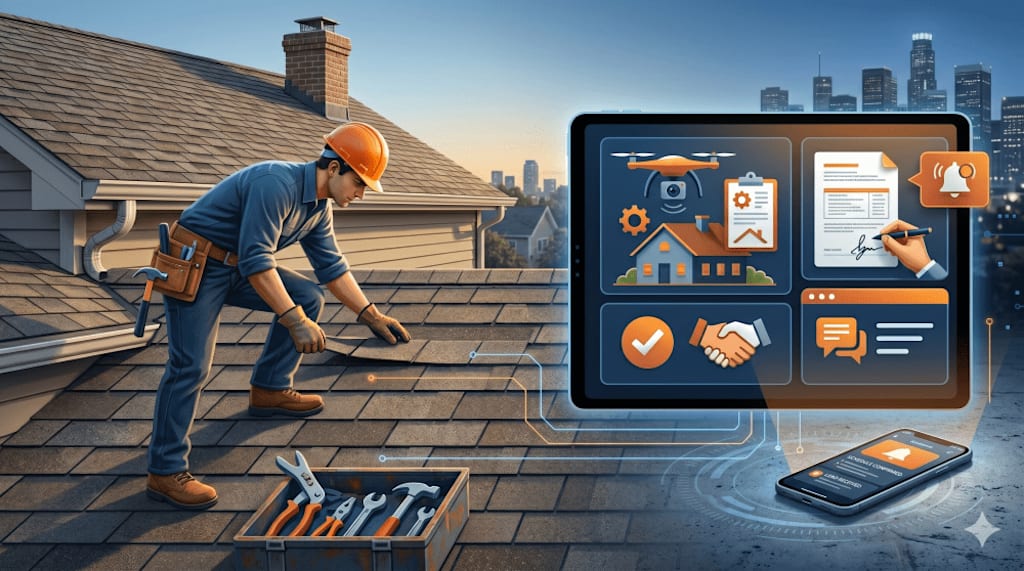
The term AI Lead Roofing 2026 describes the application of artificial intelligence in lead roofing and leadwork planning, design, inspection, installation, maintenance, and administration. AI can assist experts in assessing roof conditions, estimating materials, spotting flaws, and enhancing project planning rather than taking the role of qualified roofers.
AI Lead Roofing: What Is It?
AI Lead Roofing integrates AI-powered technologies with conventional lead roofing methods. For roofing elements like flashing, valleys, dormers, gutters, joints, and weatherproofing around chimneys and other roof penetrations, lead is frequently utilized. By evaluating photos, measurements, drawings, and project data, AI can assist with these tasks by spotting possible issues and suggesting suitable procedures.
How Lead Roofing Uses AI
1. Examining the roof
AI-based image analysis can assist in locating obvious problems like:
Splits and cracks
Broken seams
Deterioration or corrosion
Inadequately constructed joints
Points of water entry
Flashing damage
Deformation of the surface
A professional should still do a physical inspection to confirm AI findings.
2. Measurement of the roof
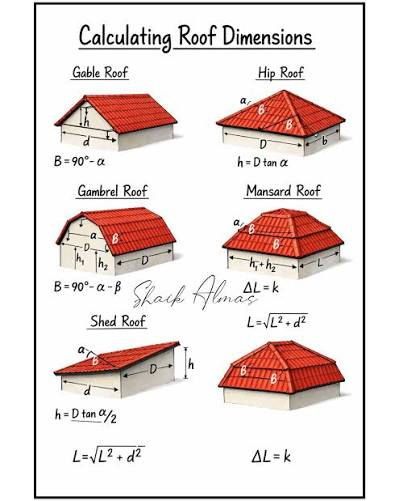
Photographs, drone images, or digital models can be processed by AI-assisted surveying to help estimate:
Dimensions of the roof
Areas on the roof
Flashing durations
Quantities of materials
Roof feature locations
Manual measurement errors during the planning phase may be decreased as a result.
3. Planning and Design
AI can assist in comparing various design strategies and producing initial roofing layouts. This can be helpful for leadwork when designing intricate spaces near windows, chimneys, valleys, and intersections.
4. Estimating Materials
AI software can estimate the amount of lead sheet and related materials needed by analyzing project measurements. Budgeting may be improved and needless waste may be decreased with more precise projections.
5. Predictive Upkeep
AI can look for trends in inspection records over time that might point to worsening conditions. This enables roofers to give maintenance and inspections top priority before small flaws grow into bigger issues.
AI Lead Roofing’s Advantages and Disadvantages in 2026
Advantages
Improved inspection: AI can draw attention to flaws in photos that could otherwise go unnoticed.
Faster planning: Automated analysis and digital measurements can cut down on preparation time.
Better estimates: More precise labor and material estimations can be supported by AI-assisted computations.
Decreased waste: Reducing needless offcuts and extra ordering can be achieved through improved material planning.
Preventive maintenance: Data from previous inspections can be used to pinpoint roofs that require more care.
Improved documentation: Digital organization of photos, measurements, reports, and inspection results is possible for later use.
Disadvantages
Inaccurate lead targeting: AI may misread customer information, roof conditions, or property photos, resulting in leads that aren’t truly qualified prospects.
High installation costs: AI can be costly, especially for smaller roofing businesses, due to software subscriptions, integrations, training, and continuing maintenance.
Reduced human interaction: Automated communications may come across as impersonal. Customers in the roofing industry who are struggling with storm damage could choose an informed salesperson who can relate to their worries.
Over-reliance on automation: Human verification is still necessary for estimations or lead assessments produced by AI. For critical inspections, safety judgments, or final job scopes, roofers shouldn’t rely solely on AI.
Privacy and data risks: AI roofing systems may use third-party cloud platforms to handle price data, drone video, property photos, and client information, raising possible data protection issues.
False positives and missed opportunities: When image quality, illumination, weather, or roof shape change, computer vision and predictive algorithms may generate both false alarms and missed detections.
Workforce resistance: Training and employee acceptance are crucial during implementation since workers may be concerned that automation would replace some aspects of their jobs.
AI Lead Roofing’s Drawbacks
AI has significant limits as well. Hidden moisture, structural issues, hidden flaws, and the actual state of a roof beneath its surface might not be seen in a photograph. Recommendations produced by AI may also be inaccurate or lacking.
AI should therefore be viewed as a supporting technology rather than a substitute for a licensed roofing specialist.
AI-Powered Roofing and Its Prospects
Combining AI inspection, digital surveying, 3D modeling, drone footage, and conventional roofing knowledge is probably going to present the biggest opportunity in 2026. Future solutions might make it simpler to compare inspection photos over time, provide maintenance reports automatically, and enhance project estimates.
Concluding
AI Lead Roofing 2026 combines cutting-edge technology with time-honored craftsmanship. While skilled roofers are still necessary for practical evaluation, workmanship, safety, and final judgments, AI can increase the efficiency of lead-roofing projects through improved inspection, measuring, planning, and maintenance.