







Introduction
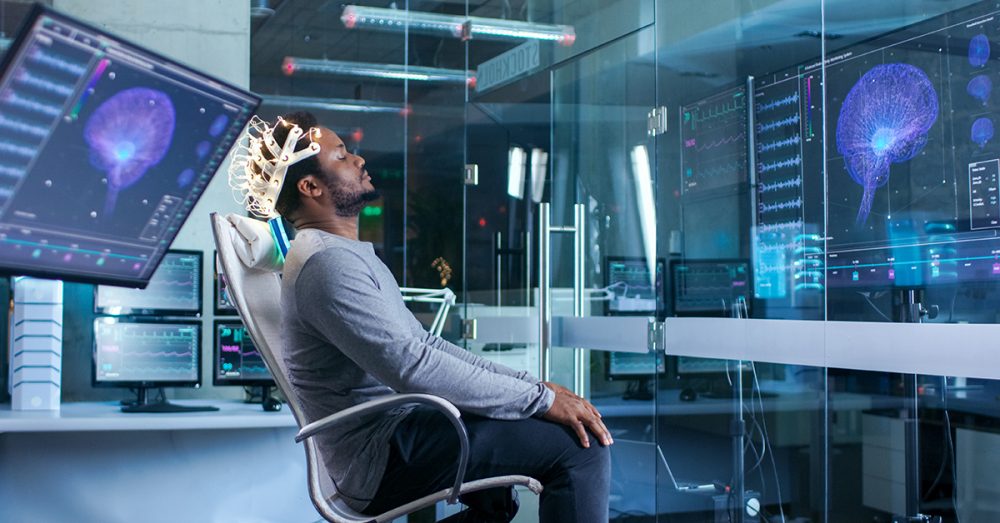
AI Brain Machine Interface (BMI) technology is becoming one of the most exciting areas of modern technology. A brain machine interface creates a communication pathway between the brain and an external device, allowing neural signals to control computers, robotic systems, prosthetic limbs, or other technologies. When combined with artificial intelligence, BMI systems can interpret complex neural signals more efficiently and turn them into useful commands. In 2026, advances in AI, neuroscience, sensors, and neural engineering are helping researchers explore more accurate and practical brain-computer communication.
What Is an AI Brain Machine Interface?
An AI Brain Machine Interface combines neural-interface technology with machine-learning algorithms.
The basic process is:
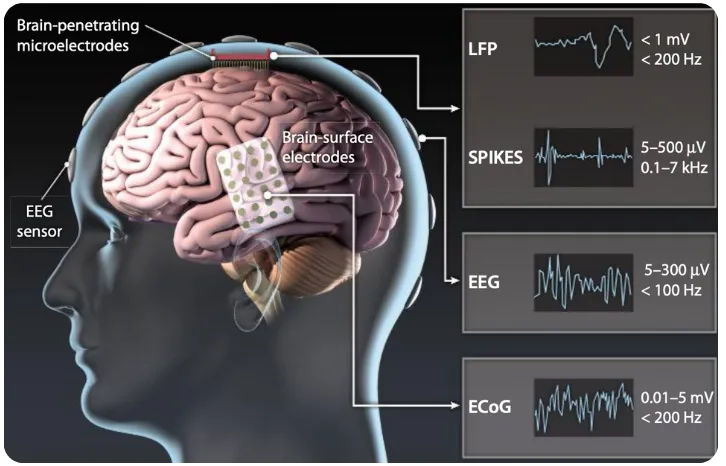
Brain signals → Neural sensors → AI processing → Computer interpretation → Device response
For example, a person could imagine moving a hand while sensors detect related brain activity. AI algorithms can analyze those signals and translate them into a command that moves a digital cursor or robotic device.
How AI Improves Brain Machine Interfaces
Traditional BMI systems can struggle because brain signals are complex and can vary between people and even from one moment to another. AI can help identify patterns in this neural data.
Key AI capabilities include:
- Signal interpretation: Machine-learning models can identify meaningful patterns in neural activity.
- Pattern recognition: AI can distinguish different intended movements or commands.
- Personalization: Systems can adapt to an individual user’s neural signals.
- Noise reduction: AI can help separate useful signals from unwanted neural or electrical noise.
- Real-time processing: Advanced models can increasingly process neural information rapidly enough for interactive applications.
- Continuous learning: Some systems can adapt as neural signals change over time.
Major Applications in 2026
1. Assistive Technology
One of the most important applications is helping people with paralysis or severe motor impairments interact with digital devices.
- Computer cursors
- Communication software
- Smart-home systems
- Wheelchairs
- Robotic arms
- Assistive devices
2. Communication
AI-powered BMIs could provide new communication pathways for people who cannot easily speak or use conventional input devices. Neural activity can potentially be interpreted into intended letters, words, or commands, although performance varies considerably between experimental systems.
3. Robotic Prosthetics
AI can help connect neural signals with robotic prosthetic systems. The goal is to make artificial limbs more responsive and intuitive. Future systems may combine brain signals with other information, such as sensors in the prosthetic, to improve movement control.
4. Healthcare and Rehabilitation
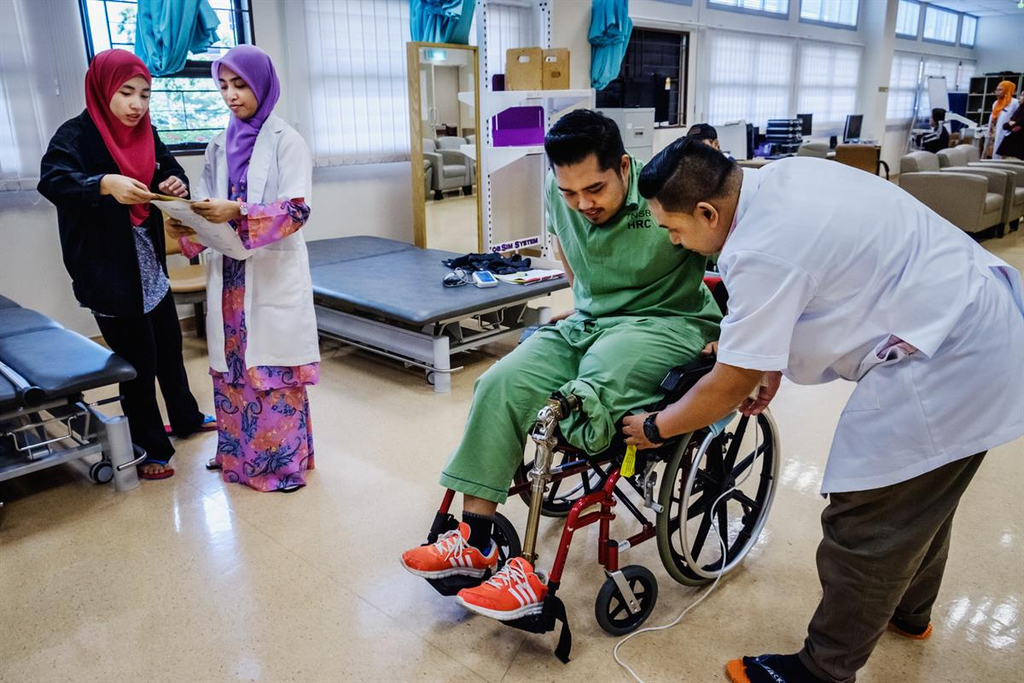
BMI technology is being investigated for rehabilitation following neurological injuries and for helping restore certain lost functions. AI can analyze neural patterns and potentially provide feedback during rehabilitation exercises.
5. Human-Computer Interaction
Beyond healthcare, brain interfaces could eventually offer new ways to interact with computers without keyboards, mice, or touchscreens. This could lead to applications involving hands-free control, immersive computing, accessibility, and specialized professional environments.
Advantages of AI Brain Machine Interfaces
Faster Interaction
AI can rapidly analyze large quantities of neural data and identify useful patterns.
Personalized Control
Machine-learning systems can potentially adapt to the unique neural activity of each user.
Improved Accessibility
BMI technology could provide alternative methods of communication and device control for people with disabilities.
Hands-Free Computing
Brain-controlled interfaces could enable interaction without physical input devices.
Potential Medical Benefits
The technology could contribute to future approaches for restoring communication, movement, or other neurological functions.
Challenges and Disadvantages
Accuracy
Brain signals are complicated, and accurately interpreting a person’s intentions remains a major technical challenge.
Invasive Procedures
Some BMI technologies require implanted devices or surgical procedures, creating additional medical risks and challenges.
Privacy
Neural data is highly sensitive. Protecting brain-related information will be an important ethical and cybersecurity issue.
Cost
Advanced neural-interface hardware, medical procedures, and specialized software can be expensive.
Long-Term Reliability
Researchers must determine how well some implanted or wearable systems perform over extended periods.
Ethical Concerns
As technology becomes more capable, society will need to consider questions involving mental privacy, consent, ownership of neural data, and human autonomy.
AI and the Future of Brain Machine Interfaces
The future of BMI technology is likely to involve closer integration between neuroscience, artificial intelligence, robotics, and wearable technology. AI could make interfaces more adaptive by continuously learning how a person’s brain signals correspond to intended actions. Improvements in sensors and neural decoding could also make systems more accurate and easier to use.
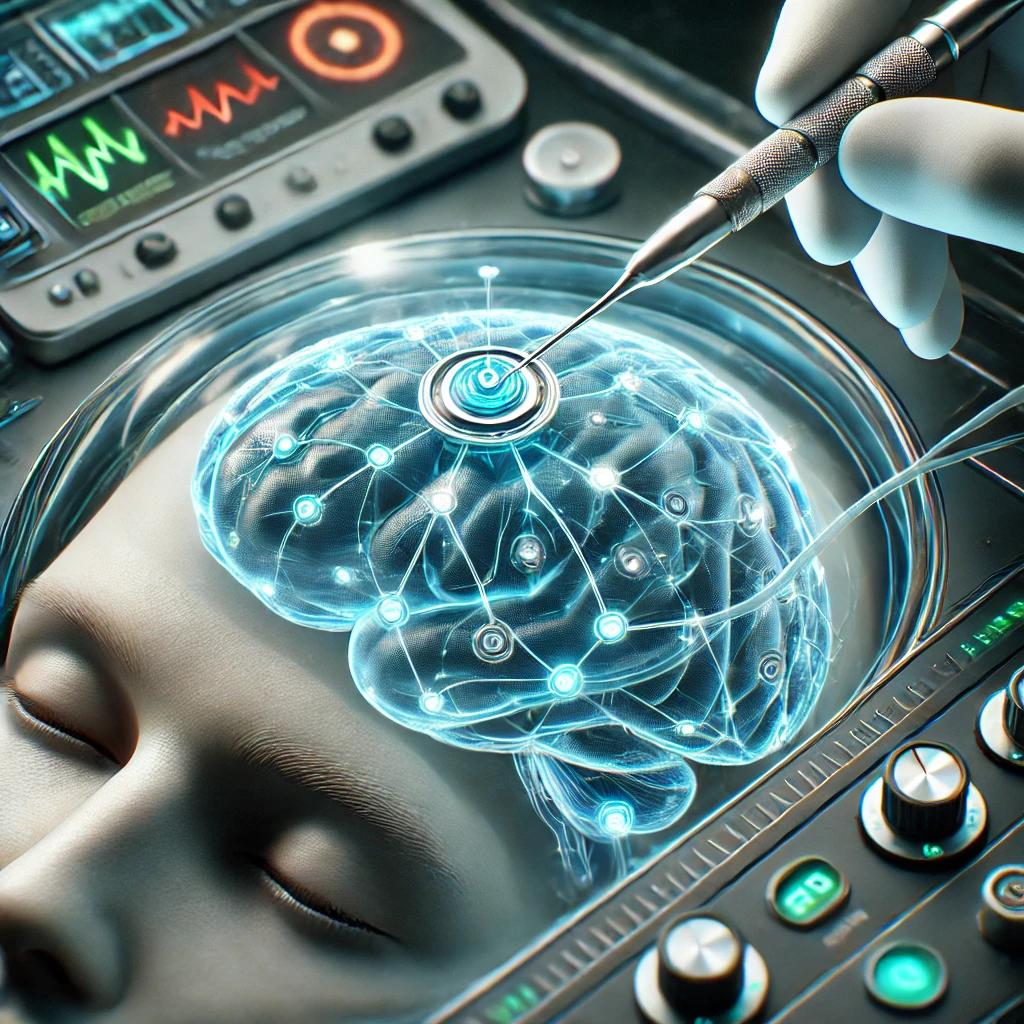
However, the future should not be viewed as purely about “reading minds.” Current BMI systems generally focus on specific, measurable neural signals associated with particular tasks rather than unrestricted access to a person’s thoughts.
Brain Machine Interface vs. Traditional Interfaces
| Feature | Traditional Interface | AI Brain-Machine Interface |
| Input | Keyboard, mouse, touchscreen | Neural activity |
| Physical movement | Usually required | Can potentially be reduced |
| AI involvement | Optional | Central to signal interpretation |
| Personalization | Moderate | Potentially high |
| Accessibility | Can be limiting for some users | Could provide alternative control |
| Technology maturity | Highly mature | Developing |
What to Expect in 2026
In 2026, the most important progress is likely to come from better neural signal decoding, improved AI models, more sophisticated sensors, and practical medical applications. The technology is still developing, so widespread consumer adoption should not be assumed. Much of the most advanced work remains in research and clinical-development environments.
Conclusion
AI Brain Machine Interface technology represents an important frontier between humans and computers. By using artificial intelligence to interpret neural signals, researchers are working toward more responsive communication systems, assistive technologies, robotic control, and new forms of human-computer interaction. In 2026, the field remains promising but faces significant challenges involving accuracy, safety, affordability, privacy, and ethics. If these challenges can be addressed, AI-powered brain-machine interfaces could become an important part of the future of accessible computing and neurotechnology.