Introduction
Chemical peels in Phoenix are skin-resurfacing treatments designed to improve the appearance and texture of the skin. A chemical solution is applied to the skin to remove targeted layers, allowing newer skin to emerge. Depending on the depth and formulation, chemical peels may address fine lines, acne, uneven pigmentation, sun damage, and certain scars.
Because Phoenix has intense sun exposure for much of the year, proper skin evaluation and post-treatment sun protection are particularly important when considering a peel.
What Is a Chemical Peel?
A chemical peel uses a controlled chemical exfoliation process to remove damaged or unwanted layers of skin. The treatment can be performed at different depths:
- Light/superficial peel
- Medium peel
- Deep peel
The appropriate depth depends on the person’s skin, concerns, treatment goals, and risk factors.
Benefits of Chemical Peels
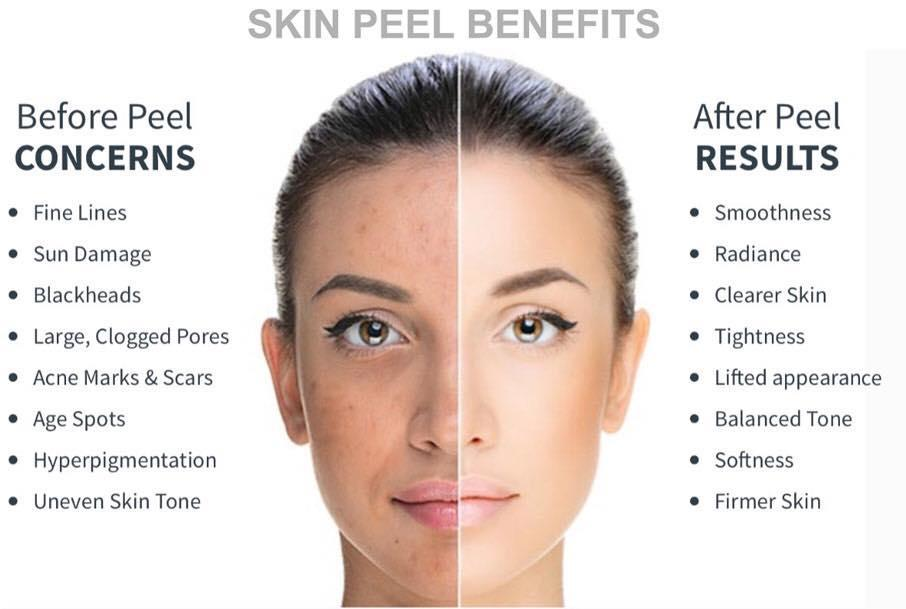
1. Smoother Skin
Chemical peels can improve rough or uneven skin texture by removing damaged surface cells.
2. Brighter-Looking Complexion
Superficial exfoliation can help produce a fresher and more even-looking complexion.
3. Fine Lines
Certain light and medium peels can improve the appearance of fine lines and some signs of sun-related aging.
4. Acne and Blemishes
Some chemical peels can be incorporated into treatment plans for acne and superficial blemishes.
5. Uneven Pigmentation
Peels may help improve some sun spots, age spots, freckles, and uneven pigmentation.
Types of Chemical Peels
Light Chemical Peels
Light peels affect the outermost layer of skin and are commonly used for mild concerns such as:
- Dryness
- Dull complexion
- Mild acne
- Fine lines
- Uneven skin tone
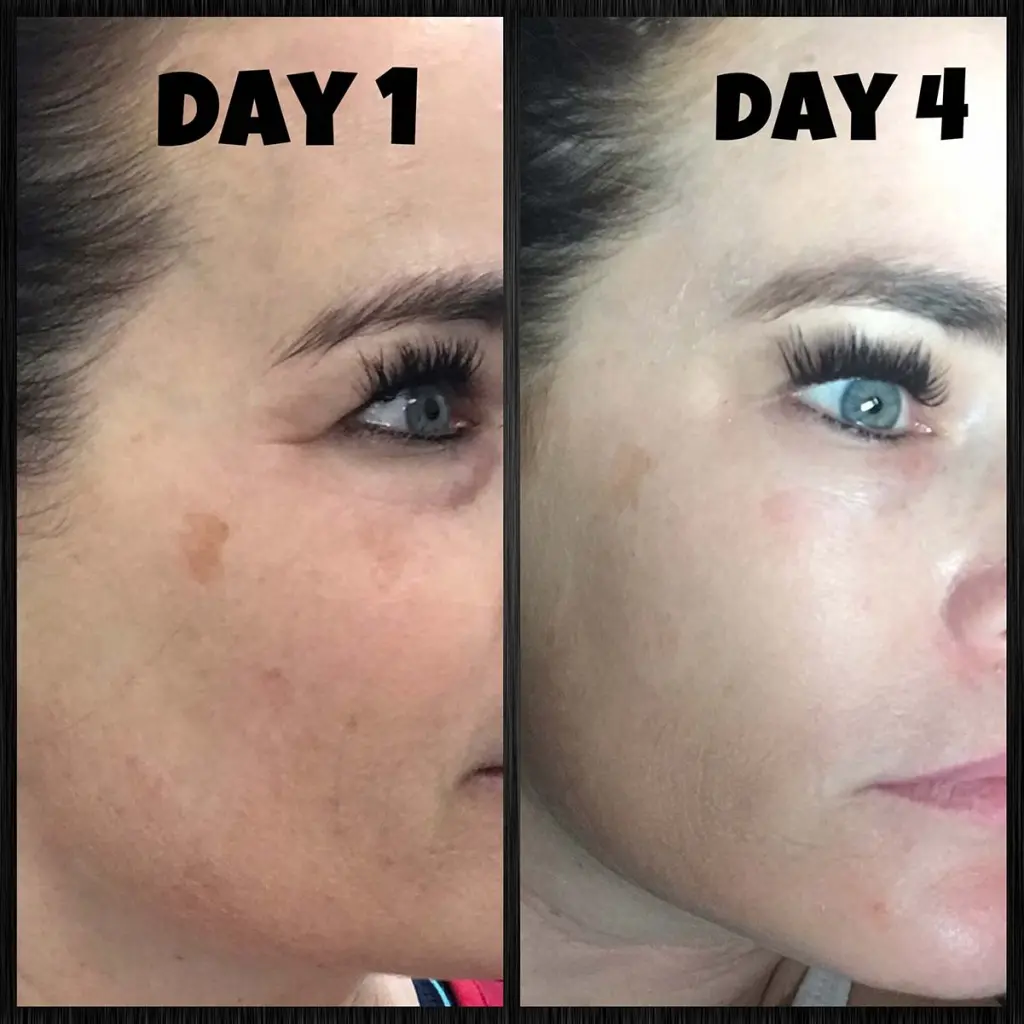
Recovery is generally shorter than with deeper treatments. Cleveland Clinic notes that redness and scaling after a light peel can last around three to seven days.
Medium Chemical Peels
Medium peels penetrate farther into the skin and may be used for:
- Moderate pigmentation
- Fine-to-moderate wrinkles
- Certain acne scars
- Sun-related skin changes
They generally involve more noticeable redness, swelling, peeling, and downtime than superficial peels.
Deep Chemical Peels
Deep peels reach deeper skin layers and can produce more dramatic results, but they also carry greater risks and require substantially more recovery. They may be considered for selected deeper wrinkles, scars, extensive sun damage, or certain precancerous skin changes.
What to Expect During Treatment
A typical professional chemical peel involves several stages:
- Skin evaluation — The provider assesses your skin and treatment goals.
- Cleansing — Oils and impurities are removed.
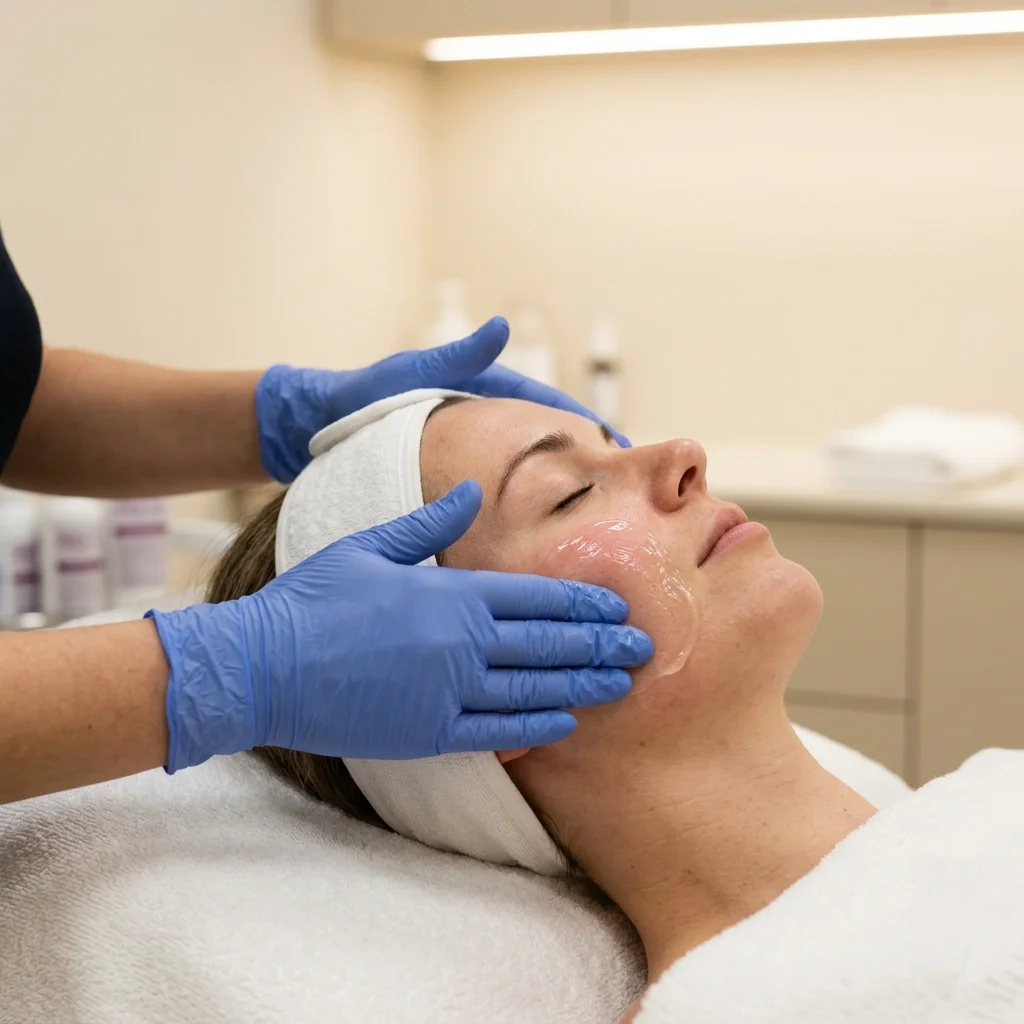
- Solution application — The selected chemical is applied to the treatment area.
- Sensation — You may experience warmth, tingling, or stinging.
- Removal or neutralization — This depends on the specific peel.
- Aftercare — Your provider gives instructions for protecting and caring for the treated skin.
The exact process varies according to the peel and its depth.
Recovery depends on the strength of the peel.
Light peel: redness, dryness, and scaling may occur for several days.
Medium peel: swelling, redness, crusting, and peeling can last roughly one to two weeks.
Deep peel: recovery is considerably longer and requires careful medical supervision.
Do not pick, scratch, or forcibly remove peeling skin. Follow your provider’s specific instructions instead.
Chemical Peels and Phoenix’s Climate
Phoenix’s sunny environment makes sun protection an especially important part of post-peel care. Cleveland Clinic recommends avoiding tanning and direct sun exposure before treatment, while sunscreen is important after the skin has healed.
After a peel, your provider may recommend:
- Broad-spectrum sunscreen
- Protective clothing
- Avoiding prolonged direct sunlight
- Gentle cleansing
- Moisturizing
- Temporarily avoiding irritating skincare products
Your provider’s instructions should take priority because aftercare varies by peel depth.
Who May Be a Candidate?
A chemical peel may be considered for people seeking improvement in:
- Uneven skin tone
- Sun-related skin changes
- Fine lines
- Mild acne
- Rough texture
- Certain scars
- Certain pigmentation problems
However, chemical peels are not suitable for everyone. A medical professional should review your skin, medications, medical history, previous treatments, and tendency toward scarring or pigmentation changes before treatment.
Risks and Side Effects
Possible side effects include:
- Redness
- Dryness
- Peeling
- Swelling
- Burning or stinging
- Temporary pigmentation changes
- Infection
- Scarring
Mayo Clinic notes that pigmentation changes can sometimes be permanent and that complications are more likely when a peel is improperly performed.
Chemical Peels: Advantages
- Can improve skin texture
- May brighten dull-looking skin
- Can address certain pigmentation problems
- May improve some acne concerns
- Can reduce the appearance of some fine lines
- Different strengths allow treatments to be customized
- Some superficial peels have relatively short recovery periods
Chemical Peels: Disadvantages
- Temporary redness and peeling
- Possible downtime
- Multiple treatments may be necessary
- Pigmentation changes can occur
- Results vary between individuals
- Deeper peels have greater risks
- Sun protection is essential
- Not effective for every type of scar or wrinkle
How to Choose a Provider in Phoenix
When researching chemical peels in Phoenix, look for an appropriately qualified medical professional with experience performing the specific type of peel you’re considering.
For example
- Phoenix Skin Medical Surgical Group
- Camelback Dermatology & Skin Surgery
These are examples of Phoenix-area providers to research, not endorsements or recommendations.
Questions to Ask Before a Peel
Before scheduling treatment, consider asking:
- Which peel is appropriate for my skin?
- What results can I realistically expect?
- How much downtime should I plan for?
- What are the risks for my skin type?
- How should I prepare beforehand?
- Which skincare products should I stop using?
- How should I care for my skin afterward?
- Will I need multiple treatments?
- Who will perform the procedure?
- What symptoms should prompt me to contact the provider?
Chemical Peels vs. Other Treatments
Chemical peels are only one option for skin resurfacing. Depending on your concerns, a provider may discuss alternatives such as:
- Microneedling
- Laser resurfacing
- Prescription skincare
- Other exfoliating treatments
- Fillers or surgical procedures for selected concerns
Chemical peels generally work best for certain surface-level concerns. They cannot remove deep scars, eliminate deep wrinkles, or tighten significantly sagging skin.
Final Thoughts
Chemical Peels in Phoenix Skin Renewal 2026 is a useful topic for anyone exploring professional skin resurfacing. Chemical peels can improve texture, tone, pigmentation, acne-related concerns, and certain signs of aging, but the best treatment depends on individual skin characteristics and goals. The key is to choose the appropriate peel depth, understand the recovery process, protect your skin from the sun, and work with a qualified professional. A personalized consultation is the safest way to determine whether a chemical peel is appropriate for you.