











well-being. In today’s fast-paced world, maintaining good health has become more important than ever. Modern lifestyles are often characterized by long working hours, sedentary habits, irregular routines, and increasing levels of stress. As a result, more people are recognizing the importance of taking a balanced approach to both physical and mental well-being.
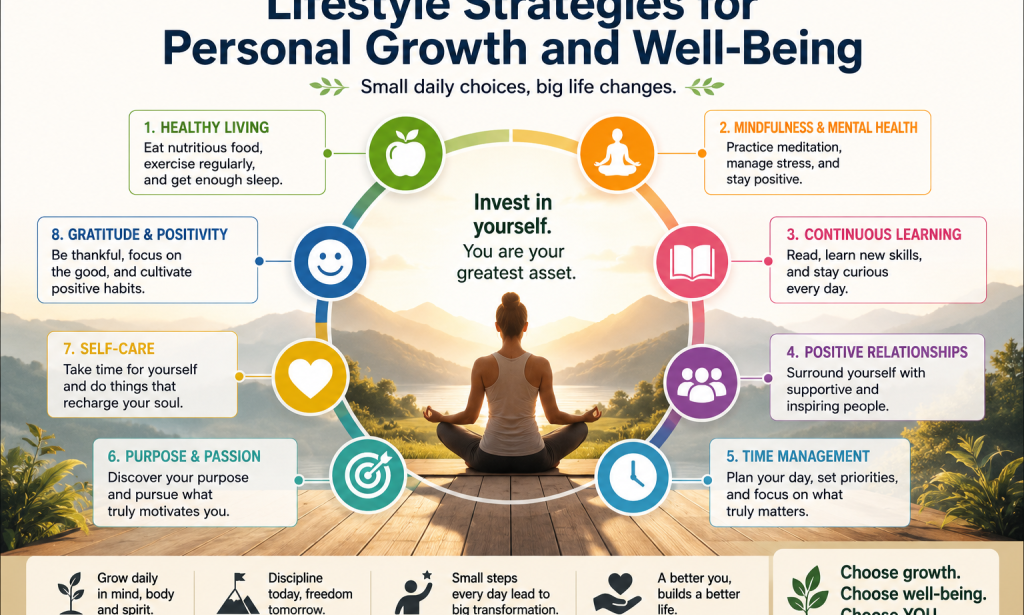
A healthy lifestyle isn’t built overnight. Instead, it develops through consistent daily habits that support the body and mind. Simple yet meaningful changes—such as eating a balanced diet, staying physically active, managing stress effectively, and getting enough quality sleep—can have a lasting positive impact on overall health and well-being.
Our understanding of health continues to evolve through ongoing scientific study and innovation. Insights from Modern Health Research have expanded our knowledge of how everyday lifestyle choices influence long-term physical and mental health. By applying this evidence-based understanding, individuals can make more informed decisions and build sustainable habits that promote lifelong well-being.
1. Daily Habits and Their Long-Term Impact on Health
Daily habits play a vital role in shaping long-term health and well-being. The choices we make consistently each day often have a greater impact than occasional bursts of healthy behavior. Establishing positive routines helps support physical fitness, mental clarity, and emotional resilience over time.
Simple habits—such as staying physically active, eating a balanced diet, drinking enough water, and getting sufficient quality sleep—can make a meaningful difference to overall health. In contrast, irregular routines, poor nutrition, and neglecting self-care can gradually reduce energy levels and affect both physical and mental well-being.
Consistency is the foundation of a healthy lifestyle. Rather than relying on short-term or extreme changes, focusing on small, sustainable improvements is far more effective for achieving lasting health benefits.
2. Nutrition and Physical Well-Being
Nutrition is one of the most important foundations of a healthy lifestyle. The body depends on essential nutrients to function effectively, maintain energy levels, support the immune system, and promote overall well-being.
A balanced diet that includes fresh fruits, vegetables, whole grains, and healthy sources of protein helps support physical strength, concentration, and mental performance. Staying properly hydrated is equally important, as water plays a key role in digestion, circulation, and many essential body processes.
Alongside good nutrition, regular physical activity is another crucial part of maintaining a healthy lifestyle. Consistent movement supports cardiovascular health, builds muscle strength, improves flexibility, and helps manage stress. By combining nutritious eating habits with regular exercise, individuals can create a stronger foundation for both physical and mental well-being.
3. Mental Health and Emotional Balance
Emotional balance affects how individuals think, make decisions, handle challenges, and respond to everyday situations.
Managing stress effectively is an important part of maintaining good mental health. Practices such as relaxation techniques, mindfulness, meaningful social connections, and getting enough rest can help support emotional stability and improve overall quality of life.
A truly balanced lifestyle focuses on more than physical health alone. Modern healthcare and wellness practices continue to advance through research-based development. This approach focuses on applying scientific studies, research findings, and data-driven insights to improve health strategies, preventive measures, and lifestyle recommendations.
Research-based development helps identify effective approaches for disease prevention, wellness improvement, and long-term health management. By relying on evidence rather than assumptions, it allows health guidance to become more accurate, practical, and reliable.
This ongoing process of research, evaluation, and improvement enables healthcare systems to adapt to new discoveries and provide better support for individuals working towards improved health outcomes.

5. Preventive Health and Lifestyle Awareness
Preventive health focuses on protecting and maintaining well-being before health concerns develop. It encourages individuals to build healthier habits, monitor their overall condition, and take proactive steps toward better long-term health.
Regular physical activity, balanced nutrition, effective stress management, and routine health awareness all play important roles in preventive care. By focusing on prevention rather than only responding to problems, individuals can reduce potential health risks and support lasting wellness.
6. Building a Sustainable Healthy Lifestyle
A sustainable lifestyle is one that can be maintained over the long term without creating unnecessary stress or leading to burnout. It is not about achieving perfection but about making consistent progress through realistic and manageable choices.
Small improvements in daily habits are often more effective than dramatic, short-term changes. When maintained over time, these simple steps can create meaningful improvements in overall health and well-being.
True sustainability in health comes from building routines that naturally fit into everyday life. By creating balanced habits that support both physical and mental health, individuals can maintain long-term well-being in a way that feels achievable and rewarding.
Conclusion
A healthy and balanced lifestyle is essential for achieving long-term well-being in today’s modern world. It is developed through consistent habits, informed choices, and a commitment to taking care of both the body and mind.
By applying insights from modern health research and the principles of research-based development, individuals can gain a better understanding of how lifestyle choices influence health and discover practical, sustainable ways to improve their overall well-being.
Ultimately, good health is not a final destination but an ongoing journey. Through awareness, balance, and consistency, individuals can create a stronger foundation for lifelong wellness and enjoy a better quality of life.