








Having new and relevant skills is an important factor for success in today’s business environment. Skill building allows individuals to adapt to technological advancements, changing industry requirements, and emerging challenges. However, skill development is not only about acquiring new abilities; it also involves continuously improving existing skills through consistent learning, practice, and professional growth. By embracing lifelong learning, individuals and organizations can remain competitive, flexible, and prepared for future opportunities.
1. What is skill building?
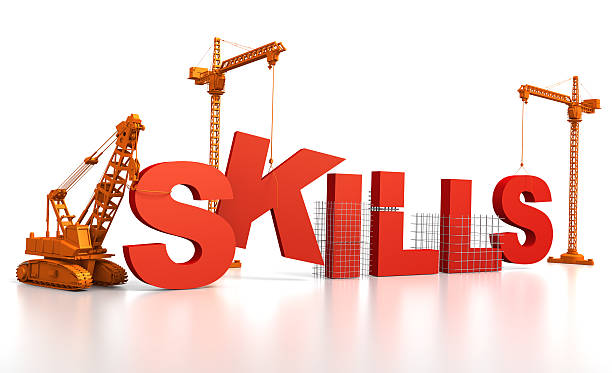
Skill building is a continuous process of learning, improving, and mastering new abilities to support personal and professional growth. It involves identifying areas for improvement, engaging in learning opportunities, and applying newly acquired knowledge in real-world situations. This process can include formal training, hands-on experience, self-directed learning, and mentoring.
Skill building extends beyond technical abilities and also includes essential soft skills such as communication, leadership, teamwork, and problem-solving. Whether through daily learning habits or structured development programs, skill building helps individuals remain competitive, adaptable, and prepared for changing career demands. Organizations can also invest in skill development initiatives to upskill and reskill employees, enabling them to take on evolving roles and responsibilities while supporting long-term business success.
.
Upskilling
Upskilling focuses on improving and expanding existing skills to increase efficiency, expertise, and performance within a particular field. As industries continue to evolve, professionals must stay updated with emerging trends, tools, and technologies to remain competitive. For example, a marketing specialist may upskill by learning advanced data analytics techniques, while a software developer may enhance their expertise by taking courses in artificial intelligence. Regular practice, workshops, online courses, and hands-on learning opportunities allow individuals to continuously strengthen their abilities and stay ahead in their careers.
Reskilling
Reskilling, on the other hand, involves learning entirely new skills to transition into a different role or industry. As automation and digital transformation continue to reshape the workplace, many professionals are turning to reskilling to remain competitive and adapt to changing job requirements. For example, a retail employee may develop new skills to become an e-commerce manager, while a factory worker may retrain to pursue a career as a robotics technician. Reskilling enables individuals to explore new career opportunities and helps organizations build a workforce capable of adapting to future challenges.

2. Benefits of Skill Development
Skill development benefits both individuals and organizations by improving flexibility, creativity, and efficiency. Companies that prioritize skill development programs can build a more capable and adaptable workforce, better prepared to meet changing demands. At the same time, individuals who invest in continuous learning and personal growth can expand their knowledge, strengthen their abilities, and create new opportunities for career advancement. A strong focus on skill development ultimately supports long-term success for both employees and businesses.
1. Fostering DEI in the Workplace
Promoting diversity, equity, and inclusion (DEI) in the workplace is closely connected to effective skill development. By providing equal access to learning and growth opportunities for employees from all backgrounds, organizations can create a fairer environment where everyone has the chance to advance their careers.
Initiatives such as mentorship programs, leadership training, and specialized skill-building courses can help underrepresented groups develop the knowledge, confidence, and abilities needed to succeed. A strong commitment to DEI in professional development initiatives fosters a more inclusive workplace culture while encouraging diverse perspectives, collaboration, and innovation.
2. Lower Turnover Rates
One of the major reasons employees leave their jobs is the lack of opportunities for career growth and development. Organizations that invest in skill-building initiatives create a more engaged and satisfied workforce, which can help reduce employee turnover. When employees see a clear pathway for advancement and have access to opportunities for learning and improvement, they are more likely to remain committed to their organization. Additionally, businesses can use reskilling and upskilling programs to develop existing employees for new roles, reducing the need for external hiring while strengthening internal talent.
3. Ensure Succession Planning
Organizations that prioritize skill development are better equipped for effective succession planning and leadership development. By identifying high-potential employees and providing them with the necessary technical expertise and leadership skills, businesses can ensure a smooth transition when senior employees retire or move into new roles. Continuous skill development helps create a strong pipeline of future leaders who are prepared to take on critical responsibilities and support the organization’s long-term success.
4. Increase Employee Engagement
Employees who actively learn and develop new skills tend to be more engaged, motivated, and productive in their work. Skill-building activities provide a sense of purpose, accomplishment, and personal growth, which contributes to higher job satisfaction and improved performance. When organizations invest in employee development through training, mentoring, and learning opportunities, employees feel valued and supported. As a result, they are more likely to remain loyal to the organization, contribute positively to team success, and take on new challenges with confidence. Ultimately, continuous skill development benefits both employees and organizations by fostering a culture of learning, innovation, and long-term success.

3. Examples of Skills That Can Be Developed
Skill building is not limited to a specific industry or job role. Through consistent practice, structured learning, and real-world application, individuals can continuously develop a wide range of skills that enhance their personal and professional growth.
Technical skills such as programming, data analysis, digital marketing, and artificial intelligence (AI) are in high demand across many industries. As technology continues to evolve, these skills require regular training and continuous upskilling to remain relevant. At the same time, soft skills—including communication, teamwork, leadership, and emotional intelligence—are equally important. Employees with strong interpersonal skills build better workplace relationships, collaborate more effectively, and contribute to a positive work environment.
Problem-solving and critical thinking are essential in today’s fast-changing and complex workplaces. Professionals who can analyze situations, identify solutions, and make informed decisions are better equipped to overcome challenges and drive innovation. Similarly, time management and organizational skills improve productivity, efficiency, and the ability to meet deadlines. With remote work and digital collaboration becoming increasingly common, professionals who manage their time effectively are more likely to succeed.
Adaptability and learning agility are also critical for long-term career growth. As industries continue to change, the ability to learn new skills quickly and adjust to new technologies and work environments has become a valuable competitive advantage.
There are many ways to develop skills, including mentoring programs, online courses, on-the-job training, workshops, and formal education. In addition, daily learning habits—such as reading industry articles, completing short courses, practicing new techniques, or working on hands-on projects—help individuals continuously improve their knowledge and stay competitive in their careers.
4. The Role of Mentoring in Skill Building
Mentoring is one of the most effective ways to support skill development. Having an experienced mentor can help individuals learn faster by providing valuable advice, constructive feedback, and real-world insights. Through mentoring programs, learners gain a deeper understanding of their industry while developing both technical and soft skills.
Mentoring also promotes teamwork, collaboration, and leadership development in the workplace. Employees who participate in mentorship programs often feel more supported, motivated, and confident in their roles. In addition, they benefit from networking opportunities that can lead to career growth and advancement.
Beyond sharing knowledge, mentors help mentees overcome challenges, set professional goals, and build self-confidence. Regular discussions and guidance from a mentor can accelerate skill development and improve overall job performance. Organizations that encourage mentoring as part of their skill-building strategy foster a culture of continuous learning, professional development, and long-term success.