
Introduction
Screwless design is becoming an increasingly useful approach in modern product development, construction, electronics, and interior design. Instead of relying on traditional visible screws, screwless systems use alternative fastening methods such as clips, snap-fit connections, locking mechanisms, adhesives, or specialized mounting systems.
In 2026, screwless technology offers new possibilities for creating products that look cleaner, are easier to assemble, and provide practical solutions for different industries. From modern electrical switches and furniture to electronic devices and architectural finishes, screwless design combines functionality with a streamlined appearance.
What Is Screwless Design?
Screwless design refers to a product or assembly method that avoids conventional screws for some or all of its connections. Instead, components may be joined through integrated clips, interlocking parts, spring mechanisms, adhesives, or other fastening technologies. The main goal is to simplify assembly, reduce visible hardware, and create a cleaner finished product.
For example, a screwless electrical switch may feature a smooth front plate that clips onto a mounting frame. Similarly, screwless furniture may use interlocking joints to connect panels without requiring traditional screw fasteners.
However, screwless does not always mean completely hardware-free. Some products still use screws internally or in structural mounting points while keeping visible surfaces free from them.
7 Benefits of Screwless Smart Design in 2026

1. Clean and Modern Appearance
One of the biggest benefits of screwless design is its minimalist appearance. Removing visible screw heads creates smooth surfaces and a more refined finish. This is especially useful in modern homes, offices, commercial interiors, and consumer electronics, where appearance plays an important role.
Key advantage: Screwless products can complement contemporary interiors without distracting visible fasteners.
2. Faster and Easier Assembly
Some screwless systems allow components to snap or clip into place without the need for screwdrivers or other fastening tools. This can simplify installation, reduce assembly steps, and improve productivity in suitable applications.
3. Improved User Convenience
Screwless products can make everyday installation and maintenance more convenient when they are designed for easy access.
For example, removable decorative covers may allow users to clean or replace a component without removing multiple screws.
However, electrical and structural components should only be opened or serviced according to the manufacturer’s instructions. Convenience must never replace safety requirements.
4. Potential Cost Savings
Screwless design may reduce the number of fasteners, tools, and assembly operations needed for certain products. These changes can help lower manufacturing or installation costs, particularly in high-volume production.
5. Consistent Product Finishing
Traditional screws can become uneven, visible, or misaligned if installed incorrectly. Properly engineered screwless systems can create a more consistent appearance across finished products. This benefit is valuable for furniture, decorative panels, electronic enclosures, and other products where surface quality matters. A consistent finish still depends on manufacturing precision, material quality, and correct assembly.
6. Flexible and Innovative Product Design
Screwless technology gives designers more options for arranging and connecting components. Snap fit joints, concealed clips, and interlocking structures can support compact products, (https://ainewsbreak.co.uk/) streamlined enclosures, and modular designs. Designers must consider material strength, temperature changes, vibration, repeated use, and expected loads to ensure the connection remains reliable.
7. Support for Efficient Manufacturing
In suitable applications, screwless assembly can reduce repetitive fastening tasks and simplify production workflows. Manufacturers may benefit from fewer assembly steps, easier automated assembly, and more consistent product construction. Some designs can also reduce the number of separate components. However, environmental benefits depend on material selection, product durability, repairability, and end-of-life recycling.
Common Applications of Screwless Technology
- Screwless Electrical Switches and Sockets
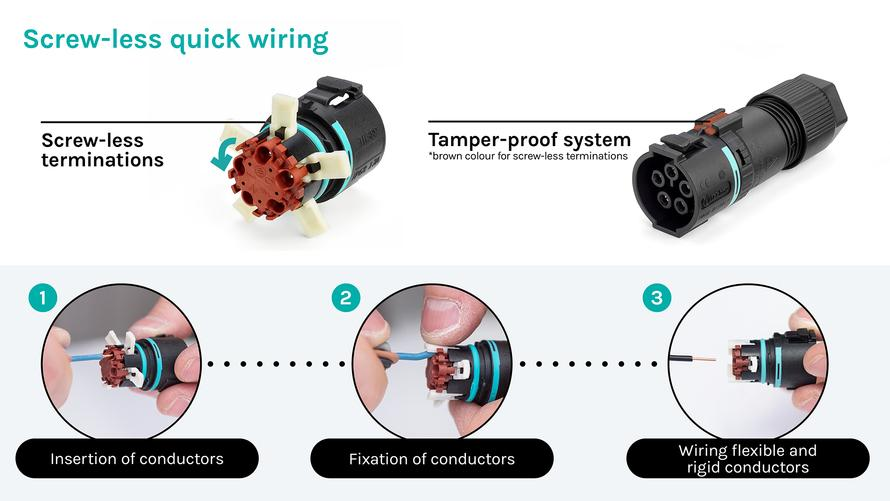
Screwless electrical accessories are popular in modern interiors because they can feature smooth front plates and concealed mounting hardware. Depending on the product, the front cover may clip onto a separate mounting frame, while electrical terminals still use screws or approved screwless terminal connections.
- Screwless Furniture
Some furniture systems use dowels, locking connectors, snap-fit components, or interlocking panels to reduce the need for traditional screws. These methods can simplify assembly and create a clean appearance. Their strength depends on the design, materials, and intended load.
- Electronics and Consumer Devices
Electronic products may use clips or snap-fit housings to hold covers and internal components together. This can improve appearance and support efficient manufacturing. Designers must also consider heat dissipation, electrical insulation, vibration resistance, and repair access.
- Construction and Interior Design
Screwless mounting systems can be used for selected wall panels, ceiling finishes, flooring components, and decorative installations. hey can create uninterrupted surfaces and simplify certain installation processes. Structural applications must use systems specifically engineered and approved for the intended loads.
- Automotive and Industrial Products
Automotive interiors and industrial enclosures sometimes use clips, molded connections, and other screwless fastening methods.
Screwless Design vs. Traditional Screw Fastening
| Feature | Screwless design | Traditional screw fastening |
| Appearance | Often clean and concealed | Screw heads may be visible |
| Assembly | Can be quick and simple | Usually requires suitable tools |
| Initial cost | Depends on design and materials | Often economical and familiar |
| Maintenance | May simplify access or complicate repairs | Screws can often be removed directly |
| Strength | Depends on the connection design | Depends on screw type, material, and installation |
| Reusability | Varies by fastening mechanism | Often reusable when threads remain undamaged |
| Best use | Applications needing concealed or streamlined connections | Applications needing reliable, serviceable fastening |
Neither approach is universally better. The right choice depends on the application’s strength requirements, installation environment, maintenance needs, and budget.
Disadvantages and Challenges of Screwless Design
Although screwless technology has many advantages, it also has limitations.
1. Potentially Difficult Repairs
Some snap-fit components are designed for one-time assembly. Opening them may break clips or damage the surrounding material.
2. Material Limitations
Plastic clips and other integrated fastening features may weaken under repeated stress, heat, aging, or exposure to chemicals.
3. Specialized Design Requirements
A screwless connection often requires careful engineering and precise manufacturing. Poorly designed connections can become loose or fail under load.
4. Not Suitable for Every Application
Heavy structural connections, high-vibration equipment, and safety-critical assemblies may require screws, bolts, or other tested fastening systems.
5. Replacement Parts Can Be Difficult to Find
If a proprietary clip or mounting mechanism breaks, a compatible replacement may be harder to obtain than a standard screw.
How to Choose the Right Screwless Product
Before choosing a screwless product, consider these important factors:
- Application: Determine whether the product is intended for furniture, electrical installation, electronics, or construction.
- Strength: Check the manufacturer’s specifications for load capacity and durability.
- Material quality: Consider whether the materials can withstand heat, moisture, vibration, and regular use.
- Installation method: Confirm whether the product requires special tools, mounting frames, or professional installation.
- Maintenance: Find out whether the product can be safely opened, repaired, and reassembled.
- Compatibility: Check the dimensions, mounting requirements, and compatibility with existing components.
- Certifications: For electrical and structural products, verify compliance with the relevant safety standards and local building requirements.
The Future of Screwless Design in 2026 and Beyond
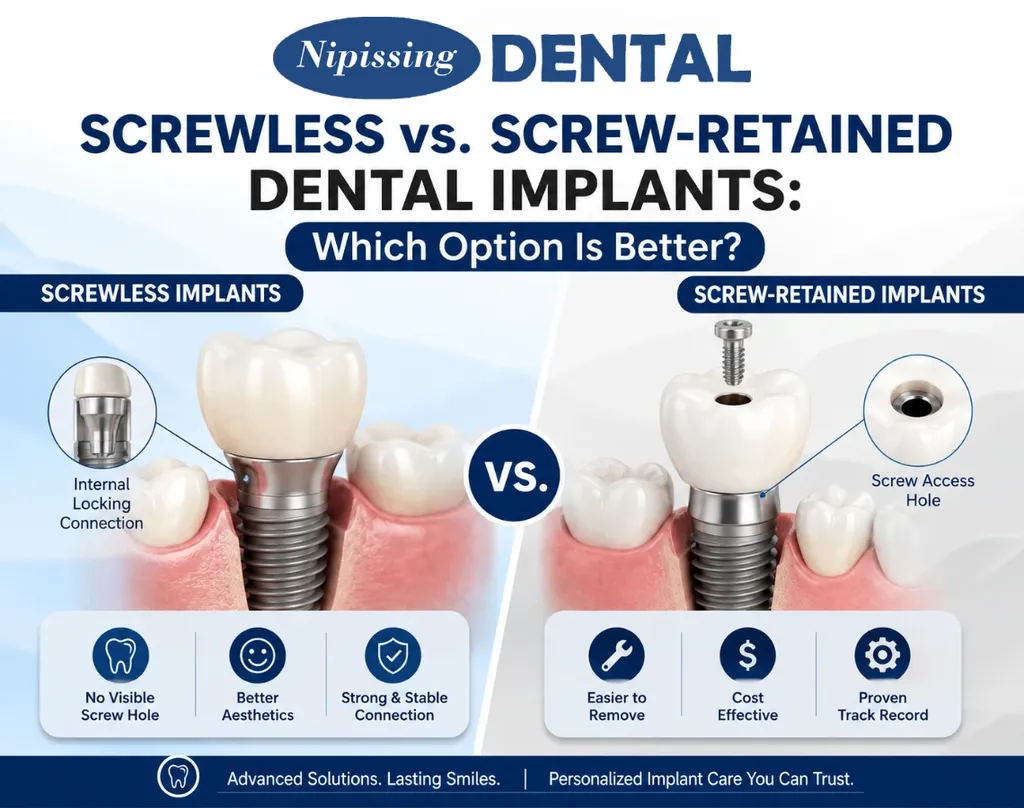
The future of screwless design is closely connected to advances in materials science, precision manufacturing, modular construction, and product engineering. Manufacturers can explore stronger integrated clips, improved snap-fit connections, concealed mounting systems, and components designed for easier disassembly. Screwless technology may also support more efficient assembly lines and cleaner product aesthetics. In sustainable product development, the most promising designs will combine durable connections with repairable construction and recyclable materials.
Conclusion
Screwless design offers a smart approach to modern product development by combining clean aesthetics, convenient assembly, flexible engineering, and potential manufacturing efficiencies. The seven key benefits include a modern appearance, easier assembly, improved convenience, potential cost savings, consistent finishing, flexible design, and efficient manufacturing.
However, screwless systems must be evaluated carefully for durability, maintenance, safety, and suitability. When designers choose the right fastening method for the intended application, screwless technology can deliver practical and attractive solutions in 2026 and beyond.