
Personalized Microbiome AI Diets represent a growing approach to precision nutrition in which gut microbiome data, dietary habits, metabolic information and artificial intelligence are combined to develop more individualized food recommendations. Instead of assuming that everyone responds to food in the same way, this approach attempts to understand how a person’s unique biology may influence their response to particular foods.
What Are Personalized Microbiome AI Diets?
The gut microbiome is the community of microorganisms living in the digestive tract. These microbes interact with food and produce metabolites that can influence digestion, metabolism, immunity and other aspects of human physiology. Research increasingly suggests that people can respond differently to the same foods partly because of differences in their microbiomes.
A personalized microbiome AI diet uses data such as:
- Gut microbiome sequencing
- Diet and food-intake records
- Metabolic measurements
- Body-composition information
- Health and lifestyle data
- Machine-learning predictions
AI can then analyze relationships among these variables and help identify dietary patterns that may be more appropriate for an individual.
How Microbiome Sequencing Works
Microbiome sequencing analyzes genetic material from microorganisms collected from a biological sample, commonly a stool sample.
A simplified process looks like this:
Sample → DNA sequencing → Microbial profile → AI analysis → Dietary recommendations → Follow-up monitoring
Modern sequencing can identify microorganisms at increasingly detailed levels. A major 2026 Nature Medicine study analyzed diet and shotgun-metagenomic data from 10,068 people, examining associations between dietary patterns and microbial species and pathways.
Why AI Matters
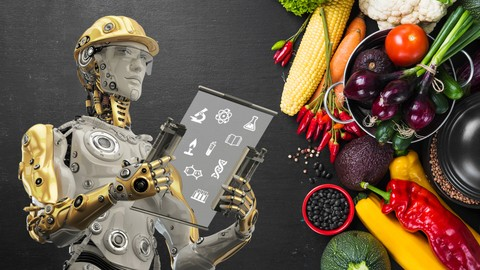
The microbiome generates an enormous amount of biological information. AI and machine learning can help analyze relationships that would be difficult to evaluate manually.
For example, an AI system might examine whether changes in:
- fiber intake,
- fermented foods,
- whole grains,
- dairy,
- coffee,
- processed foods,
are associated with changes in particular microbial populations.
The 2026 study found that diet significantly predicted microbial diversity and the abundance of many microbial species and pathways. Researchers also developed exploratory models for simulating personalized dietary interventions and their potential effects on microbiome composition and cardiometabolic measures.
From Generic Diets to Precision Nutrition
Traditional dietary advice often uses broad recommendations such as eating more vegetables, consuming adequate fiber, or reducing highly processed foods.
Personalized nutrition asks a different question:
What dietary changes might work best for this particular person?
Two people could eat the same meal but experience different metabolic or microbiome responses. Personalized nutrition attempts to account for this variation rather than relying exclusively on population averages.
What Could a Personalized Plan Include?
A microbiome-informed AI system could potentially recommend changes such as:
1. Increasing Certain Foods
The system might identify foods associated with favorable microbial responses and recommend incorporating them into the diet.
2. Reducing Specific Foods
Rather than eliminating entire food groups automatically, an algorithm could identify foods that appear less compatible with an individual’s dietary or metabolic profile.
3. Adjusting Fiber Sources
Different fibers can interact differently with microbial communities. Personalized recommendations could therefore focus on specific fiber sources rather than simply prescribing a generic fiber target.
2026 Research Breakthroughs
One of the most notable developments in 2026 is the large-scale Nature Medicine research involving 10,068 participants. The researchers reported associations between dietary characteristics and 669 of 724 microbial species tested, as well as 313 of 320 microbial pathways. The study also reported that many diet microbiome associations remained observable over several years. Importantly, its personalized intervention analysis was described as exploratory, meaning these predictions should not be interpreted as proof that an AI-generated diet will produce a specific health outcome in an individual.
Potential Benefits

Personalized Microbiome AI Diets could eventually offer several advantages:
- More individualized dietary guidance
- Better understanding of food–microbe interactions
- Potentially more targeted nutrition strategies
- Continuous diet personalization
- Data-driven identification of dietary patterns
- Integration with wearable and health-monitoring technologies
- Potential support for cardiometabolic health research
Research reviews particularly identify obesity and type 2 diabetes as areas where differences in individual responses to diets make personalized approaches potentially valuable.
Challenges and Limitations
Despite the excitement around microbiome AI, the technology is not yet a universal solution for nutrition.
Microbiomes Are Complex
The presence of a particular microorganism does not necessarily mean that changing its abundance will automatically produce a specific health benefit.
Results Can Vary
Microbiome composition can be affected by diet, medications, lifestyle, environment, age and other factors.
AI Predictions Need Validation
An algorithm can identify statistical associations without proving cause and effect. Researchers therefore need controlled trials and validation across different populations.
Privacy Matters
Microbiome sequencing produces biological data. Combining it with genetic, metabolic or lifestyle information creates additional privacy considerations.
A 2026 review specifically identifies methodological inconsistency, limited population diversity, data privacy, and equitable access as important challenges for microbiome-informed personalized nutrition.
The Future of AI Nutrition
The next generation of personalized nutrition could combine microbiome sequencing + AI + metabolomics + wearable data + continuous health monitoring. Instead of receiving a fixed diet plan, a person could potentially receive a dynamic nutrition strategy that evolves as their diet, microbiome and metabolic measurements change.
However, the strongest future model is likely to be AI-assisted nutrition rather than AI only nutrition. Registered dietitians, physicians, and nutrition researchers can provide clinical context that algorithms cannot reliably determine on their own.
Final Thoughts
Personalized Microbiome AI Diets 2026 mark an important shift from generalized dietary advice toward precision nutrition. Advances in sequencing and machine learning are making it increasingly possible to study the relationships among individual diets, gut microbes and health related characteristics at large scale. The technology is promising, but it should be viewed as an emerging research field rather than a guaranteed personalized health solution. As larger and more diverse datasets, better sequencing methods and stronger clinical trials become available, AI could make dietary recommendations increasingly individualized and evidence based