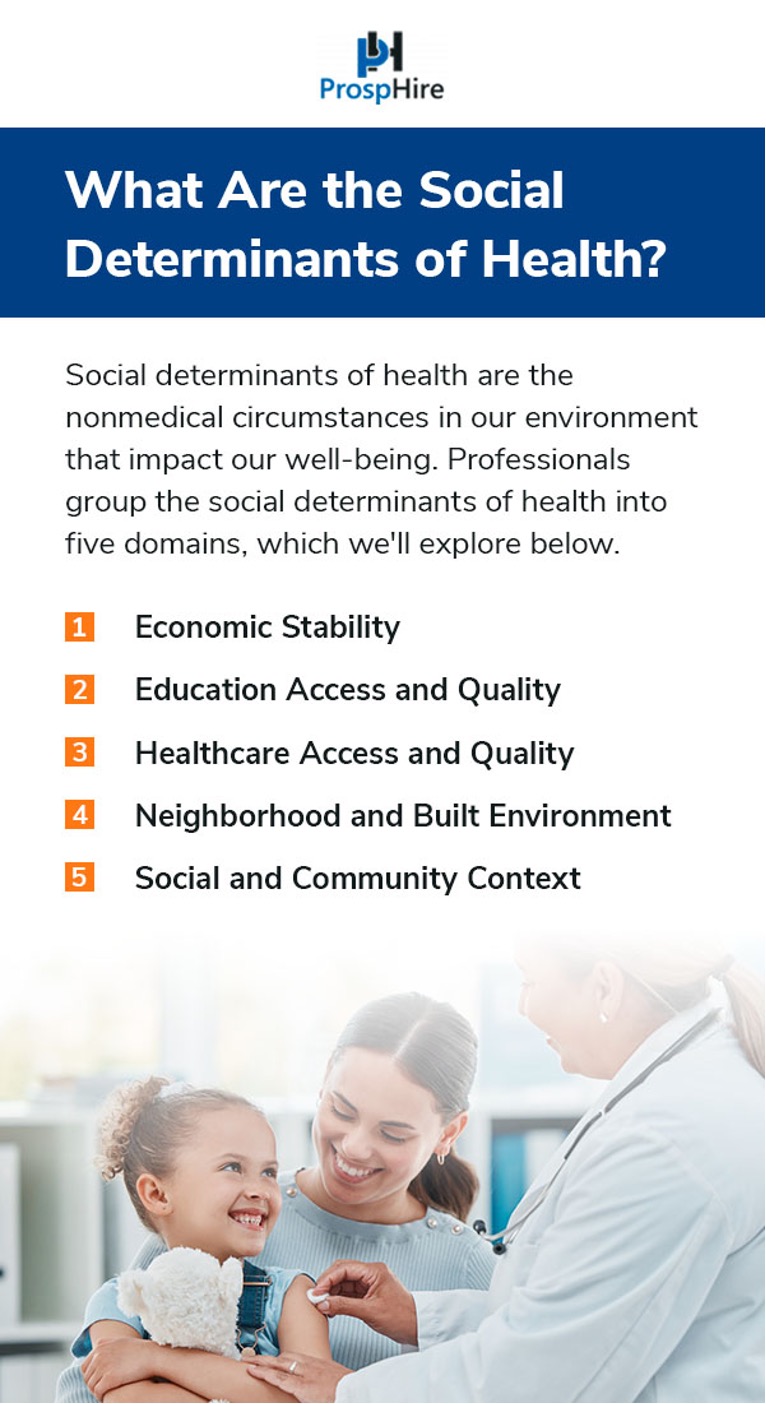
Social Determinants of Health We are all aware that our natural biology and the foods we eat have an impact on our health. However, what about the circumstances outside of our bodies? Do our social environments, financial security, and educational attainment influence our health The circumstances of our lives can have a significant impact on how healthy we are; these factors are known as the social determinants of health. It’s an issue public health practitioners must routinely confront when establishing and administrating public health programs. And if you’re thinking about beginning or developing a career in public health, you will also encounter this problem.
1. The socioeconomic determinants of health should be addressed, but why?
A more comprehensive understanding of the causes of people’s first illnesses and the steps necessary to improve their health can be obtained by developing a framework that takes into account the socioeconomic determinants of health. It acknowledges that social justice and equity are crucial to maintaining good health and having access to high-quality medical care. A town, state, or county’s health can be significantly improved by changing policies to address the socioeconomic determinants of health, such as poverty, racism, violence, and resource access. Population health cannot be improved by treating an illness’s symptoms alone while neglecting its underlying causes.
2. The Social Determinants of Health: What Are They?
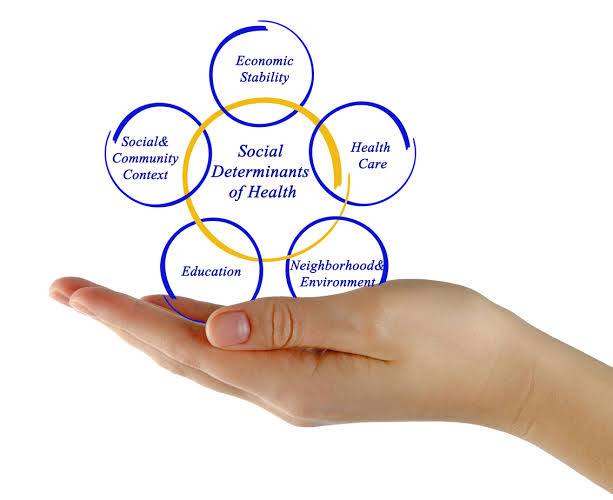
Any external circumstance that affects or may eventually affect a person’s health choices, access to healthcare, and/or general health quality is often seen as a social determinant. Social determinants include the following, according to the U.S. government’s Healthy People 2020 initiative:
Availability of resources (such as secure housing and nearby food markets) to satisfy everyday needs
Access to employment, financial, and educational possibilities
Availability of medical services
Educational and career training quality
Opportunities for leisure and recreational activities as well as community-based services supporting communal living
Options for transportation
Safety of the public
Social assistance
exposure to social disorder, criminality, and violence (such as the existence of rubbish and a lack of communal collaboration)
Socioeconomic circumstances (such as concentrated poverty and the stressful circumstances that go along with it)
Segregation in residential areas
Literacy and language
Access to new technologies and mass media, such as social media, the internet, and cell phones
Culture
3. Which Health Determinants Are Most Important?
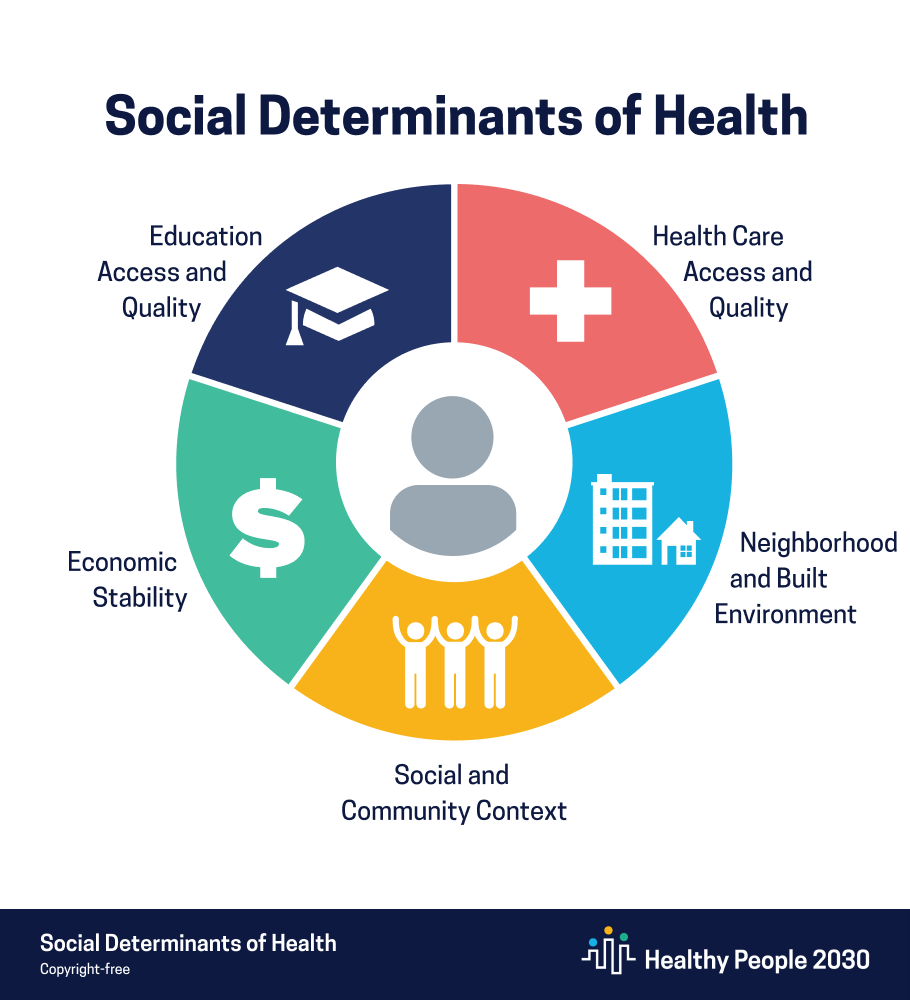
Economics
Health and income have long been associated. A person’s chances of being healthy decrease with their level of poverty. There are several explanations for this association, but it can start in the womb. Mothers with low incomes are less likely to be able to pay for and/or have time for appropriate prenatal care. From then on, the issues only get worse. Poor people frequently live in subpar housing, eat badly and/or sporadically owing to food insecurity, and endure higher levels of stress as a result of ongoing financial hardship.
Learning
On average, people with higher levels of education outlive those with lower levels. This is mainly because income level and education are directly correlated. Individuals with lower levels of education tend to work more physically demanding jobs, live in less healthy neighborhoods because they cannot afford nicer ones, and often lack a good employer-provided healthcare plan, which limits their ability to afford appropriate medical care. Furthermore, a lack of education frequently results in a lack of knowledge about the lifestyle decisions that have detrimental effects on one’s health.
The neighborhood
Amenities that can support inhabitants’ health are part of good neighborhoods. Safe streets reduce stress, green spaces promote physical activity, high-quality supermarkets make wholesome fresh produce easily accessible, and high-quality transportation alternatives make it simpler to get to and from medical professionals. However, the health of people living in lower-quality communities can be seriously jeopardized. In addition to lacking the aforementioned amenities, poor neighborhoods are more likely to be near roads and polluting industries, provide subpar housing that contains hazardous materials and/or is not adequately heated or cooled, have higher crime rates, and have inadequate infrastructure, all of which can increase stress and put people at risk of injury.
Obtaining Care
Many individuals in America and throughout the world do not have adequate access to healthcare. This is especially true for people who reside in rural areas. In actuality, just 10% of doctors work in rural America, despite making up 20% of the country’s population. People’s access to healthcare is limited, which affects how frequently they obtain care.
Social Context
The quality of our connections is one of the most intimate factors that determines our health. Strong social networks and family support have been linked to a lower lifetime risk of mental and physical health issues, according to numerous studies. Although there are several reasons for this correlation, researchers think that the main reason is that individuals in healthier relationships feel
4. How Can You Contribute to Public Health Improvement?
You can start assisting individuals in leading healthier lifestyles by obtaining a degree in public health. A Master of Public Health (MPH) degree, in particular, can help you acquire the skills required for a public health position that actually makes a difference (and pays well).
You should think about online learning if you’re worried that you won’t have enough time to complete a Master of Public Health. You can continue to work full-time while earning your Master of Public Health degree through an online school. This is due to the fact that an online degree program in public health offers you the chance
Conclusion
People’s health and quality of life are significantly influenced by social determinants of health. Health outcomes can be influenced by a variety of factors, including social support, housing, work, education, healthcare access, and income. By addressing these issues, communities can become healthier, well-being can be enhanced, and health disparities can be decreased. Building a more equitable and efficient healthcare system requires a greater emphasis on social determinants of health.