








Algorithmic transparency is the practice of making the way an algorithm or AI system works more understandable, traceable, and reviewable. It helps people understand what an AI system does, what information influences its decisions, what its limitations are, and how its results can be challenged or evaluated. In 2026, transparency is increasingly important as AI systems influence areas such as business, education, finance, healthcare, employment, customer service, and online platforms.
1.What Is Algorithmic Transparency?
An algorithm is a set of computational rules or processes used to solve a problem or produce an outcome. Algorithmic transparency means providing meaningful information about those processes.
Examples
- What the system is designed to do
- What data it uses
- How the model was developed
- What factors influence its output
- How performance is evaluated
- What limitations exist
- Who is responsible for the system
- How users can appeal or correct important decisions
2.Why Algorithmic Transparency Matters

AI can make decisions or recommendations at enormous scale. If people don’t understand how these systems operate, it can become difficult to identify errors, unfair outcomes, or inappropriate uses.
Transparency can help promote:
1. Trust
People are more likely to trust an AI system when they understand its purpose and limitations.
2. Accountability
Organizations can identify who is responsible for developing, deploying, monitoring, and maintaining an AI system.
3. Fairness
Documentation and testing can help organizations identify potential disparities in AI outcomes.
4. Better Decision-Making
Users can make more informed decisions when they understand how much confidence to place in an AI-generated result.
5. Error Detection
Clear documentation and monitoring make it easier to investigate unexpected outcomes.
3.How Algorithmic Transparency Works
A transparent AI system can be viewed as a lifecycle:
Data → Model Development → Testing → Deployment → Monitoring → Review
At each stage, organizations can document and evaluate what is happening.
Data
Organizations should understand:
- Where data came from
- What types of information it contains
- Whether it is representative
- How it was processed
- Whether privacy requirements are being followed
Model Development
Documentation can describe:
- Model type
- Intended purpose
- Training methodology
- Important design choices
- Known limitations
Testing
Testing can evaluate:
- Accuracy
- Reliability
- Robustness
- Fairness
- Security
- Performance across relevant groups or scenarios
Deployment
Organizations should communicate how and where the system is being used.
Monitoring
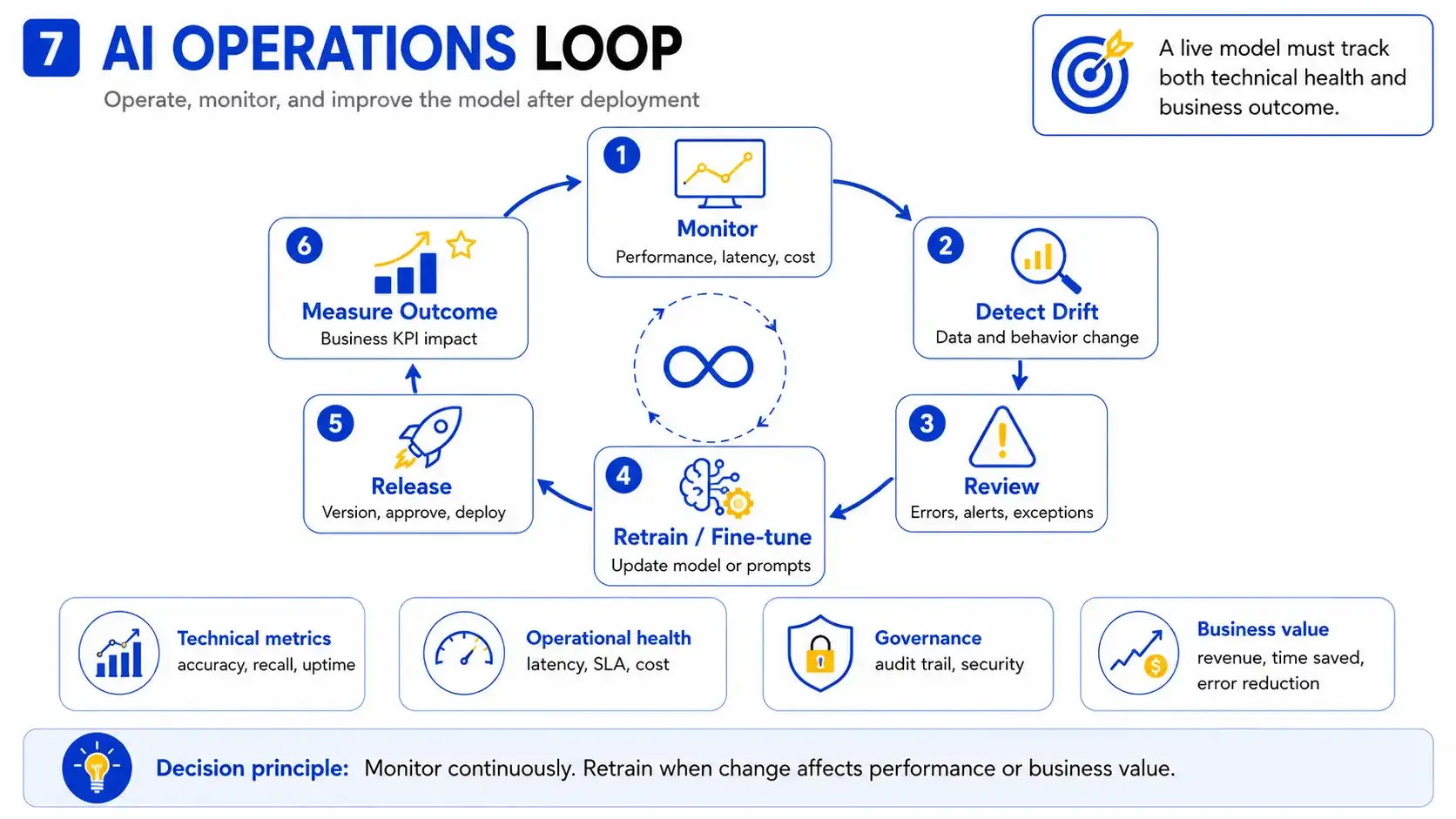
AI systems should be monitored after deployment because performance can change when data, users, or operating environments change.
4.Algorithmic Transparency vs. Explainable AI
These concepts are closely related but aren’t identical.
Algorithmic transparency focuses on making information about an algorithm or AI system available and understandable.
Explainable
AI (XAI) focuses more specifically on helping people understand why an AI model produced a particular prediction or decision.
Example:
Transparency: This system uses machine-learning models to evaluate applications based on specified information.
Explainability: These particular factors contributed most strongly to this individual prediction.
Both can contribute to trustworthy AI.
5.Algorithmic Transparency and AI Bias
AI systems can produce unfair outcomes when their data, design, objectives, or deployment environment introduce bias.
- What data trained the model?
- Are some groups underrepresented?
- How was performance measured?
- Were different populations evaluated?
- What assumptions were built into the system?
- Are certain errors occurring more frequently?
Transparency alone doesn’t eliminate bias, but it can make potential problems more visible and easier to investigate.
6.Transparency in Generative AI
Generative AI introduces additional transparency questions.
Users may want to know:
- That they are interacting with AI
- Whether content was AI-generated
- What information the system relies on
- How reliable the output is
- What the system cannot determine
- Whether human review is involved
For example, an organization using an AI assistant could clearly communicate that responses are AI-generated and provide a mechanism for users to report incorrect information.
7.Benefits of Algorithmic Transparency
Better User Trust
Clear communication can improve confidence without suggesting that AI is infallible.
Stronger Accountability
Organizations can establish responsibility for AI systems.
Easier Auditing
Documentation provides useful information for internal and external reviews.
Improved AI Governance
Transparency supports broader responsible-AI processes.
Better Risk Management
Understanding how a system works makes it easier to identify potential risks.
More Informed Users
People can better judge whether an AI recommendation is appropriate for their situation.
8.Challenges of Algorithmic Transparency

Transparency also has practical limitations.
Complex Models
Some modern AI models are extremely complicated, making simple explanations difficult.
Intellectual Property
Organizations may not want to disclose proprietary technology or confidential information.
Security Risks
Revealing too much about an AI system could potentially help attackers identify weaknesses.
Privacy
Publishing detailed information about training data can create privacy concerns.
Information Overload
A technically accurate explanation may still be useless if ordinary users cannot understand it. Therefore, effective transparency should provide the right information to the right audience at the right level of detail.
9.How Businesses Can Improve AI Transparency
Businesses can take several practical steps:
- Define the AI system’s purpose clearly.
- Document important data sources and processing methods.
- Record model-development decisions.
- Test performance and potential bias.
- Document known limitations.
- Explain significant AI-assisted decisions to users when appropriate.
- Provide human escalation or appeal mechanisms for important decisions.
- Monitor the system after deployment.
- Keep documentation updated as the system changes.
- Clearly identify responsibilities for AI oversight.
Example
Imagine an organization uses AI to help prioritize customer-support requests.
A transparent approach could explain:
Purpose:
The system helps prioritize incoming support requests.
Inputs:
It analyzes information contained in submitted support tickets.
Output:
It assigns a priority recommendation.
Human role:
Support employees can review and override the recommendation.
Limitations:
The AI can make mistakes and isn’t the sole decision-maker for critical cases. This is much more useful to users and employees than simply saying, “Our company uses AI.”
10.Algorithmic Transparency Checklist
- Clear AI purpose
- Documented system design
- Appropriate data documentation
- Model-performance evaluation
- Bias and fairness testing
- Known limitations
- User-facing explanations where appropriate
- Human oversight
- Monitoring and auditing
- Accountability procedures
- Privacy and security protections
- Updated documentation
Final Thought
Algorithmic Transparency Building Trusted AI in 2026 is about more than exposing technical code. It is about creating AI systems that are understandable, accountable, reviewable, and honest about their limitations. The strongest approach balances transparency, privacy, security, intellectual property, and usability. When people can understand how an AI system is intended to work and know how to question or challenge its results they are better positioned to use AI responsibly and confidently.