
AI News Break NYC 2026 highlights how artificial intelligence is rapidly changing New York City’s economy, government, workplaces, media and everyday life. From AI startups and new jobs to automation, regulation and public sector technology. NYC is becoming an important center of the AI transformation.
NYC’s Growing AI Economy
New York City has a major advantage in AI because of its concentration of finance, healthcare, media, advertising, law, real estate and technology companies. The city is increasingly focused on the application layer of AI using AI in established industries rather than simply developing foundation models. This creates opportunities for AI startups, software companies, entrepreneurs, researchers and workers with AI related skills.
AI and NYC Jobs
AI is also creating uncertainty for New York workers. A 2026 report from NYC Comptroller Mark Levine warned that AI could potentially affect thousands of jobs and radically transform wages, productivity, corporate profits and the city’s tax base. The impact will not necessarily mean every job disappears. Many roles could instead change as employees use AI for research, writing, coding, customer service, analysis, marketing and administrative work.
AI in New York City Government
NYC has been developing policies for responsible government use of artificial intelligence. The city’s AI Action Plan includes initiatives covering AI governance, workforce capability, public engagement and responsible technology adoption.
However, a state audit published on August 31, 2026, found that NYC had only partially implemented recommendations related to AI governance. That makes oversight and accountability an important part of the city’s AI conversation.
AI Startups and Innovation
New York continues to attract AI startups because companies can access large pools of talent and customers across finance, healthcare, media, advertising and other industries. The city’s economic development strategy has emphasized building an AI-ready workforce and strengthening the local AI ecosystem.
AI and Local News
AI is also changing how local newsrooms work. NYC-area news organizations are experimenting with AI-powered tools while dealing with challenges such as deepfakes, voice-cloning scams, misinformation and maintaining journalistic trust.
For NewsBreak-style local coverage, AI can help journalists identify patterns, organize large datasets, summarize public information and personalize stories.But human verification remains essential.
AI Risks for New Yorkers
The AI revolution also brings risks:
- Job disruption as companies automate repetitive tasks
- Deepfakes and misinformation
- AI-powered scams and voice cloning
- Privacy concerns
- Algorithmic discrimination
- Cybersecurity threats
- Unclear accountability when AI makes mistakes
These concerns make responsible AI governance increasingly important for NYC.
What AI Means for NYC in 2026
The biggest story is not simply that New York is adopting AI. It is that AI is becoming part of the city’s economic infrastructure. Businesses are looking for ways to increase productivity, government agencies are exploring responsible AI applications and workers are being pushed to develop new digital skills. At the same time, policymakers must address employment disruption, privacy, fairness and public trust.
AI News Break NYC 2026: NYC’s AI Revolution — Advantages and Disadvantages
New York City is becoming an important center of the AI economy, but the transformation brings both major opportunities and serious risks. The NYC Comptroller’s 2026 analysis describes several possible futures, ranging from productivity gains to significant job displacement.
Advantages of AI in NYC
1. Higher Productivity
AI can automate repetitive tasks, analyze information quickly and help businesses improve efficiency. NYC’s economic analysis notes that AI adoption is already strongest in finance, information and professional services.
2. New Business Opportunities
AI creates opportunities for startups and established companies in areas such as fintech, healthcare, advertising, media, cybersecurity and software.
3. Smarter Government
AI can help city agencies process information, improve services, identify inefficiencies and reduce administrative workloads. New York officials have already explored AI as a tool for making government more efficient.
4. New AI Careers
Although some jobs may be automated, AI can also increase demand for engineers, data specialists, cybersecurity professionals, AI trainers, researchers and other technology workers.
5. Economic Growth
In the NYC Comptroller’s modeled Productivity Boon scenario, AI-driven productivity could produce higher employment, wages, profits and tax revenues over time.
Disadvantages of AI in NYC
1. Job Displacement
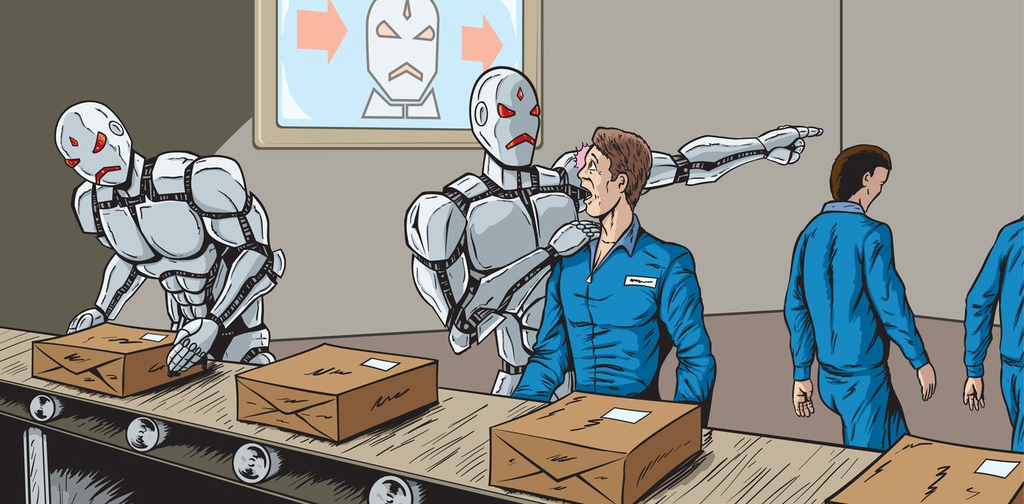
The biggest concern is employment. AI could automate certain routine and white-collar tasks, putting pressure on workers in sectors heavily represented in NYC. The Comptroller specifically identified job replacement as one possible economic scenario.
2. Inequality
Workers with advanced technical skills may benefit more quickly than people whose jobs are easier to automate. Without training and workforce programs, AI could widen economic differences.
3. Privacy and Security
AI systems often require large amounts of data. Poor data management can create privacy, cybersecurity and surveillance risks.
4. Bias and Accountability
AI can produce inaccurate or biased outcomes. A New York State Comptroller follow up audit found that NYC’s three AI governance recommendations were only partially implemented as of April 2026, highlighting the need for stronger oversight.
5. Data-Center Pressure
AI requires significant computing infrastructure. Large data centers can create concerns about electricity consumption, noise, environmental impact and community infrastructure. New York Governor Kathy Hochul has specifically discussed these concerns while arguing for responsible AI development.
6. Misinformation and Deepfakes
AI-generated images, video, audio and text can make misinformation harder to identify. This is particularly important for local news, elections, public safety and social media.
Advantages vs. Disadvantages
| Advantages | Disadvantages |
| Higher productivity | Job displacement |
| New startups | Economic inequality |
| Faster services | Privacy risks |
| New technology careers | AI bias |
| Better data analysis | Misinformation |
Final Verdict
AI News Break NYC 2026 NYC’s AI Revolution is ultimately a story of opportunity versus disruption. AI could make New York businesses and government more productive and create new industries, but unmanaged adoption could also increase job insecurity, inequality, privacy concerns and governance problems.
The best path for NYC is responsible AI adoption: encourage innovation while investing in worker training, transparency, cybersecurity, public accountability, and strong AI governance.
Final Thoughts
AI News Break NYC 2026 NYC’s AI Revolution reflects a major transformation underway across the Big Apple. AI is influencing jobs, startups, government services, journalism, finance, and everyday business. The opportunity is enormous, but so are the challenges. NYC’s success will depend on whether it can encourage innovation while protecting workers, consumers and the public interest. The city’s AI revolution is no longer a future prediction it is an ongoing transformation.