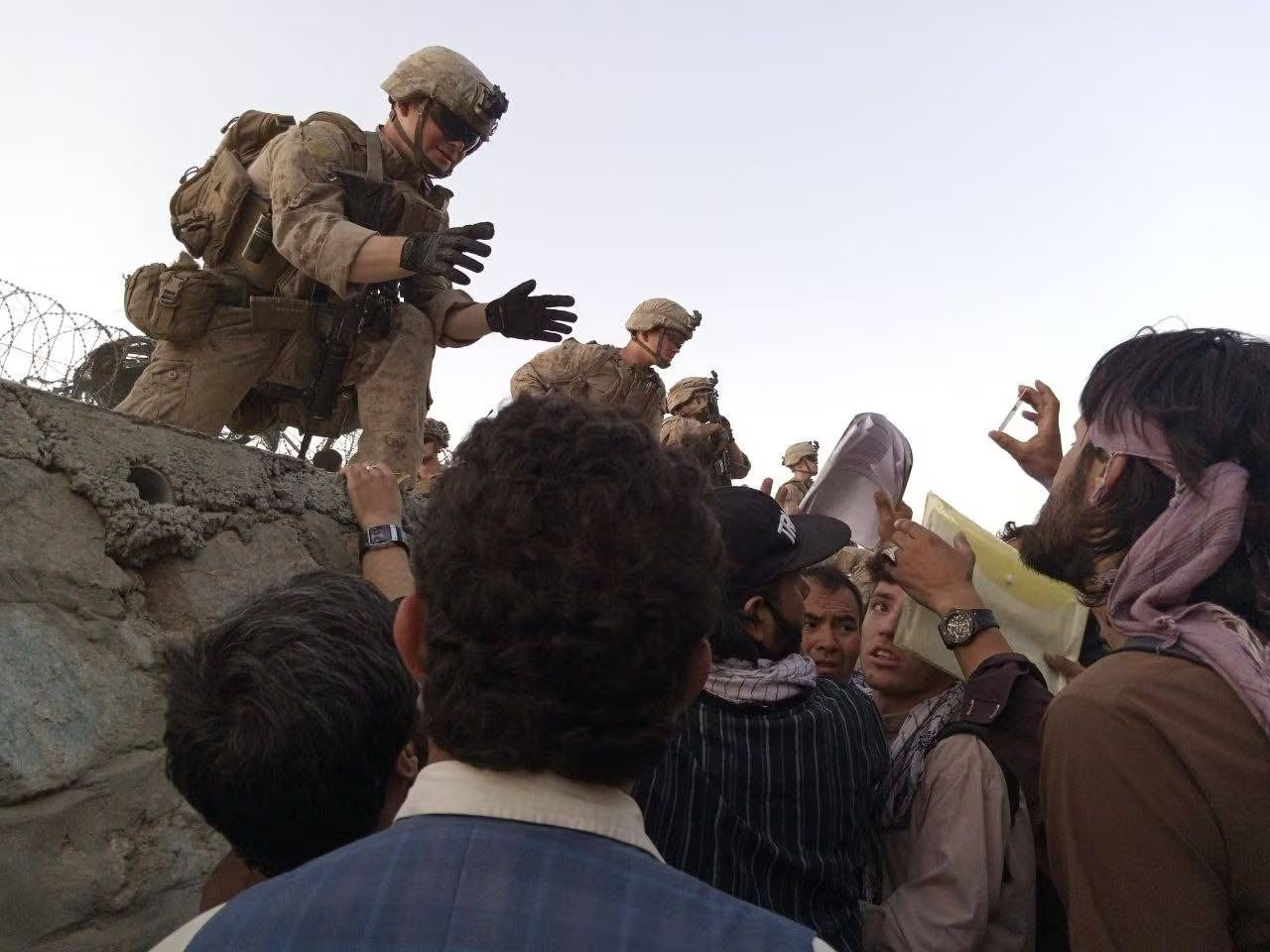
Abbey Gate 2026 marks five years since the deadly August 26, 2021, suicide bombing at Hamid Karzai International Airport in Kabul, Afghanistan. The attack killed 13 U.S. service members and roughly 170 Afghan civilians during the U.S. evacuation. A U.S. Central Command review later concluded that the attack was carried out by a single suicide bomber and was not a complex attack.
What Happened at Abbey Gate?
On August 26, 2021, an ISIS-K suicide bomber detonated explosives near the airport’s Abbey Gate while thousands of Afghans were attempting to escape during the U.S. withdrawal. The attack became one of the defining tragedies of the chaotic evacuation. The 13 U.S. service members who died were serving in a dangerous evacuation mission. Their sacrifice remains central to anniversary commemorations in 2026.
Why Abbey Gate Matters in 2026
The fifth anniversary has renewed debate about the planning and execution of the Afghanistan withdrawal. Army veteran and Rep. Matt Van Epps introduced a resolution honoring the 13 fallen service members while sharply criticizing the Biden-Harris administration’s handling of the withdrawal. He described it as an “abject failure.” Van Epps, who served in Iraq and Afghanistan, argued that American forces and the personnel conducting the evacuation were placed in an unnecessarily difficult situation. His comments reflect the continuing political and military debate over how the withdrawal was planned.
AI & Military Lessons
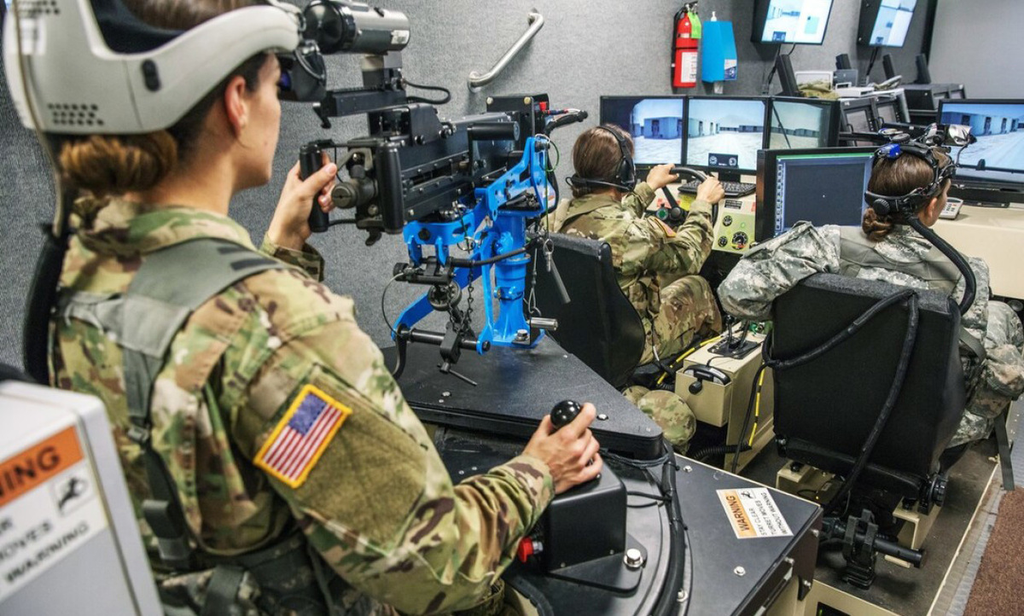
AI can provide useful tools for learning from events such as Abbey Gate, although AI cannot replace military commanders, intelligence professionals, or human judgment.
1. Better Intelligence Analysis
AI systems can process enormous amounts of intelligence, including:
- Satellite imagery
- Communications data
- Movement patterns
- Threat reports
- Historical intelligence
- Social-media information
The objective is to help analysts identify unusual activity and potential threats earlier.
2. Faster Threat Detection
AI-assisted surveillance could help identify changing security conditions around evacuation sites. Pattern-recognition systems can flag suspicious movements or combinations of indicators for human analysts to investigate. The lesson is not that AI could have guaranteed prevention of the Abbey Gate bombing. Rather, better technology may improve the speed and breadth of threat assessment.
3. Evacuation Planning
AI can also support simulations of evacuation operations. Military planners can model:
- Crowd movement
- Airport access points
- Security perimeters
- Transportation capacity
- Medical evacuation routes
- Possible attack scenarios
- Changing Taliban or militant activity
These simulations can expose weaknesses before an operation begins.
4. Human Judgment Still Matters
One of the biggest military lessons is that technology is only useful when decision-makers act on credible warnings.
AI can identify patterns, but commanders must determine:
What does the information mean? What action should be taken? How quickly should forces respond?
Leadership and Accountability
The Abbey Gate anniversary has also become a debate about responsibility. Van Epps and other Republicans argue that the Biden administration failed to adequately plan the withdrawal and respond to warning signs. Democrats and Biden defenders have argued that the withdrawal followed the framework established by the Trump administration’s 2020 Doha agreement with the Taliban.
Accountability
That political disagreement is important to distinguish from the historical facts of the attack itself. The U.S. military has also conducted reviews of the bombing. A 2024 supplemental review reaffirmed earlier findings while identifying the attacker and examining circumstances surrounding the attack.
The Role of AI in Future Military Operations
The Abbey Gate tragedy illustrates why modern military organizations increasingly focus on data-driven decision-making, predictive analytics, autonomous systems, cybersecurity and real-time intelligence.
Potential AI applications include:
- Predictive intelligence: detecting emerging threats.
- Computer vision: monitoring large and complex environments.
- Route optimization: identifying safer evacuation routes.
- Risk modeling: comparing possible operational outcomes.
- Logistics AI: coordinating personnel, aircraft and supplies.
- Medical AI: prioritizing casualties and supporting emergency response.
- Cybersecurity AI: detecting hostile digital activity.
These technologies should function as decision-support systems rather than replacements for trained personnel.
The Human Cost
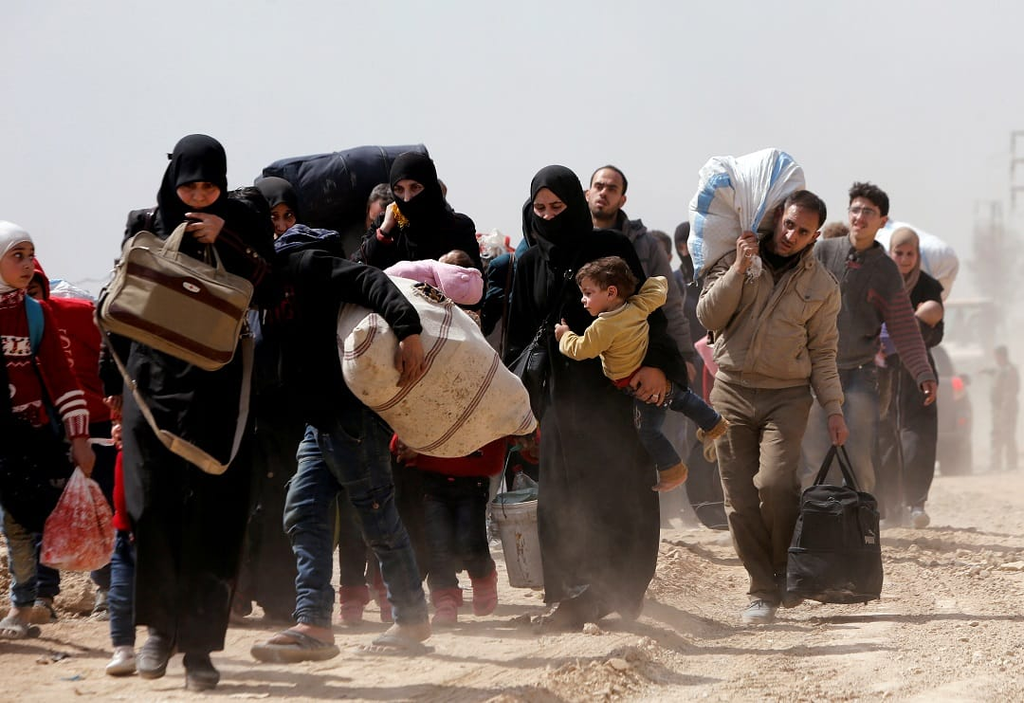
Technology discussions should never overshadow the people affected by the tragedy. Thirteen American service members lost their lives, while approximately 170 Afghans were also killed. Families, veterans and survivors continue to carry the consequences years later.
The 2026 anniversary is therefore not simply about technology or political arguments. It is also about remembering those who died.
Final Thought
Abbey Gate 2026 AI & Military Lessons highlights a difficult reality modern technology can improve intelligence, planning and emergency response, but technology alone cannot guarantee successful military operations. The most important lesson is the combination of accurate intelligence, realistic planning, rapid decision-making, strong leadership and accountability. AI can strengthen those capabilities—but human responsibility remains at the center of military operations.