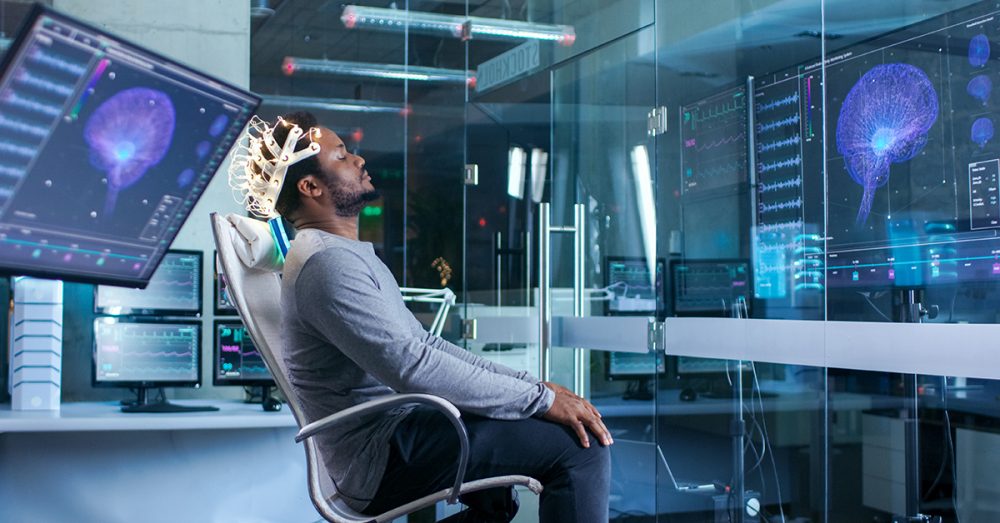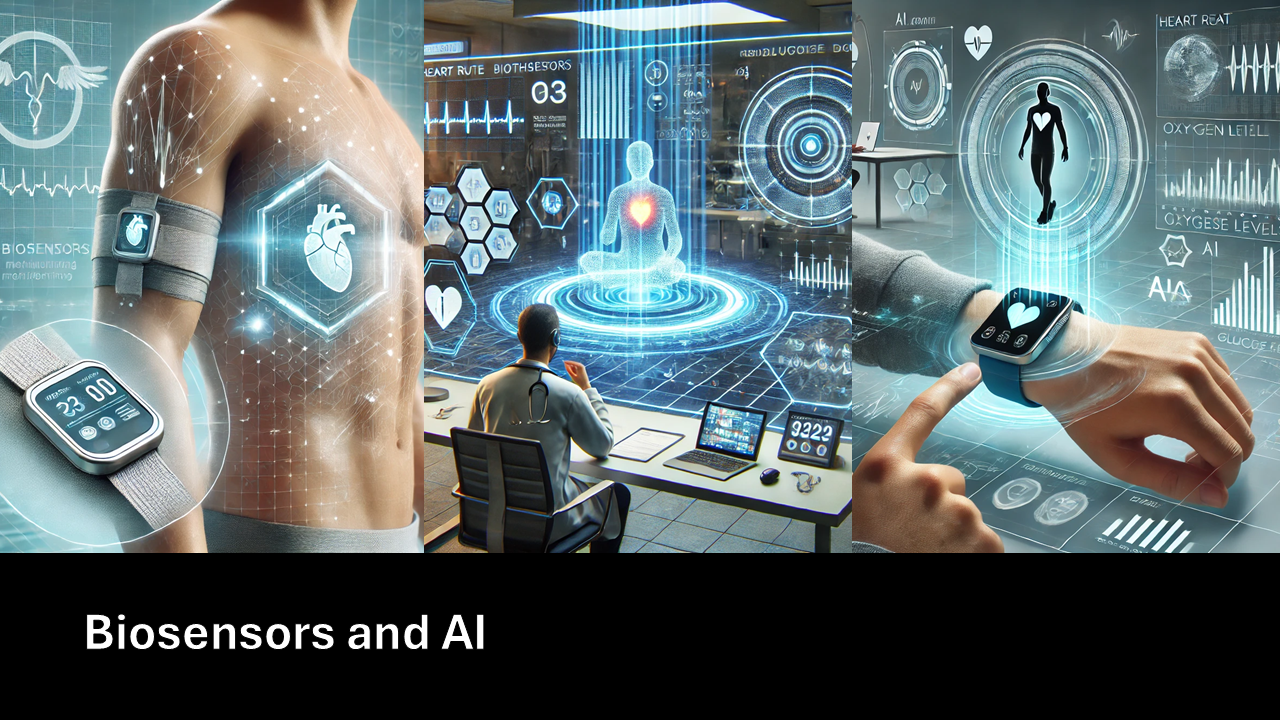
Healthcare AI can bring something healthcare has traditionally lacked: foresight. Rather than waiting for patients to deteriorate before intervening, AI is increasingly capable of detecting subtle warning signs days in advance. This could give clinicians the opportunity to act earlier, potentially reducing hospital admissions, improving quality of life, and easing pressure on overstretched healthcare systems.
Combined with wearable devices that continuously monitor vital signs and other health data, this technology could fundamentally transform how we manage chronic disease—from reacting to deterioration to anticipating it.
Integrating AI into Healthcare
Continuous health monitoring has existed for years, but collecting data is only half the challenge. The real opportunity lies in turning that data into meaningful insight and, ultimately, action.
Traditional machine learning in healthcare has faced several limitations, including differences in data scale and type, fragmented datasets, and models that struggle to generalize beyond the conditions for which they were trained. Recent advances in AI are beginning to address some of these constraints, enabling models to work across increasingly diverse and multimodal sources of information.
The real breakthrough is AI’s ability to interpret enormous volumes of physiological, behavioral, and environmental data simultaneously. Rather than examining a single measurement in isolation, modern AI models can identify subtle combinations of signals that humans may struggle to detect, revealing patterns that can precede clinical deterioration.
This raises an important question:
How do we give patients and healthcare systems more time to act?

Wearable technology could provide part of the answer. By continuously monitoring health in everyday settings, wearables can generate a rich stream of real-world data. When combined with AI, this information could help identify early changes in an individual’s health and alert clinicians before deterioration becomes a crisis.
Technology has evolved extraordinarily quickly in recent years. Wearables have moved far beyond simple fitness trackers, while AI has progressed well beyond basic chatbots. Combining these technologies could fundamentally transform how healthcare is delivered.
The opportunity is not simply to monitor patients more closely but to anticipate what might happen next. If healthcare systems can move from reacting to disease to predicting and preventing deterioration, the potential impact on patient outcomes, clinical workloads, and healthcare costs could be transformative.
A changing climate demands action
One of the clearest opportunities for predictive healthcare lies in chronic respiratory disease (CRD), which affects more than 545 million people worldwide. Asthma and chronic obstructive pulmonary disease (COPD) place a significant burden on both patients and healthcare systems, with exacerbations often resulting in emergency admissions that may be avoidable through earlier intervention.
Climate change makes this shift towards predictive healthcare even more urgent. Poor air quality, rising pollen levels, heatwaves, and wildfires are increasing respiratory risks in communities around the world. According to the World Health Organization (WHO), 99% of the global population breathes air that exceeds recommended pollution limits. UNICEF also warns that more than one billion children are exposed to multiple climate hazards.
These environmental pressures are not occurring in isolation. They interact with individual health, potentially triggering or worsening respiratory symptoms in vulnerable patients. This creates an opportunity for AI and wearable technology to combine continuous health monitoring with environmental data, identifying when a patient’s risk is increasing and providing an opportunity to intervene before symptoms become severe.
Putting Predictive Healthcare to Work
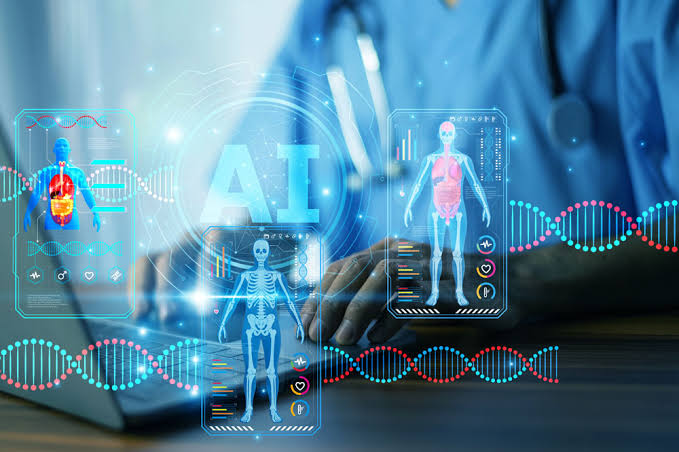
For chronic respiratory disease (CRD), predictive healthcare means bringing together physiological indicators such as respiratory rate, heart rate, and wheeze detection with patient-reported symptoms, behavioral patterns, and environmental conditions.
Individually, these signals may reveal little. A change in sleep quality, a slight increase in respiratory rate, reduced physical activity, or rising local pollen and air pollution levels may not be enough to indicate that a patient is deteriorating. Analyzed together, however, these signals can reveal patterns associated with an increased risk of an exacerbation in the days ahead.
This multimodal approach is one of AI’s greatest strengths. Rather than assessing each data point in isolation, AI can identify relationships across complex datasets that would be difficult, if not impossible, to recognize through traditional analysis. The result is a more complete picture of a patient’s health and, potentially, an earlier indication that intervention is needed.
The challenge is that healthcare generates vast amounts of information every day—from wearable devices and remote monitoring technologies to patient apps, diagnostic imaging, and laboratory tests. Much of this data, however, remains fragmented across different systems and silos.
Connecting these sources and turning them into actionable insight could help reduce patient suffering, save lives, and ease pressure on overstretched healthcare systems. In respiratory disease, timing matters. A warning delivered after a patient is already struggling to breathe is far less valuable than one delivered 24, 48, or even 72 hours earlier. That additional time could give patients and clinicians the opportunity to act before deterioration becomes a crisis.