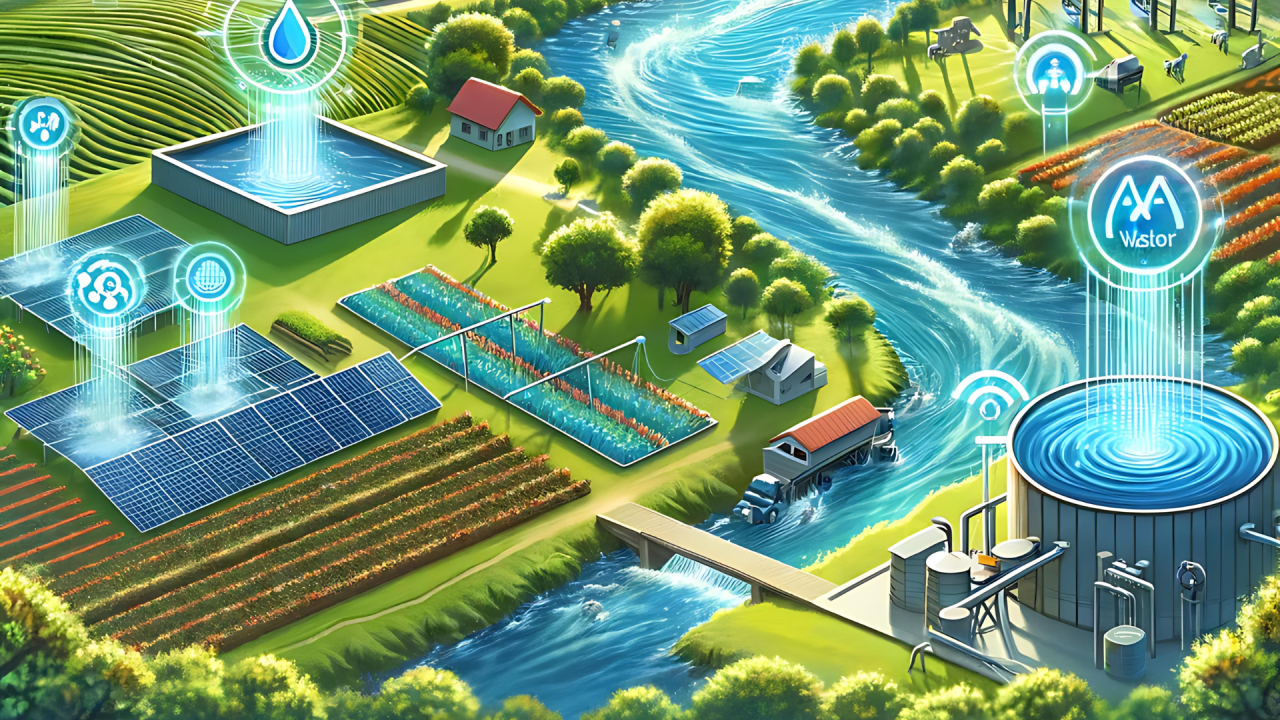
Fresh water is one of the world’s most essential natural resources, supporting human health, agriculture, industry, and ecosystems. As climate change, population growth, and increasing demand place unprecedented pressure on water supplies, governments, investors, and businesses are exploring new ways to manage this limited resource. One of the most controversial developments is the financialization of fresh water rights—the practice of treating water rights as tradable financial assets.
What Is the Financialization of Water Rights?
Financialization refers to the process of transforming assets into financial instruments that can be bought, sold, traded, or invested in. In the context of fresh water, it involves assigning economic value to water rights and creating markets where those rights can be exchanged.
Water rights typically grant individuals, businesses, or organizations permission to withdraw or use a specified amount of water from rivers, lakes, reservoirs, or groundwater sources. In some regions, these rights can already be transferred between users. Financialization expands this concept by increasing investor participation and, in some cases, introducing financial products linked to water markets.
Why Water Rights Are Becoming More Valuable

Several global trends are increasing the value of reliable water access:
- Climate change is altering rainfall patterns and increasing the frequency of droughts.
- Population growth is driving higher demand for drinking water and food production.
- Urban expansion is increasing municipal water consumption.
- Agriculture continues to account for the majority of freshwater withdrawals worldwide.
- Potential Benefits of Water Markets
Supporters argue that well-regulated water markets can improve water management in several ways.
Efficient Resource Allocation
Farmers, municipalities, and industries can buy or lease water.
Conservation Incentives
More in efficient irrigation, recycling systems, leak detection, and conservation technologies.
Investment in Water Infrastructure
Market mechanisms can attract funding for reservoirs, pipelines, treatment plants, desalination facilities, and smart water management systems that improve long-term resilience.
Access and Equity
Water is widely recognized as essential for life. Critics argue that treating water primarily as a financial asset risks prioritizing profit over universal access.
Speculation
Investor participation may encourage speculation. Where financial actors purchase water rights primarily. This could increase costs for farmers, local communities, and businesses.
Environmental Impacts
Poorly designed markets may encourage excessive water extraction if ecological safeguards are weak. Rivers, wetlands, and groundwater systems require minimum environmental flows to remain healthy.
Indigenous and Community Rights
Many Indigenous peoples and local communities have longstanding cultural, legal, or customary relationships with water resources. Expanding water markets without recognizing these rights can lead to conflict and concerns about environmental justice.
Regulatory Complexity

Effective water markets require transparent rules, accurate measurement, enforcement mechanisms, and protections against monopolization or misuse. Without strong governance, markets can produce unintended consequences.
Global Examples
- Australia’s Murray–Darling Basin operates one of the world’s most developed water trading systems. Allowing temporary and permanent.
These experiences show that outcomes depend heavily on regulatory design, environmental protections, and enforcement.
The Role of Technology
Examples include:
- Smart water meters for real-time monitoring.
- Satellite and remote sensing to estimate water availability.
- Artificial intelligence for demand forecasting and drought prediction.
- Internet of Things (IoT) sensors to detect leaks and optimize distribution.
Future Outlook
Water scarcity is expected to become a more significant global challenge as climate change and population growth continue. Policymakers will likely face increasing pressure to balance economic efficiency with environmental sustainability and social equity.
Future water governance may combine market mechanisms with stronger public regulation, environmental safeguards, and protections for human rights. Success will depend on ensuring that financial tools improve water management without compromising affordable and reliable access to this essential resource.
Conclusion
The financialization of fresh water rights represents one of the most debated developments in modern resource management. Proponents see market-based systems as a way to encourage conservation, improve allocation, and attract investment. Threaten environmental sustainability. As governments refine water policies. The central challenge will be balancing economic innovation with the recognition that fresh water is both a vital natural. Resource and a fundamental necessity for human well-being.