Introduction
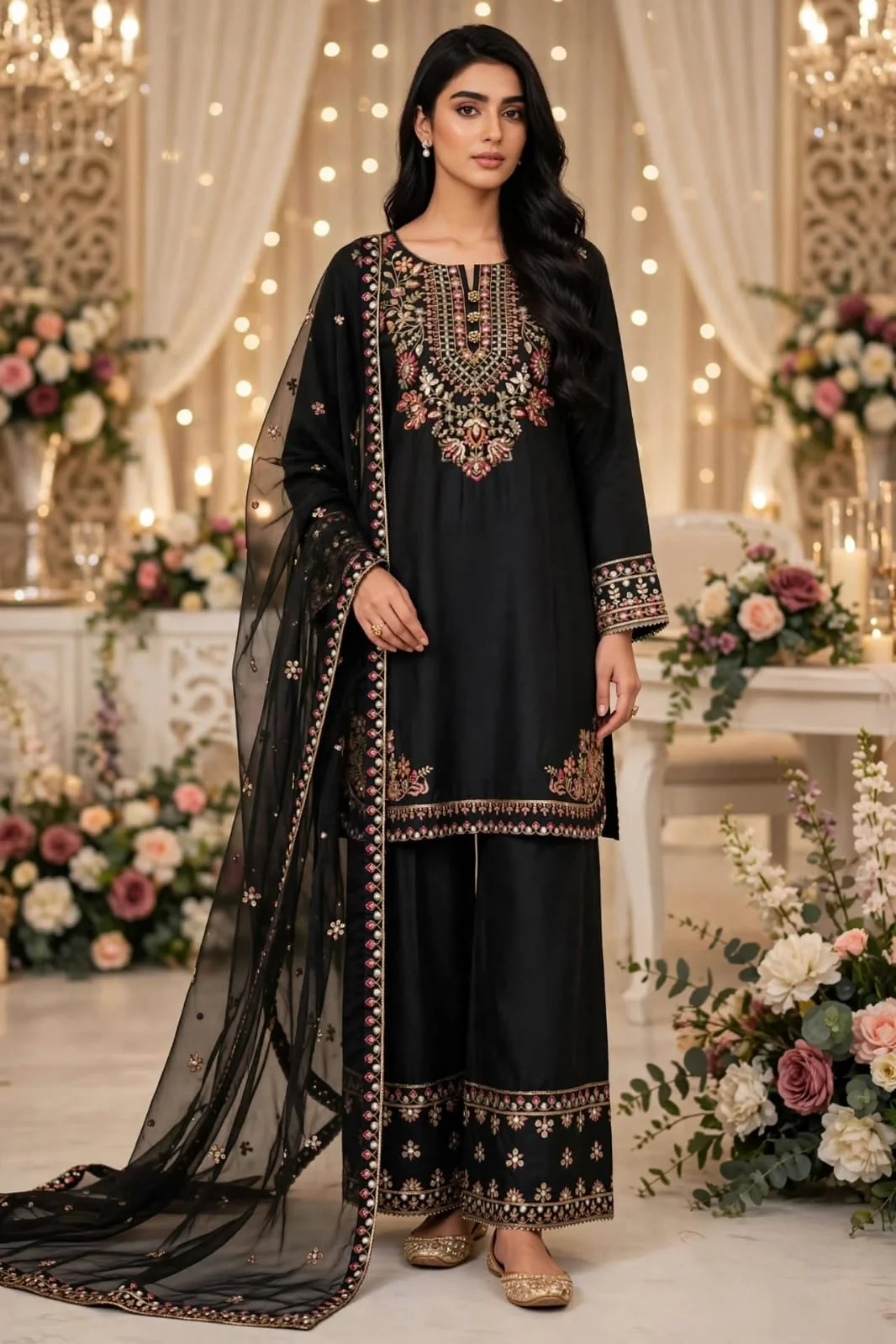
AI fashion shopping is solving these challenges by using artificial intelligence to create smarter, faster, and more personalized shopping experiences.
With AI-powered recommendations, virtual try-ons, intelligent search, and personalized styling assistants, fashion retailers are using technology to understand customer preferences and deliver products that match individual tastes.
In 2026, AI fashion shopping is becoming a key competitive advantage for brands by improving customer engagement, increasing sales conversions, reducing returns, and creating more personalized experiences.
1. What Is AI Fashion Shopping?
AI fashion shopping refers to the use of artificial intelligence technologies to improve the fashion buying experience for customers and retailers.
AI systems analyze customer data, shopping behavior, images, preferences, and trends to provide intelligent recommendations and services.
Key technologies include the following:
- Machine learning
- Computer vision
- Natural language processing (NLP)
- Generative AI
- Recommendation algorithms
- Virtual fitting technology
Unlike traditional e-commerce, AI-powered fashion platforms act like personal shopping assistants that understand customer needs and help them discover suitable products.
2. How AI Is Changing Fashion Shopping
A. Personalized Product Recommendations
One of the biggest applications of AI in fashion shopping is personalized recommendations.
AI analyzes:
- Previous purchases
- Browsing history
- Search behavior
- Favorite brands
- Color preferences
- Size information
- Lifestyle choices
Based on this data, AI recommends products that match each customer’s personal style.
For example:
A customer who frequently buys minimalist clothing may receive recommendations for neutral-colored jackets, simple sneakers, and modern accessories.
This creates a more relevant shopping experience compared with traditional product listings.
3. AI Virtual Fashion Assistants
AI fashion assistants are becoming digital personal stylists.
These assistants can help customers:
- Select outfits
- Match clothing items
- Suggest seasonal styles
- Recommend accessories
- Create complete looks
Customers can ask questions such as the following:
- “What should I wear for a business meeting?”
- “Which shoes match this outfit?”
- “Suggest a summer wardrobe.”
Generative AI enables these assistants to provide personalized fashion advice instantly.
4. AI Virtual Try-On Technology
One of the most exciting developments in AI fashion shopping is virtual try-on technology.
Using computer vision and augmented reality (AR), customers can visualize how clothing, shoes, glasses, or accessories will look before purchasing.
Benefits include:
- Better purchase confidence
- Reduced product returns
- Improved customer experience
- More engaging online shopping
Examples of virtual try-on applications:
- Trying sunglasses using a smartphone camera
- Visualizing clothing on a digital avatar
- Checking shoe styles virtually
- Previewing makeup products
5. AI Image Search in Fashion
A customer uploads a picture of a jacket they like, and AI identifies similar products available
- Colors
- Patterns
- Shapes
- Materials
- Design features
6. AI Size Recommendation and Fit Prediction
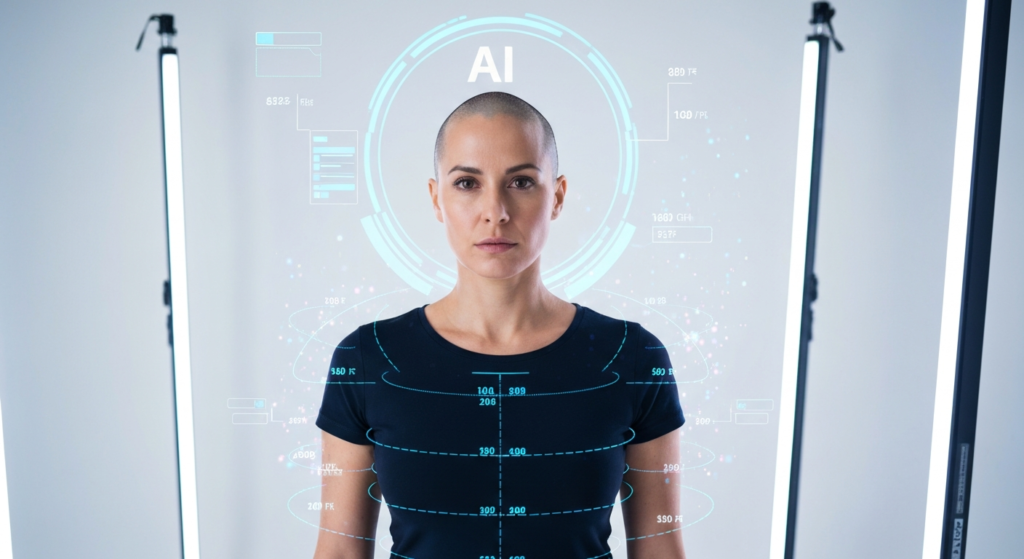
Finding the correct size is one of the biggest challenges in online fashion shopping.
AI helps solve this problem by analyzing:
- Body measurements
- Previous purchases
- Brand sizing patterns
- Customer feedback
- Product dimensions
- Size-related returns
- Customer frustration
- Shopping uncertainty
7. AI Fashion Trend Prediction
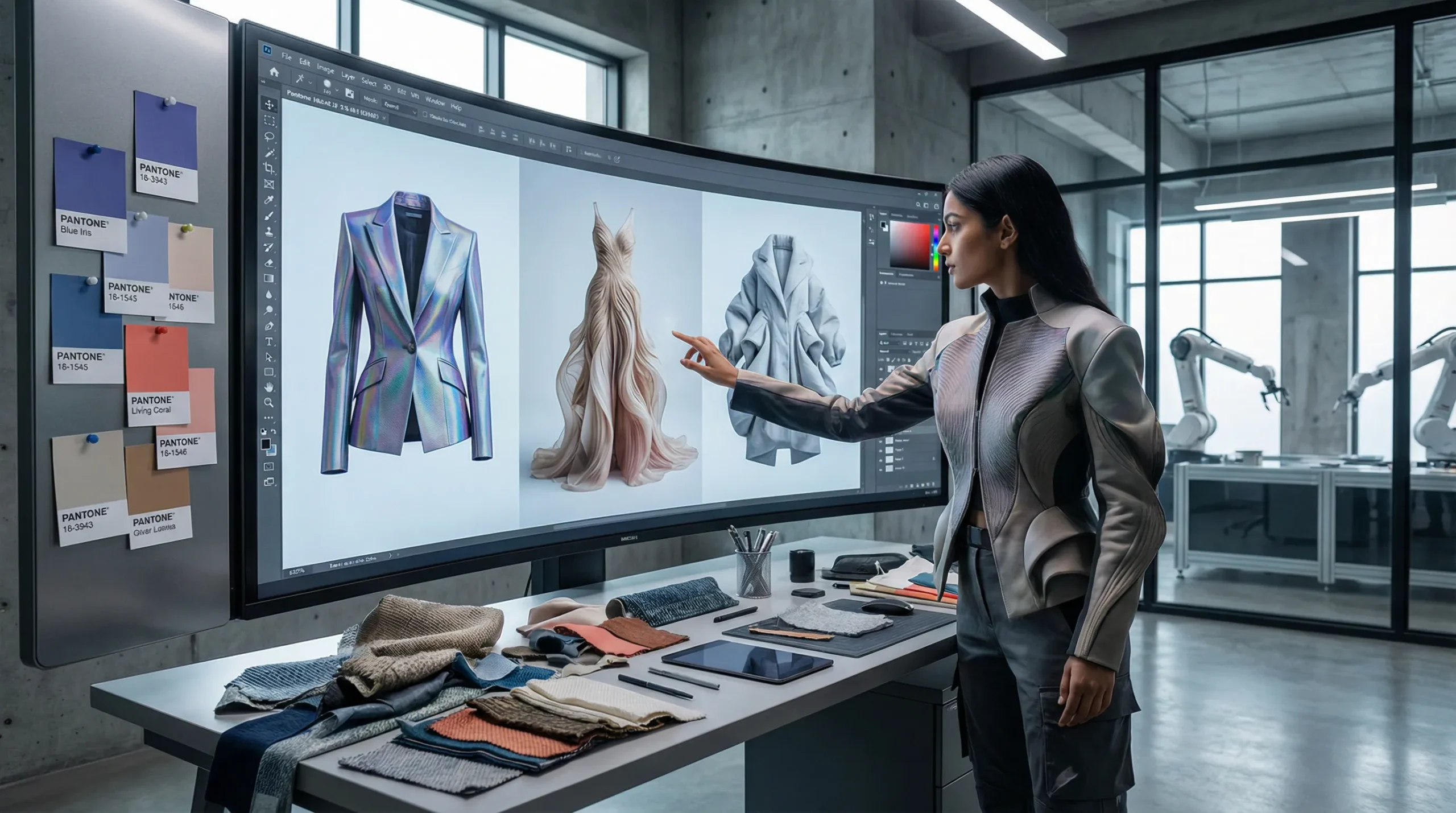
Fashion brands use AI to predict upcoming trends by analyzing massive amounts of data.
AI studies:
- Social media activity
- Search trends
- Consumer behavior
- Fashion shows
- Online purchases
- Cultural trends
Brands use these insights to understand:
- Which colors will become popular
- Which styles customers prefer
- What products to develop
This allows fashion companies to respond faster to changing customer demands.
8. AI Chatbots for Fashion Retail
AI-powered chatbots are improving customer service in fashion e-commerce.
They can:
- Answer product questions
- Provide styling suggestions
- Track orders
- Recommend products
- Help with returns
Unlike traditional customer support, AI chatbots provide instant assistance 24/7.
9. Benefits of AI Fashion Shopping
For Customers
Personalized Experience
Customers receive recommendations based on their unique preferences.
Faster Shopping
AI helps users find suitable products quickly.
Better Decisions
Virtual try-ons and size recommendations increase confidence.
Improved Convenience
AI assistants simplify the shopping process.
Higher Sales Conversion
Relevant recommendations encourage purchases.
Reduced Returns
Better sizing and fitting technology reduce unnecessary returns.
Customer Loyalty
Personalized experiences improve brand relationships.
Better Inventory Management
AI predicts demand and helps brands manage stock efficiently.
10. AI Fashion Shopping Trends in 2026
Hyper-Personalization
Brands will deliver highly customized shopping experiences based on individual preferences.
Digital Fashion and Virtual Clothing
AI-generated designs and digital garments will become more common.
Sustainable Shopping
AI will help consumers discover sustainable products and help brands reduce waste.
11. Challenges of AI Fashion Shopping
Data Privacy
AI systems require customer data, creating concerns about privacy and security.
Accuracy Issues
AI recommendations may sometimes fail to understand personal style preferences.
Technology Costs
Advanced AI systems require significant investment.
Human Creativity
Fashion remains a creative industry where human designers and stylists play an important role.
12. The Future of AI Fashion Shopping

The future of fashion shopping will combine artificial intelligence with human creativity.
Customers will increasingly use AI-powered platforms that can:
- Understand personal style
- Create complete outfits
- Predict fashion needs
- Provide virtual fitting experiences
- Offer real-time styling advice
AI will not replace fashion—it will enhance how people discover, purchase, and experience clothing.
Conclusion
AI fashion shopping is transforming the retail industry by making online shopping more personalized, intelligent, and convenient. Through recommendation engines, virtual try-ons, AI styling assistants, and predictive analytics, artificial intelligence is helping customers find the right products while enabling brands to create better shopping experiences.
As AI technology continues to advance in 2026 and beyond, fashion shopping will become more interactive, personalized, and connected than ever before. Brands that successfully adopt AI-driven solutions will have a stronger advantage in the future of digital fashion retail.