Introduction
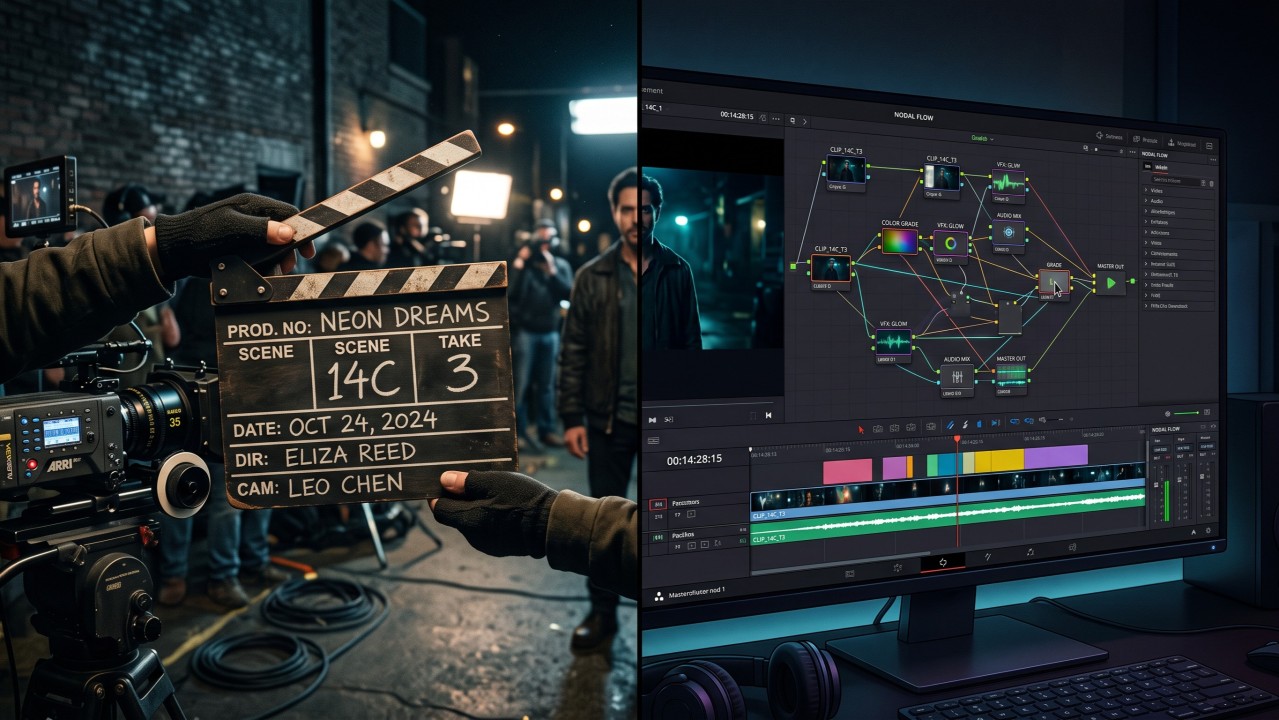
In 2026, artificial intelligence is becoming an increasingly important part of filmmaking. One of the most visible changes is the development of digital extras and synthetic performers, which can help filmmakers create large crowds, expand backgrounds, and produce characters digitally. Recent filmmaking experiments show AI being used to generate backgrounds, visual effects, and synthetic performers, while hybrid productions combine real human actors with AI-generated environments and characters. This technology could make massive crowd scenes faster and more flexible, but it also raises serious questions about employment, consent, compensation, digital likenesses, and the role of human performers.
What Are Digital Extras?
Digital extras are computer-generated or digitally enhanced background characters used to populate scenes.
Traditional background actors may appear in:
- Busy streets
- Stadiums
- Concerts
- Restaurants
- Airports
- Battle scenes
- Festivals
- Public events
- Futuristic cities
Digital extras can supplement or, in some situations, replace portions of these physical crowds.
How AI Creates Digital Crowds
AI-powered filmmaking can combine several technologies to produce convincing crowd scenes.
1. Generating Background Characters
AI and CGI can create numerous digital people with variations in clothing, appearance, position, and movement.
2. Expanding Real Crowds
A production can film a smaller number of real performers and digitally expand the group to make a scene appear much larger.
3. Creating Different Movements
Digital characters can be given different walking speeds, gestures, reactions, and directions so the crowd does not appear completely repetitive.
4. AI-Generated Environments
Modern AI video systems can also generate or modify backgrounds. In 2026, filmmakers are experimenting with systems capable of changing environments around human performers in near real time.
Why Filmmakers Are Interested
Lower Production Costs
Large physical crowds require casting, transportation, costumes, food, scheduling, location management, and coordination. Digital techniques can reduce some of these logistical requirements. Some AI-focused studios have reported substantial potential cost reductions for hybrid productions, although actual savings vary significantly by project.
Faster Production
Digital crowds can be modified during post-production without bringing hundreds of people back to a location.
Greater Creative Freedom
Directors can create enormous fictional populations, historical gatherings, futuristic cities, and large-scale events that might otherwise be difficult to stage.
Easier Scene Modification
A digital crowd can potentially be made:
- Larger
- Smaller
- More diverse
- More active
- More distant
- More densely packed
Digital Extras vs. Human Background Actors
| Human Background Actors | Digital Extras |
| Physically present | Digitally generated or enhanced |
| Provide genuine human movement | Movement can be simulated |
| Require casting and scheduling | Can be created digitally |
| Need costumes and makeup | Appearance can be digitally changed |
| Limited by physical locations | Can populate virtual environments |
| Paid as performers | Created through VFX/AI workflows |
The future is not necessarily an either-or choice. Hybrid filmmaking can combine human performers with digital crowd technology.
Benefits of Digital Extras

Massive Crowd Scenes
Filmmakers can create the appearance of thousands of people without physically assembling thousands of performers.
Production Flexibility
Digital characters can be adjusted after principal photography.
Creative Possibilities
AI can help create environments and crowd sequences that would be extremely expensive or impractical to film traditionally.
Reduced Physical Logistics
Productions may need fewer physical crowd participants for particular shots, potentially simplifying transportation, costumes, and location management.
Safer Filmmaking
Digital crowds can be useful for dangerous sequences involving explosions, disasters, battles, or other hazardous environments.
The Impact on Background Actors
The biggest concern is employment. Background acting provides work for large numbers of performers, and the increased use of synthetic characters could reduce opportunities for some types of roles. This concern is not hypothetical. In 2026, reporting from China described AI-generated digital performers replacing human performers in parts of the short-drama and livestreaming industries.
However, this does not mean all human extras are disappearing. Human performers remain important for scenes requiring authentic reactions, interaction, physical performance, and creative direction.
Digital Likeness and Consent
One of the most important issues is the use of an actor’s digital likeness. A performer might provide an image, scan, voice recording, or performance that can potentially be used to create a digital representation.
Questions include:
- Who owns the digital model?
- How long can it be used?
- Can it appear in another production?
- Does the actor receive additional compensation?
- Can the likeness be modified?
- Can AI generate new performances using the likeness?
These questions have become central to performer negotiations and AI-related industry policies. The international performers’ federation FIA,
AI Does Not Always Mean Full Replacement
It is important to distinguish between AI-generated extras and AI-assisted filmmaking.
A production may use:
Human actor → digital capture → AI/VFX enhancement → larger digital crowd
rather than:
AI → completely synthetic human
This hybrid approach allows filmmakers to retain human performance while using technology to expand the scene.
AI and Hollywood in 2026
The filmmaking industry is increasingly experimenting with AI.
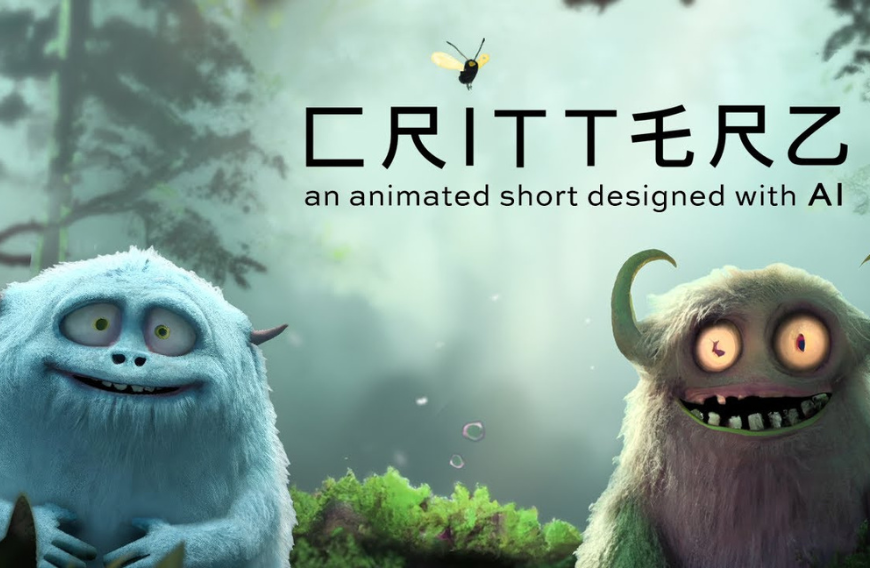
Recent examples include AI-native studios using generative technology for backgrounds, visual effects, and synthetic performers. Netflix has also reportedly used AI-related technology in a significant number of its 2026 productions, according to reporting from The Guardian. At the same time, major filmmakers and performers continue to debate whether AI should be used primarily as a creative tool or whether its expansion threatens human jobs and artistic identity.
Advantages
- Creates large crowds efficiently
- Reduces some logistical requirements
- Enables flexible visual effects
- Supports futuristic and historical scenes
- Can reduce the need for dangerous physical crowd sequences
- Makes post-production modifications easier
- Expands possibilities for independent filmmakers
Disadvantages
- Could reduce some background acting opportunities
- Raises consent concerns
- Creates digital-likeness ownership questions
- May affect performer compensation
- Can produce unnatural characters
- Requires skilled VFX and AI specialists
- Raises concerns about artistic authenticity
- May increase dependence on technology
The Future of Digital Extras
The next generation of digital extras is likely to become more sophisticated. AI video systems are already improving their ability to create consistent characters and cinematic sequences, although maintaining continuity across long, complex productions remains a technical challenge.
- Main characters
- Environmental changes
- Weather
- Disasters
- Music
- Sports events
- Explosions
- Public announcements
Ethical Filmmaking With AI
Production companies should clearly establish how performer data and digital likenesses are collected and used. Agreements should address reuse, compensation, storage, and modifications.This is particularly important as synthetic media becomes increasingly realistic. Recent research has found that people and even modern detection systems can struggle to reliably distinguish some AI-generated videos from real footage.
Conclusion
Digital Extras AI Changes Filmmaking 2026 represents a major shift in how large-scale movie scenes can be produced. AI can help filmmakers create enormous crowds, modify environments and reduce certain production challenges.
However, the technology should not be viewed simply as a replacement for human actors. A more likely future is a hybrid filmmaking model, where real performers, digital characters, AI systems and visual-effects artists work together. The central challenge will be finding the right balance between innovation and human creativity. If AI is developed and used responsibly, digital extras could give filmmakers new creative freedom while still respecting the performers whose work has traditionally brought crowded scenes to life.