Introduction
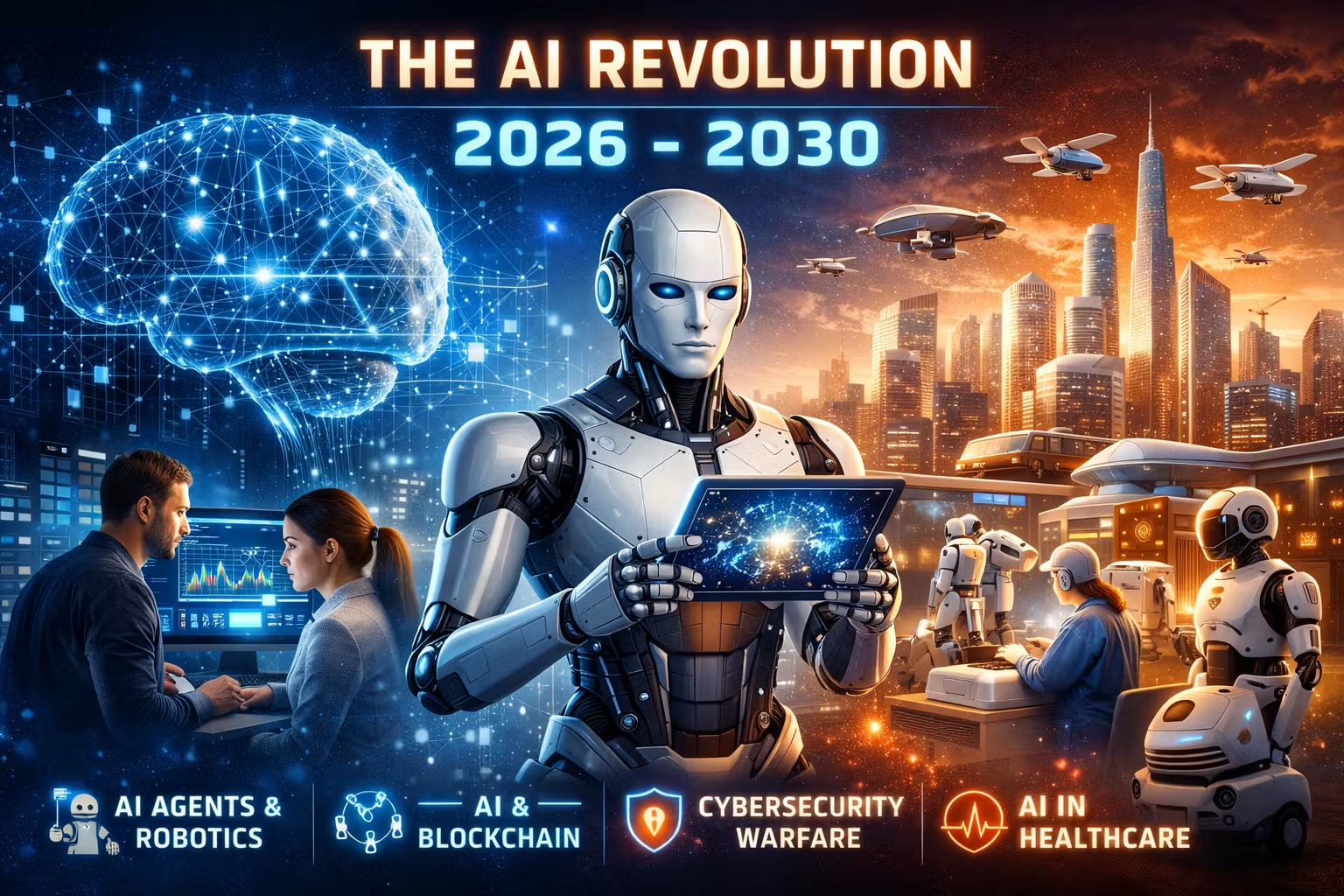
The tech revolution is accelerating in 2026, with artificial intelligence (AI) becoming a major force behind innovation. From smart devices and automated businesses to robotics, healthcare, transportation, and cybersecurity, AI is changing how people work, communicate, and solve problems.
1# What Is the Tech Revolution?
The tech revolution refers to the rapid development and adoption of advanced technologies that transform industries and everyday life. In 2026, AI, machine learning, automation, cloud computing, robotics, and connected devices are among the key technologies driving this transformation.
2# How AI Is Powering the Tech Revolution
1. Smarter Automation
AI can automate repetitive tasks, helping businesses improve productivity and reduce operational workloads.
2. AI-Powered Businesses
Companies are using AI for customer service, marketing, data analysis, sales, and decision-making.
3. Intelligent Devices
Smartphones, computers, wearables, and home devices are becoming more personalized through AI-powered features.
4. Healthcare Innovation
AI is supporting medical research, image analysis, patient monitoring, and personalized healthcare solutions.
5. Advanced Robotics
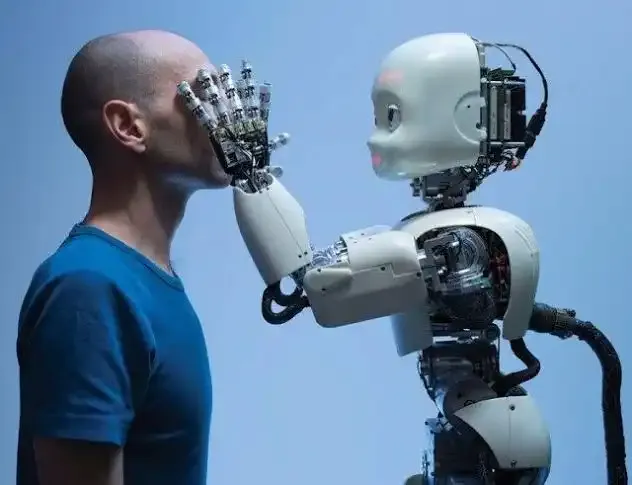
AI-powered robots are becoming more capable of understanding environments, performing tasks, and working alongside humans.
6. Smarter Transportation
AI is contributing to driver-assistance systems, traffic management, logistics, and the development of autonomous transportation.
7. Cybersecurity
AI can help detect unusual activity, identify potential threats, and strengthen digital security systems.
3# AI and Business Transformation
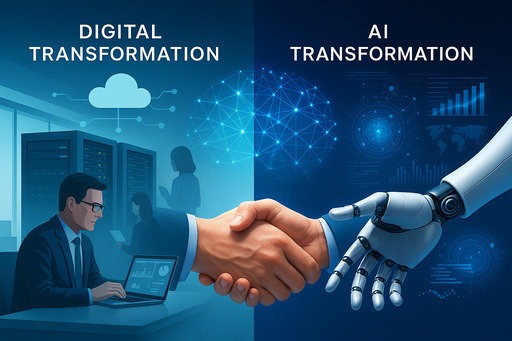
The technology revolution is particularly significant for businesses.
Companies can use AI to:
- Analyze large datasets
- Improve customer experiences
- Automate administrative tasks
- Generate marketing content
- Support employees
- Improve supply-chain operations
- Detect potential fraud
- Personalize recommendations
Small businesses can also benefit because cloud-based AI tools make advanced capabilities more accessible without requiring companies to build their own AI infrastructure.
4# AI and Education
The tech revolution is changing education through personalized digital learning.
AI tools can help students:
- Understand difficult concepts
- Practice skills
- Generate study materials
- Receive personalized feedback
- Organize research
- Improve writing and learning workflows
For example
Teachers can also use AI for administrative tasks and educational content creation. At the same time, schools need clear policies addressing academic integrity, accuracy, privacy, and responsible AI use.
5# AI and Robotics
AI and robotics are increasingly converging.
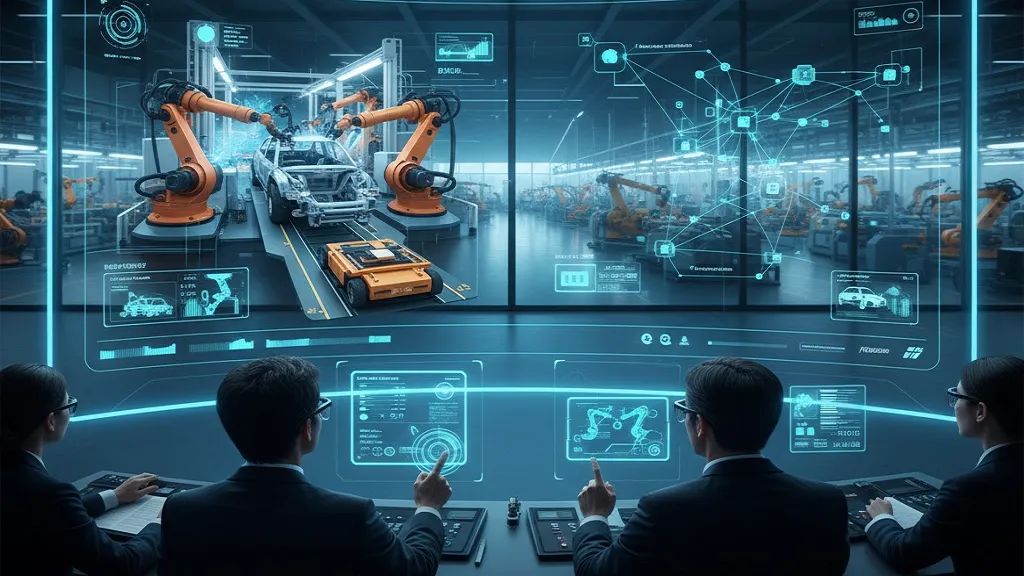
Modern robots can combine sensors, computer vision, machine learning, and advanced control systems to perform tasks in environments such as:
- Manufacturing
- Warehousing
- Healthcare
- Agriculture
- Logistics
- Research
This combination could make robots more flexible and capable of handling tasks that previously required extensive human supervision.
6# AI in Transportation
Transportation is another important part of the tech revolution.
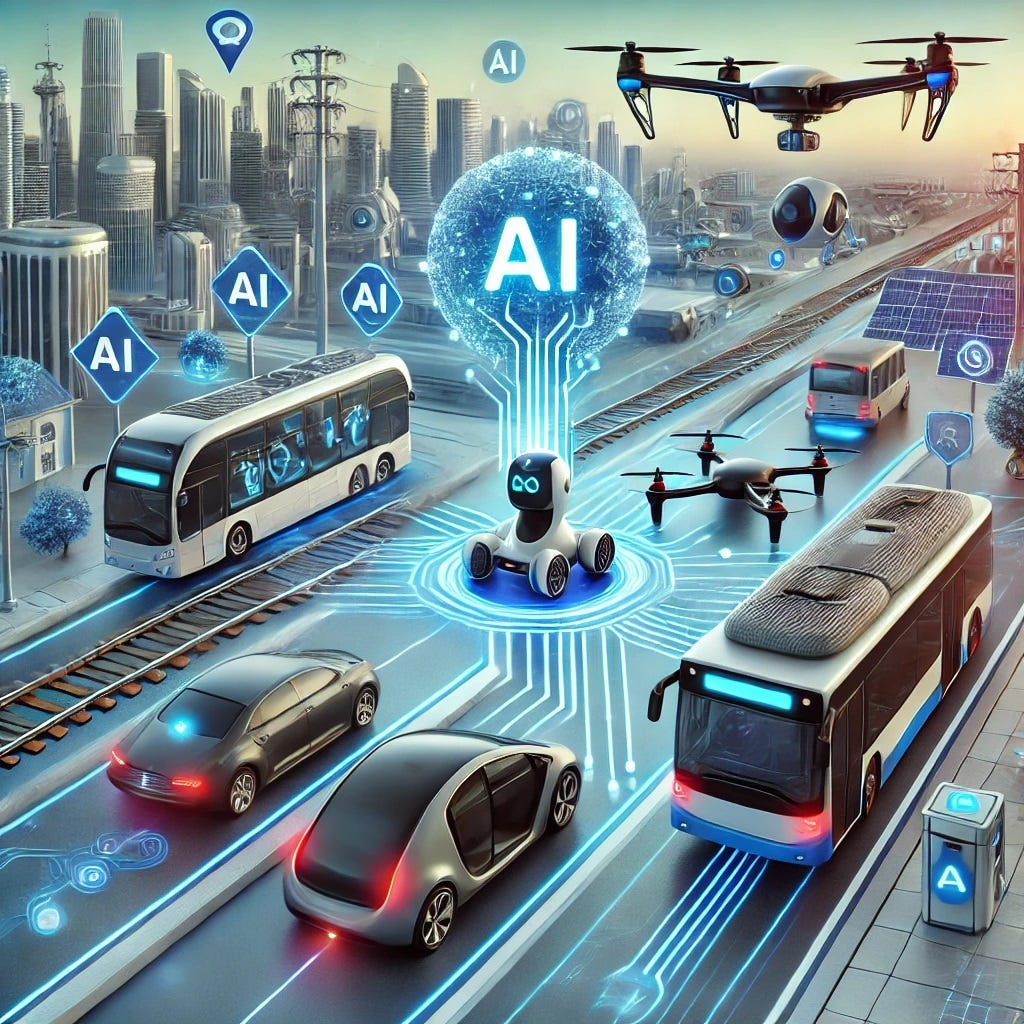
AI is being used for:
- Driver-assistance technology
- Traffic optimization
- Route planning
- Fleet management
- Predictive maintenance
- Autonomous-system research
The goal is to make transportation more efficient, safer, and increasingly automated, although fully autonomous transportation still presents substantial technical, regulatory, and safety challenges.
7# Benefits of the Tech Revolution
- Increased productivity
- Faster decision-making
- Greater automation
- Improved personalization
- New business opportunities
- Better data analysis
- More innovative products and services
- Improved efficiency across industries
8# Disadvantages of the Tech Revolution
- Job displacement in some roles
- Privacy concerns
- Cybersecurity risks
- High implementation costs
- Dependence on technology
- AI bias and inaccurate outputs
- Growing digital inequality
9# How Businesses Can Prepare for the AI Tech Revolution
Businesses can take several practical steps:

- Identify useful AI applications rather than adopting technology simply because it is popular.
- Train employees to work effectively with AI systems.
- Protect sensitive data through strong security and access controls.
- Create AI governance policies covering privacy, accuracy, transparency, and responsible use.
- Start with manageable projects and measure their results.
- Keep humans involved in important decisions where judgment and accountability matter.
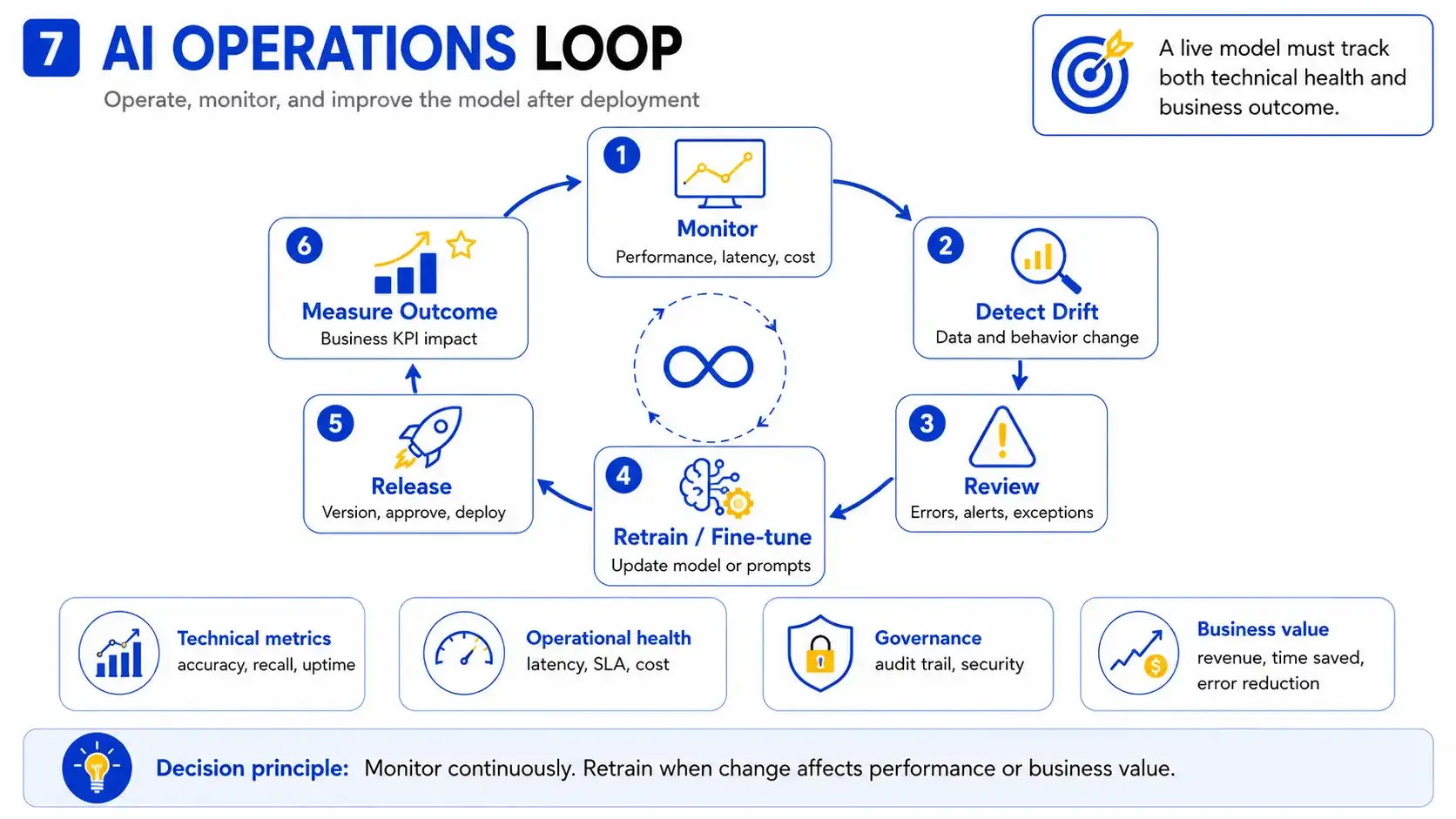
- Regularly evaluate AI systems as models, regulations, and business requirements change.
10# Future of the Tech Revolution
The next stage of technological development will likely focus on more capable AI systems, robotics, intelligent software, connected devices, and human-AI collaboration. Organizations that adopt these technologies responsibly can gain new opportunities while managing risks involving privacy, security, employment, and trust.
Conclusion
The Tech Revolution AI Powering 2026 represents a major shift toward smarter, faster, and more automated technology. AI is not simply improving existing products.it is helping create entirely new ways to work, communicate, manufacture, and innovate. The organizations and individuals that learn to use AI effectively will be better positioned for the rapidly changing digital future.