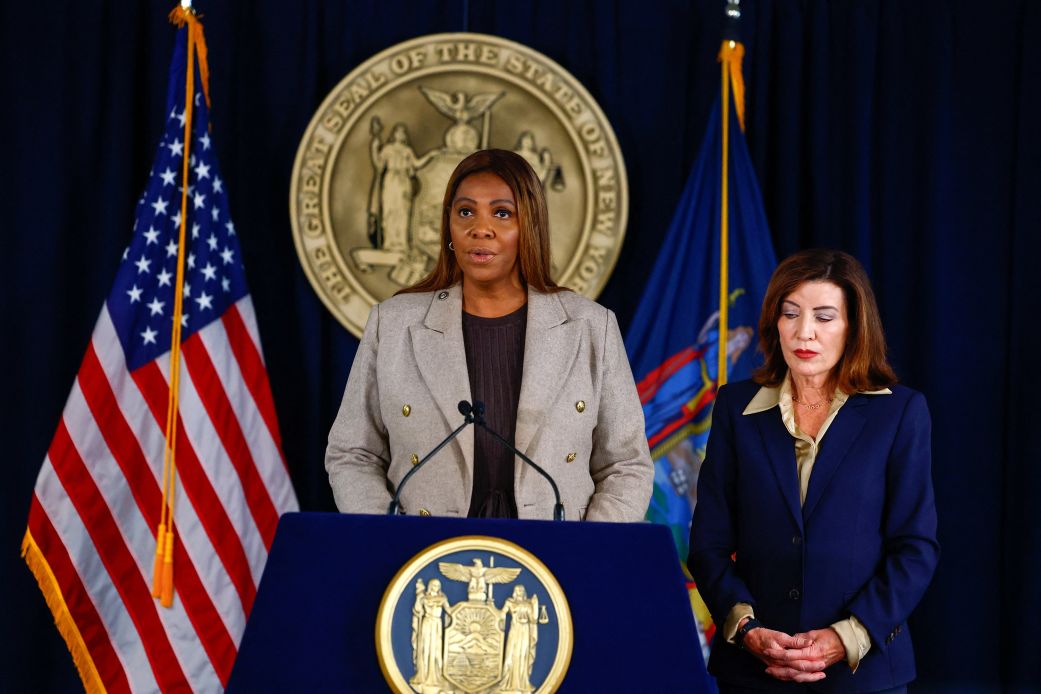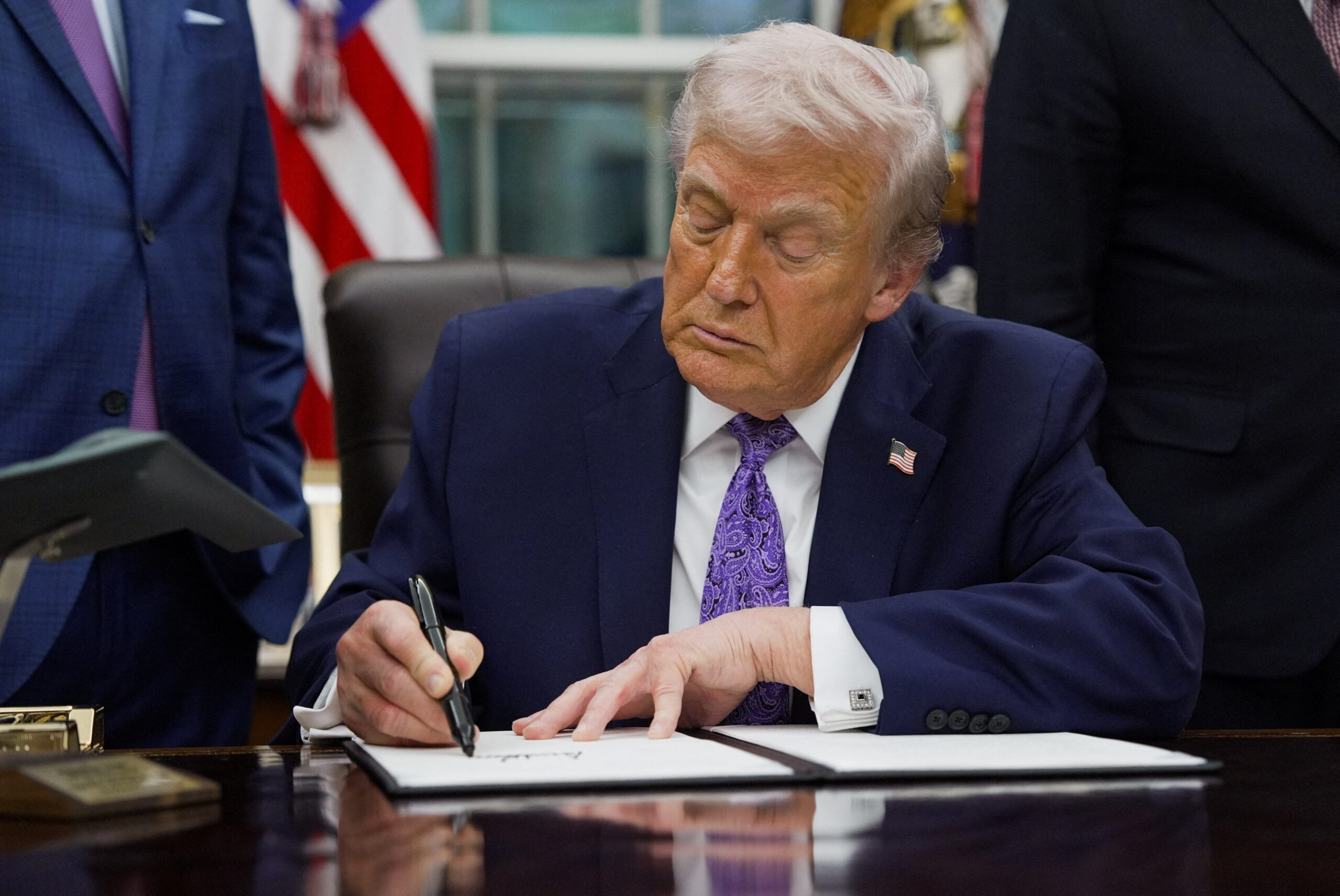
The fight over federal funding for New York’s subway system has become part of a broader conflict between the Trump administration and New York officials. The administration has threatened or withheld different categories of transportation and security funding while arguing that New York must address safety, crime, and other policy concerns.
What Is Trump’s Subway Funding Threat?
In August 2025, the U.S. The Department of Transportation warned that as much as 25% of federal transit funding for the Metropolitan Transportation Authority (MTA) could be withheld if the agency failed to submit a new comprehensive assessment addressing safety risks to subway maintenance workers. The administration had also demanded information about subway crime and safety earlier in 2025, warning that federal funding could be redirected or withheld if concerns were not addressed. This means the issue is broader than simply “defunding the subway.” Different federal funding streams have been targeted or threatened at different times, including transit, security and major infrastructure programs.
Why Does Funding Matter?
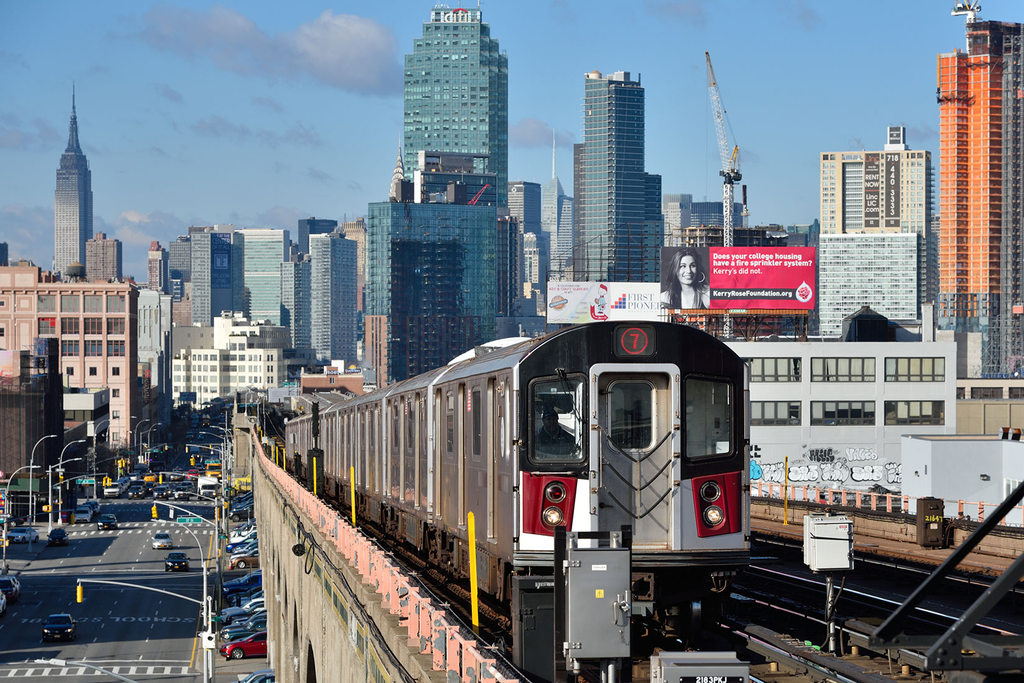
The MTA operates the New York City subway and relies on federal money for portions of its capital improvements and security programs.
Federal funding can support projects involving:
- Subway modernization
- Stations and accessibility
- Track and signal improvements
- Worker safety
- Security equipment
- Anti-terrorism programs
- New transportation infrastructure
A reduction in federal support could therefore affect the pace or financing of major improvements.
AI Perspective What Can AI Tell Us?
AI can help analyze the potential consequences of funding decisions by combining transportation, financial and operational data.
1. Funding Impact Analysis
AI models could examine how a reduction in federal funding might affect:
Funding → construction → maintenance → reliability → passengers
This could help officials identify which projects are most vulnerable.
2. Predictive Maintenance
AI-powered predictive maintenance can analyze equipment data to identify potential failures before they become major problems.
For a subway network, this could involve monitoring:
- Signals
- Track equipment
- Switches
- Trains
- Power systems
- Escalators and elevators
The goal is to reduce unexpected failures and improve reliability.
3. Subway Safety
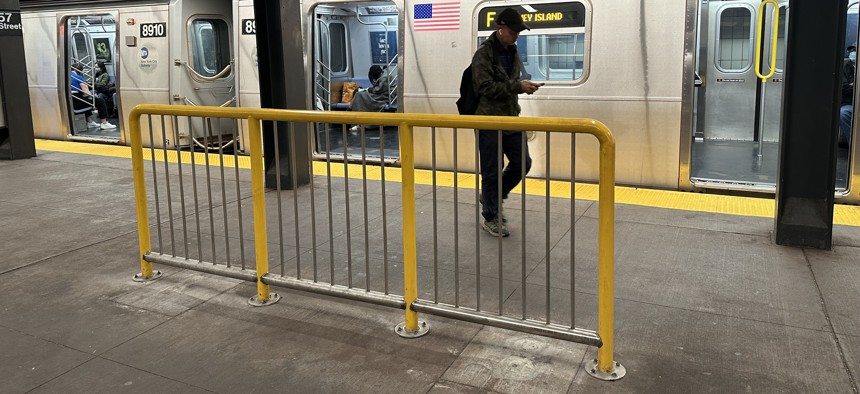
AI-powered cameras and analytics can potentially identify unusual activity, overcrowding or safety hazards and alert human personnel.
However,
These systems should be subject to privacy protections and human oversight. AI should assist, rather than independently determine, policing or enforcement decisions.
4. Budget Optimization
AI could help transportation officials compare different investment strategies.
Example:
Scenario A: Reduce maintenance spending
Scenario B: Delay expansion projects
Scenario C: Prioritize safety upgrades
Scenario D: Accelerate modernization
An AI model could estimate the possible effects of each scenario using historical transportation data.
The Legal and Political Battle
The funding dispute has already reached the courts. In October 2025, a federal judge blocked the Trump administration from withholding nearly $34 million in counterterrorism funding designated for the MTA and NYPD, ruling that the administration’s action violated federal administrative law. In March 2026, the MTA also sued the Trump administration over nearly $60 million in federal funding that the agency said was being withheld from planned Manhattan subway station projects. These cases demonstrate that federal funding decisions can become complicated legal disputes rather than straightforward budget cuts.
Could AI Reduce the Impact?
AI cannot replace lost federal dollars, but it could potentially help agencies use available resources more efficiently.
Possible applications include:
- AI scheduling to optimize maintenance crews
- Predictive maintenance to reduce costly failures
- Crowd forecasting to improve staffing
- Energy optimization to reduce operating expenses
- Fraud detection to identify financial irregularities
- Construction analytics to monitor project delays
- Emergency prediction to improve response planning
The technology could therefore become particularly valuable if transportation agencies face tighter budgets.
A Bigger Transit Funding Debate
The NYC dispute also fits into a larger national debate over federal transportation spending. President Trump’s proposed FY2027 budget called for major reductions in federal public-transit and passenger-rail funding, according to transportation advocates.
How much should the federal government invest in urban public transportation?
Supporters of greater federal funding argue that major transit systems are essential to economic activity, mobility and safety. Critics argue that transportation agencies should improve efficiency and accountability while reducing dependence on federal money.
Advantages of Using AI in the Subway
1. Faster decision-making
AI can process large volumes of transportation data quickly.
2. Lower maintenance costs
Predictive systems may identify problems before expensive failures occur.
3. Improved safety monitoring
AI can help identify potential hazards and unusual patterns.
4. Better resource allocation
Agencies can compare projects and prioritize high-impact investments.
5. Improved passenger experience
AI can help predict delays and optimize service planning.
Risks and Disadvantages
Potential problems include:
- Privacy concerns
- Algorithmic bias
- Incorrect predictions
- Cybersecurity threats
- High implementation costs
- Dependence on high-quality data
- Excessive surveillance
- Human operators over-trusting automated recommendations
For a public transportation system serving millions of people, these risks require strong governance.
Final Thought
AI Examines Trump’s Subway Funding Threat highlights the intersection of politics, transportation, public safety, infrastructure and technology. Federal funding remains important to New York’s transit modernization, while AI could help the MTA make better use of whatever resources are available. But AI cannot solve a funding dispute or replace political and legal decisions.
The central lesson is simple:
smarter technology can improve the subway, but sustainable funding and accountable leadership remain essential.