










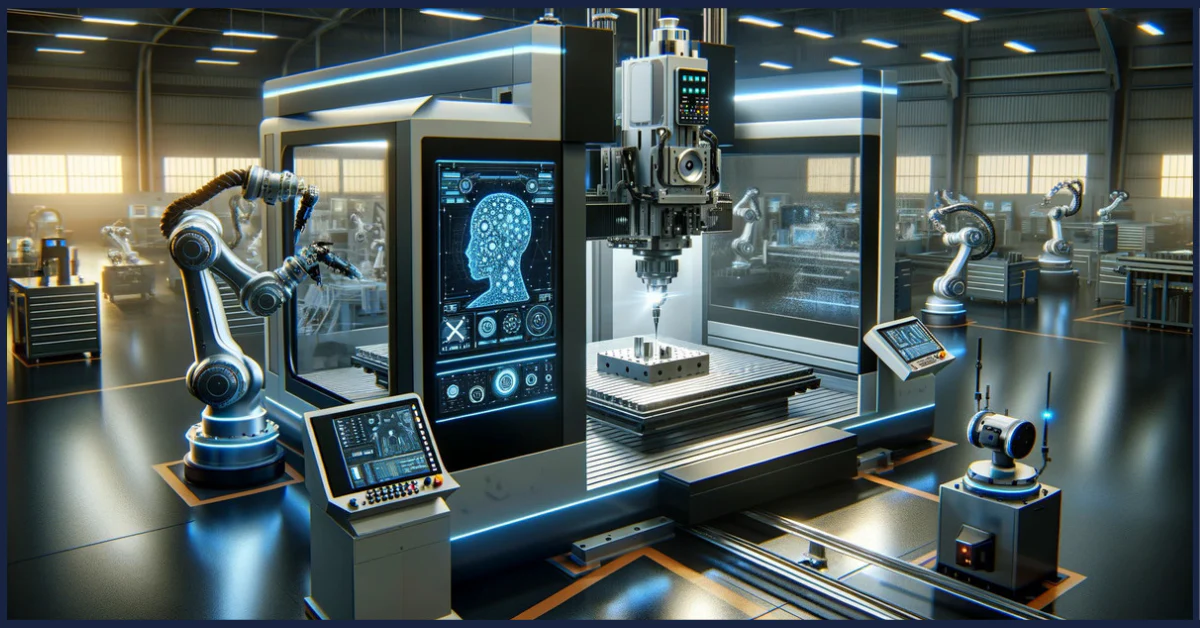
AI is transforming aluminum CNC machining by making manufacturing faster, more precise, and more efficient. As industries such as aerospace, automotive, medical devices, and electronics demand lighter and higher-performing components, AI-powered technologies are helping manufacturers optimize every stage of the machining process.
1. Why Aluminum Remains the Material AI Optimizes Around
Excellent Machinability
Aluminum is one of the easiest engineering metals to machine. Its relatively low hardness allows for higher cutting speeds, reduced tool wear, and shorter cycle times compared to many other metals. AI systems can further optimize machining parameters—such as spindle speed, feed rate, and toolpath strategy—to achieve even greater efficiency while maintaining tight tolerances.
High Strength-to-Weight Ratio
AI-assisted design tools, including generative design and topology optimization, capitalize on this property by creating components that remove unnecessary material while preserving mechanical performance. The result is lighter, stronger parts that improve fuel efficiency, energy consumption, and overall product performance.
Excellent Thermal Conductivity
Aluminum dissipates heat efficiently during machining, helping reduce thermal distortion and maintain dimensional accuracy. AI monitoring systems use real-time sensor data to optimize cutting conditions and coolant delivery, ensuring consistent machining performance while minimizing the risk of overheating.
Corrosion Resistance
This durability makes aluminum well suited for demanding environments such as aerospace, marine, and automotive applications. AI-powered manufacturing ensures these components are produced with consistent precision, reducing defects that could compromise long-term reliability.

Compatibility with High-Speed Manufacturing
Modern CNC machines are capable of extremely high spindle speeds, and aluminum performs exceptionally well under these conditions. AI continuously analyzes machine performance, vibration, cutting forces, and tool wear to adjust machining parameters dynamically. This allows manufacturers to maintain high productivity without sacrificing quality.
Material Efficiency and Sustainability
Reducing waste is a key objective of AI-driven manufacturing. AI helps optimize material utilization by minimizing scrap, improving nesting strategies, and reducing unnecessary machining operations, contributing to more sustainable production.
Broad Industrial Adoption
Aluminum’s versatility has made it a standard material across numerous industries, including:
- Aerospace structural components
- Electric vehicle battery housings
- Automotive chassis and engine parts
- Medical equipment
- Consumer electronics enclosures
- Robotics and automation systems
- Industrial machinery
Continuous Learning Through Data
Every machining operation generates valuable production data. AI systems analyze this information to identify patterns that improve future machining strategies.
2. AI-Optimized Toolpaths and Machining Parameters
AI-optimized toolpaths and machining parameters are transforming CNC manufacturing by enabling faster, more precise, and more efficient production.
Intelligent Toolpath Optimization
AI can optimize toolpaths by:
- Reducing unnecessary tool movements
- Shortening cycle times
- Maintaining consistent cutter engagement
- Minimizing rapid direction changes
- Improving surface finish
- Reducing tool wear
The result is increased productivity without compromising part quality.
Adaptive Machining Parameters
Cutting parameters—including spindle speed, feed rate, depth of cut, and step-over—have a significant impact on machining performance. AI continuously monitors machine and sensor data to adjust these parameters during production instead of relying on fixed values.
Real-time optimization helps:
- Maintain stable cutting conditions
- Reduce chatter and vibration
- Prevent excessive heat buildup
- Improve dimensional accuracy
- Extend cutting tool life
This adaptive approach is especially beneficial when machining complex aluminum components with varying wall thicknesses or intricate features.
Real-Time Sensor Feedback
Modern AI systems integrate data from multiple sensors installed on CNC machines, including:
- Spindle load
- Cutting force
- Vibration
- Temperature
- Acoustic emissions
- Tool position
By analyzing these signals continuously, AI can detect abnormal cutting conditions and make immediate adjustments before they affect product quality.
Predictive Tool Management
AI also improves tool management by tracking wear patterns and estimating the remaining useful life of cutting tools. Instead of replacing tools on fixed schedules, manufacturers can replace them only when necessary.
Benefits include:
- Fewer unexpected tool failures
- Lower tooling costs
- Reduced machine downtime
- More consistent machining quality
Enhanced Surface Quality
Optimized toolpaths combined with adaptive machining parameters help produce smoother surfaces with fewer defects. AI minimizes variations in cutting forces that can lead to tool marks, burrs, or dimensional inconsistencies, reducing the need for secondary finishing operations.
Improved Material Utilization
Efficient machining strategies remove only the material required while minimizing waste. AI helps optimize cutting sequences and machining operations to improve material utilization, especially when producing high-value aluminum components for aerospace, automotive, and medical applications.

Simulation and Digital Validation
Before machining begins, AI-powered simulation software can evaluate multiple machining strategies within a virtual environment. Manufacturers can identify potential issues such as collisions, excessive tool loading, or inefficient cutting paths before production starts.
This reduces:
- Programming errors
- Machine setup time
- Scrap rates
- Production delays
Benefits of AI-Optimized Machining
Manufacturers implementing AI-driven toolpath optimization can achieve several advantages:
- Faster production cycles
- Higher machining accuracy
- Longer cutting tool life
- Reduced scrap and rework
- Lower operating costs
- Improved machine utilization
- Greater process consistency
- Enhanced product quality
Future Developments
As AI technologies continue to advance, CNC machining systems are becoming increasingly autonomous. Future systems will combine machine learning, digital twins, Industrial Internet of Things (IIoT) connectivity, and cloud analytics to continuously refine toolpaths and machining parameters based on data collected across entire manufacturing operations.
Conclusion
AI-optimized toolpaths and machining parameters are redefining modern CNC machining by replacing static programming with intelligent, data-driven decision-making. Through real-time monitoring, adaptive cutting strategies, predictive tool management and virtual process simulation, manufacturers can produce high-quality aluminum components more efficiently while reducing costs, improving consistency, and maximizing machine performance.