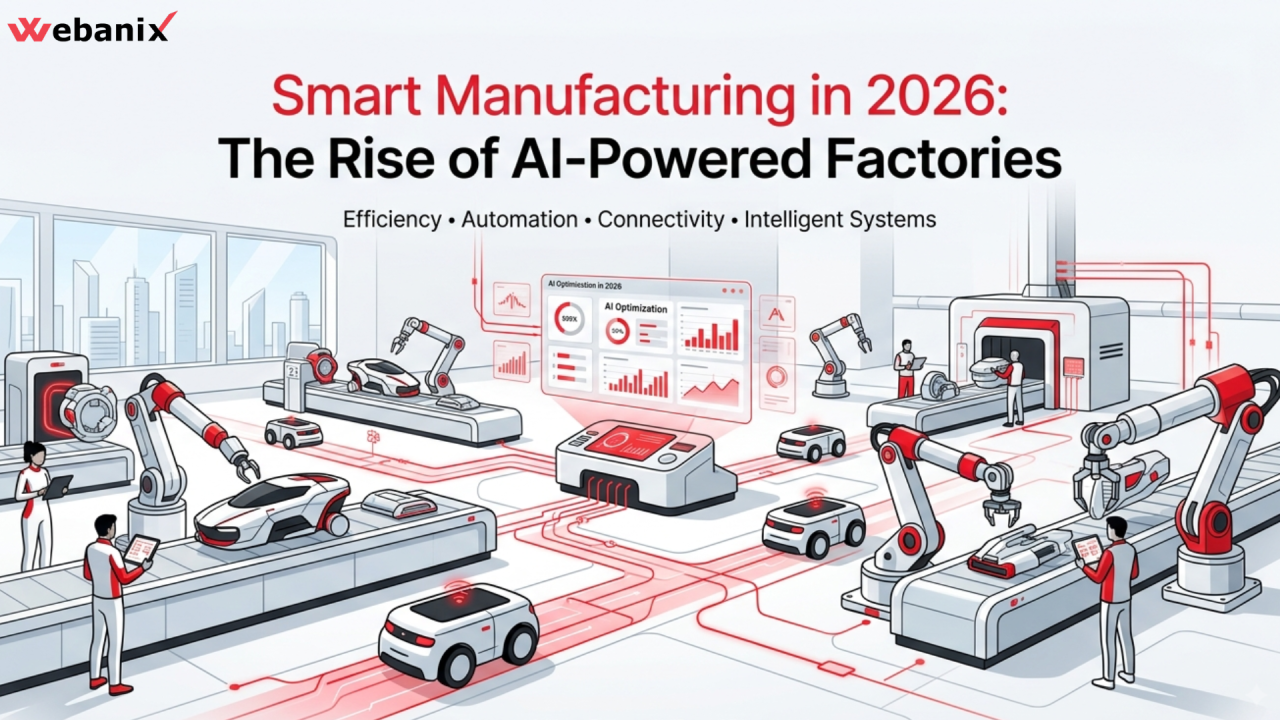
AI Small Factory refers to a small-scale manufacturing operation that uses artificial intelligence, automation, robotics, sensors, and connected software to improve production. In 2026, these technologies are becoming increasingly accessible to smaller manufacturers, allowing them to compete through efficiency, flexibility, and data-driven decision-making.
What Is an AI Small Factory?
An AI small factory is a manufacturing facility where AI supports some or many production activities, such as:
- Quality inspection
- Production planning
- Predictive maintenance
- Inventory management
- Robotics
- Demand forecasting
- Energy management
- Supply-chain optimization
- Customer-order processing
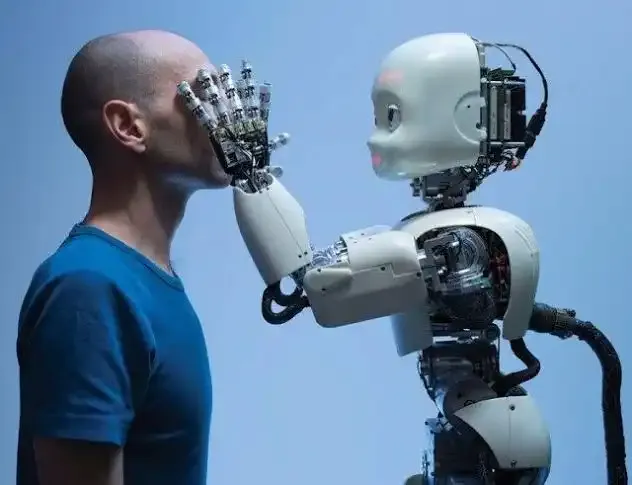
The objective isn’t necessarily to replace every human worker. Instead, AI can handle repetitive analysis and assist employees with faster, more accurate decisions.
How AI Is Transforming Small Factories
1. Smart Production Planning
Traditional production planning often relies on spreadsheets and manual estimates. AI can analyze orders, inventory, machine availability, production capacity, and delivery requirements to help determine efficient production schedules.
This can reduce bottlenecks and improve the use of machinery.
2. Predictive Maintenance
Unexpected machine failure can be particularly expensive for a small manufacturer.
Sensors can collect information such as:
- Temperature
- Vibration
- Pressure
- Motor performance
- Operating hours
- Energy consumption
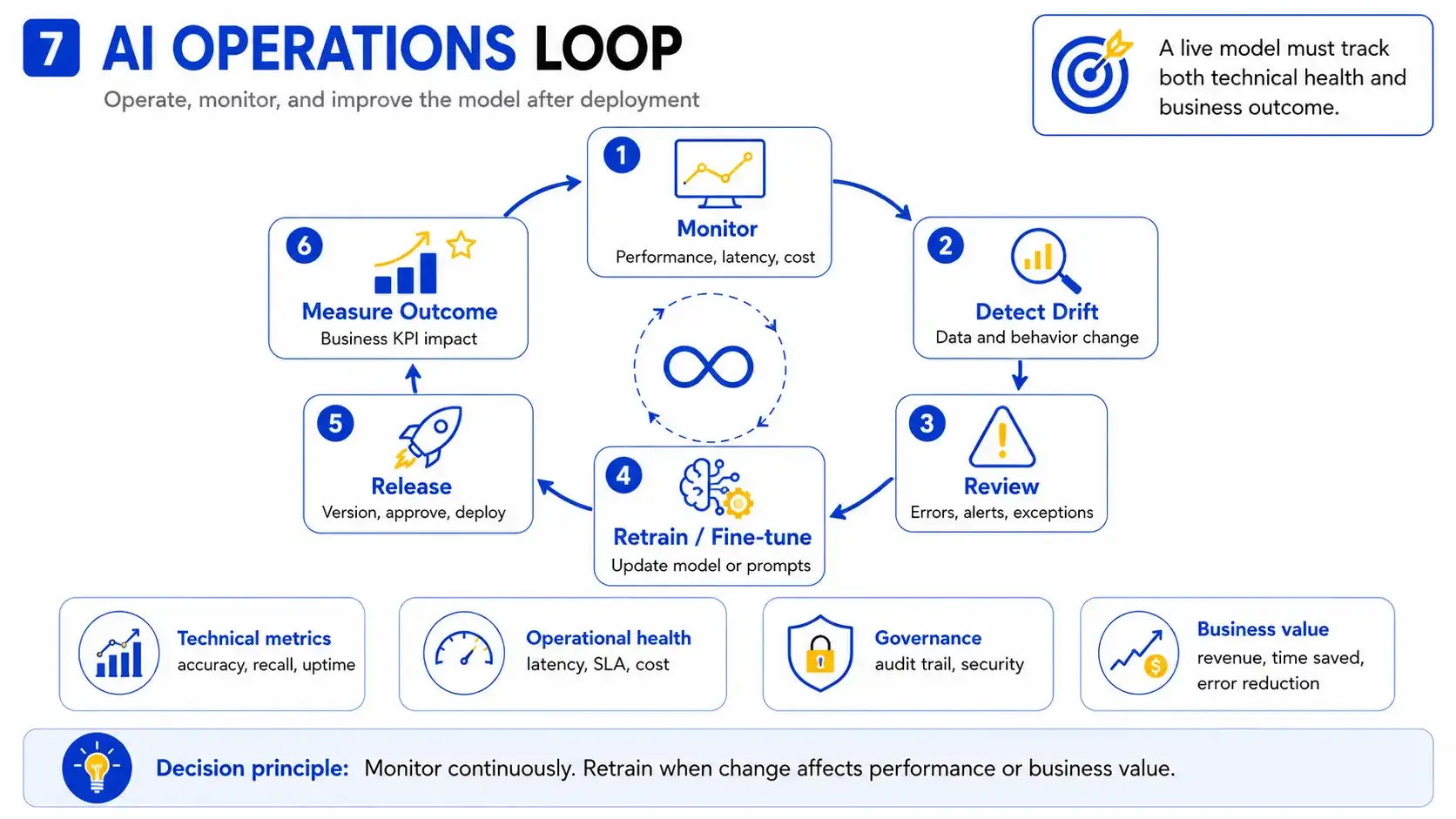
AI can analyze these patterns and identify signs that equipment may require maintenance. Instead of waiting for a machine to fail, operators can potentially schedule maintenance earlier.
3. AI Quality Control
Computer vision can inspect products as they move through a production line.
AI-based inspection can potentially identify:
- Scratches
- Incorrect dimensions
- Missing components
- Surface defects
- Assembly errors
- Packaging problems
This can provide small factories with consistent inspection while allowing human workers to concentrate on complex quality decisions.
AI and Factory Robotics
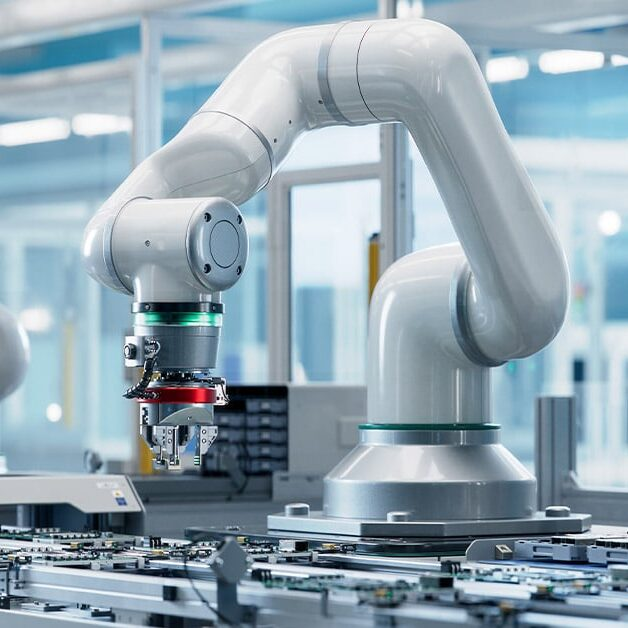
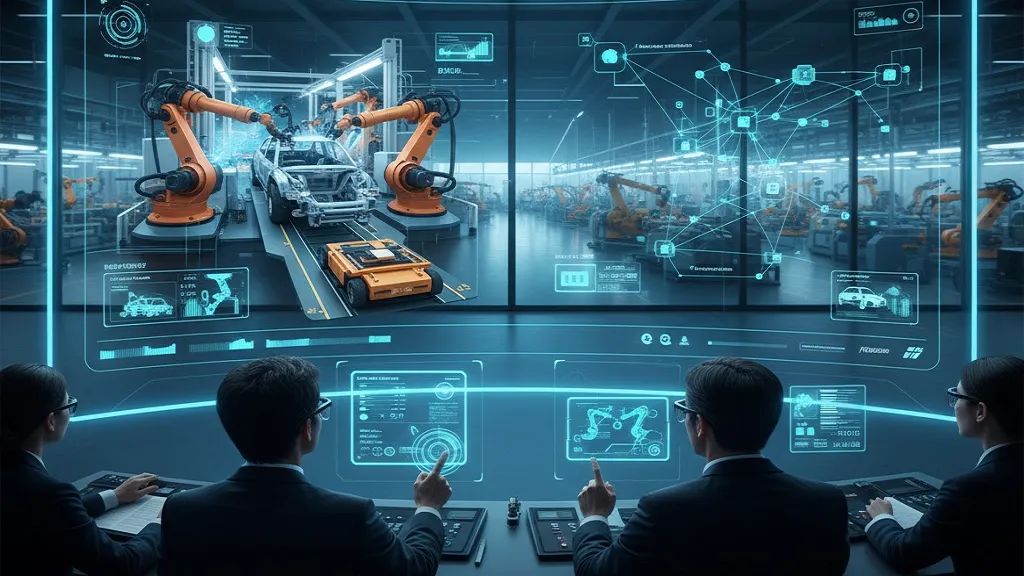
Robotics has traditionally been associated with large automotive and industrial facilities, but smaller manufacturers can also use more flexible robotic systems.
Examples include:
Collaborative robots (cobots): Designed to work alongside people in suitable applications.
Automated guided vehicles: Used to move materials around facilities.
Robotic arms: Can perform repetitive assembly, picking, packaging, or handling tasks.
Vision-guided robots: Combine cameras and software to identify and manipulate objects.
AI can make these systems more adaptable by helping them interpret sensor and visual information.
AI Inventory Management
Excess inventory ties up capital, while insufficient inventory can stop production.
AI-powered inventory systems can analyze:
- Historical sales
- Current orders
- Supplier lead times
- Seasonal demand
- Inventory levels
- Production schedules
This information can help businesses determine when materials should be reordered.
For small factories operating with limited cash flow, better inventory management can be particularly valuable.
AI Energy Optimization
Manufacturing equipment can consume significant amounts of electricity.
An AI system can analyze energy usage across machines and identify patterns such as:
- High-consumption equipment
- Idle machinery
- Unusual energy spikes
- Inefficient operating schedules
Factories can then adjust production schedules or equipment settings to reduce unnecessary energy consumption.
Benefits of an AI Small Factory
Lower Operating Costs
Automation and better planning can reduce waste, downtime, and unnecessary resource consumption.
Higher Productivity
AI can help employees make faster production and scheduling decisions.
Better Quality
Automated inspection can detect defects consistently.
Reduced Downtime
Predictive maintenance can identify potential equipment problems before they become major failures.
Greater Flexibility
Digital manufacturing systems can make it easier to adjust production according to changing customer demand.
Better Decision-Making
Factory managers can use real-time production data instead of relying entirely on historical reports.
AI Small Factory vs. Traditional Factory
| Feature | Traditional Factory | AI Small Factory |
| Production planning | Mostly manual | Data-assisted |
| Quality control | Human inspection | AI + human inspection |
| Maintenance | Scheduled/reactive | Predictive |
| Inventory | Manual tracking | Automated analytics |
| Machines | Standalone | Connected |
| Reporting | Periodic | Near real-time |
| Decision-making | Experience-based | Data + expertise |
How Small Businesses Can Start
A small manufacturer does not need to build a completely autonomous factory immediately.
A practical approach is to start with one high-value problem.
Step 1: Identify a Bottleneck
Find the process causing the greatest cost, delay, waste, or quality problems.
Step 2: Collect Data
Connect relevant machines and systems where practical. Useful data may include production times, machine conditions, defects, downtime, and inventory.
Step 3: Start With One AI Application
Predictive maintenance, visual quality inspection, or demand forecasting can be reasonable starting points.
Step 4: Measure Results
Track metrics such as:
- Downtime
- Defect rates
- Production output
- Labor hours
- Energy consumption
- Material waste
Step 5: Expand Gradually
Once an AI system demonstrates measurable value, the factory can extend automation to other processes.
Challenges of AI Small Factories
AI isn’t a magic solution, and small manufacturers face several challenges.
Initial Investment
Sensors, cameras, robots, software, integration, and training can require significant investment.
Skills Gap
Employees may need training in data analysis, automation, robotics, and AI-assisted manufacturing.
Data Quality
AI systems depend on useful data. Poor or incomplete data can produce unreliable results.
Cybersecurity
Connected factories create additional digital entry points. Manufacturing networks therefore need appropriate security controls.
Integration
New AI systems may need to work with existing machinery and manufacturing software, which can make implementation complicated.
Workforce Concerns
Automation can change job responsibilities. Successful implementation should include employee training and clear communication rather than treating technology as simply a replacement for workers.
The Role of Humans
The smartest small factory isn’t necessarily one with the fewest workers. Instead, AI can take over repetitive monitoring and analysis while employees focus on:
- Engineering
- Troubleshooting
- Creativity
- Complex quality decisions
- Equipment supervision
- Process improvement
- Customer requirements
This creates a human + AI manufacturing model.
Future of AI Small Factories
The next generation of small factories could become increasingly connected.
A future production system might work like this:
Customer order → AI demand analysis → Automated scheduling → Robotic production → AI quality inspection → Smart inventory update → Automated shipping
Such systems could allow smaller businesses to respond quickly to market changes without requiring the enormous infrastructure of traditional mass-production facilities. AI could also contribute to digital twins, where software models represent real manufacturing processes and help companies test production changes before implementing them on the factory floor.
Final Thoughts
AI Small Factory Smarter Manufacturing in 2026 represents a shift toward more flexible, connected, and data-driven production. Small manufacturers can use AI for quality control, predictive maintenance, production planning, inventory, energy management, and robotics. The strongest strategy is not to automate everything at once. Start with one measurable problem, prove the value, train employees, and gradually expand. For small manufacturers, that approach can make AI more practical while building a smarter and more competitive factory for the future.