Next-Gen is short for next-generation. It describes products, systems, services, or technologies developed with newer capabilities and intended to significantly improve on or eventually replace existing solutions.
In 2026, the term is especially associated with AI, autonomous systems, advanced computing, robotics, cybersecurity, connected devices, biotechnology, and new energy technologies.
1. What Does Next-Gen Mean?
A technology can be called next-gen when it offers meaningful improvements in areas such as
- Performance
- Speed
- Automation
- Intelligence
- Efficiency
- Connectivity
- Security
- Scalability
- Personalization
- User experience
For example, a conventional software application may require users to perform every step manually, while a next-gen AI application may understand goals, reason through tasks, use tools, and complete multiple steps automatically.
2. Major Next-Gen Technologies
1. Artificial Intelligence
AI is one of the most important foundations of next-gen technology.
Applications include:
- Predictive analytics
- Computer vision
- Natural-language processing
- Recommendation systems
- Automated decision support
- AI-powered search
- Intelligent customer service
2. Generative AI
Generative AI can produce new content such as
- Text
- Images
- Video
- Audio
- Software code
- Presentations
- Business documents
It is increasingly being incorporated directly into business applications rather than remaining separate too
3. AI Agents and Multi-Agent Systems

Next-gen AI is moving from simply answering questions toward performing tasks.
AI agents can potentially:
- Understand an objective
- Plan a sequence of actions
- Access software or databases
- Execute tasks
- Evaluate results
- Escalate difficult cases to humans
Gartner identifies multiagent systems as one of its strategic technology trends for 2026
4. Physical AI and Robotics
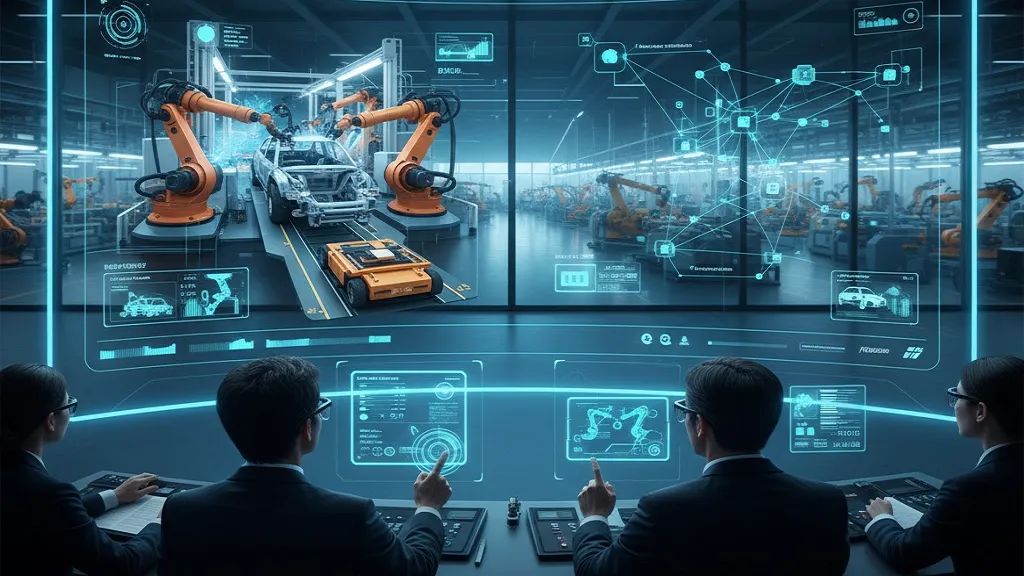
Physical AI combines intelligence with machines operating in the real world.
Examples include:
- Humanoid robots
- Industrial robots
- Autonomous vehicles
- Drones
- Warehouse robots
- Smart manufacturing equipment
Forrester highlights the movement of AI from digital workflows into physical environments, including robots
5. Quantum Computing
Quantum computers use quantum-mechanical principles rather than conventional computing approaches.
Potential applications include:
- Drug discovery
- Materials science
- Optimization
- Financial modeling
- Cryptography
- Complex scientific simulations
However, broad commercial value remains a longer-term opportunity, and quantum computing still faces major technical challenges.
6. Edge AI
Edge AI processes AI workloads closer to where data is generated instead of sending everything to centralized cloud infrastructure.
This can improve:
- Response time
- Privacy
- Reliability
- Bandwidth efficiency
- Real-time decision-making
Examples include smart cameras, autonomous machines, industrial sensors, and connected vehicles.
7. Internet of Things
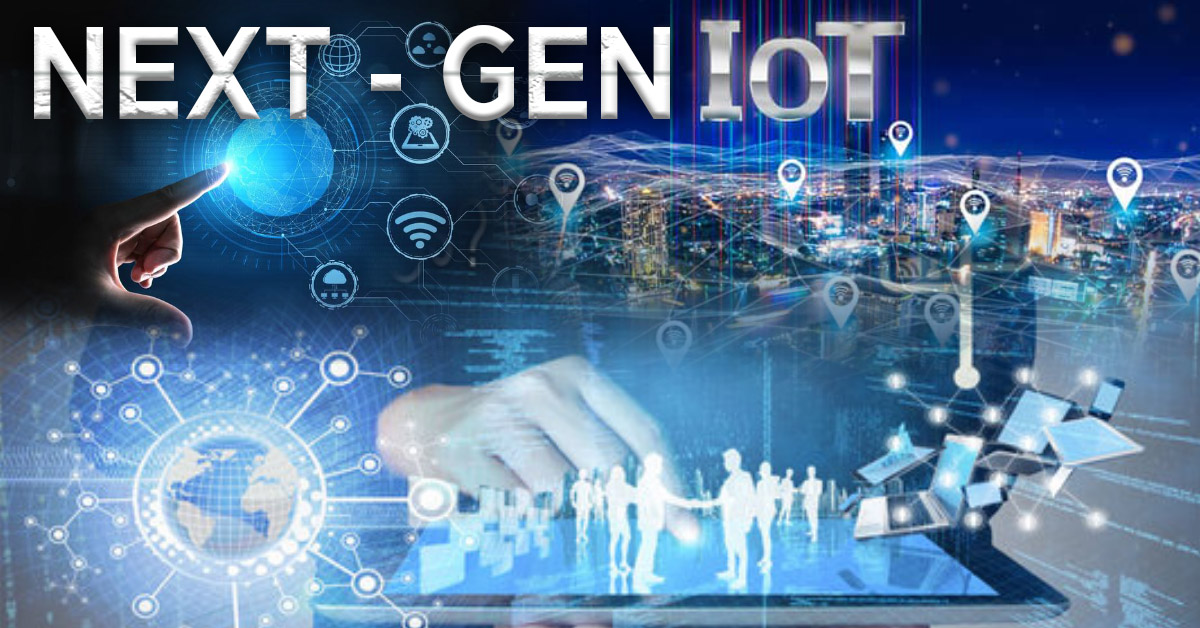
Next-gen IoT connects physical devices, sensors, machines, vehicles, and infrastructure.
A next-gen IoT system can combine:
Sensors → Connectivity → Edge computing → AI → Automated action
This can support smart factories, logistics, healthcare, agriculture, retail, and smart buildings.
8. Advanced Cybersecurity
As systems become more autonomous, cybersecurity becomes increasingly important.
Next-gen security includes:
- AI security platforms
- Zero-trust architectures
- Confidential computing
- Automated threat detection
- Identity intelligence
- Preemptive cybersecurity
- Digital provenance
Gartner lists preemptive cybersecurity, AI security platforms, confidential computing, and digital provenance among its 2026 strategic trends
9. Next-Gen Connectivity
Advanced connectivity includes technologies such as
- 5G and evolving cellular networks
- Satellite communications
- Direct-to-device connectivity
- Advanced Wi-Fi
- High-speed fiber
- Edge networks
IEEE’s 2026 predictions specifically identify satellite direct-to-cell/device communications as an important development for expanding connectivity.
10. Biotechnology and Health Technology
Next-gen healthcare increasingly combines:
AI + biology + data + advanced computing
Potential applications include:
- Personalized medicine
- AI-assisted drug discovery
- Digital diagnostics
- Genomics
- Adaptive therapies
- Medical robotics
- AI-assisted clinical workflows
The World Economic Forum’s 2026 emerging-technology report highlights AI-assisted scientific discovery and personalized healthcare applications
3. Next Gen Technology in Business
Businesses can use next-gen technologies to transform almost every major function.
| Business Area | Next-Gen Application |
| Marketing | Generative AI and predictive analytics |
| Sales | AI lead scoring and autonomous sales agents |
| Customer service | AI agents and conversational systems |
| HR | AI candidate matching and workforce analytics |
| Finance | Automated analysis and forecasting |
| Manufacturing | Robotics and predictive maintenance |
| Healthcare | AI diagnostics and personalized care |
| Logistics | Autonomous vehicles and intelligent routing |
| Cybersecurity | AI threat detection |
| Software | AI-native development |
| Supply chain | Predictive and autonomous planning |
4. Next-Gen Software Development
Software development is also changing.
Traditional development often follows:
Human writes code → Tests code → Deploys application
Next-gen development increasingly involves:
Human defines requirements → AI generates software → AI tests and reviews → Human validates → Automated deployment
Gartner identifies AI-native development platforms as a major 2026 strategic technology trend.
This can potentially allow smaller teams to build sophisticated applications faster.
5. Next-Gen Computing
The future of computing is likely to involve multiple computing architectures rather than one universal approach.
Important areas include:
- AI accelerators
- GPUs
- Specialized AI chips
- Quantum computing
- Neuromorphic computing
- Edge computing
- High-performance computing
- Confidential computing
- Cloud computing
The convergence of AI, quantum computing, advanced materials, IoT, and other technologies is becoming increasingly important
6. Next-Gen Energy
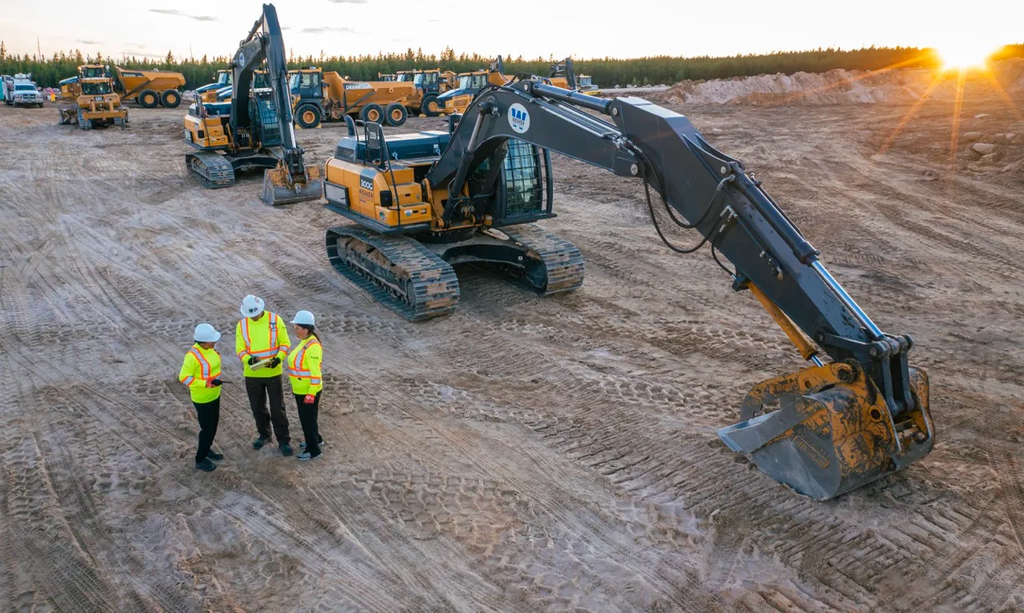
Technology innovation is also changing energy systems.
Examples include:
- Advanced batteries
- Smart electrical grids
- AI-powered energy management
- Vehicle-to-grid systems
- Advanced solar technologies
- Fusion research
- Hydrogen technologies
- Long-duration energy storage
The World Economic Forum’s 2026 emerging-technology list includes everything-to-grid technology, which allows stored energy in vehicles and other devices to interact with electrical grids.
7. Benefits of Next-Gen Technology
Major potential benefits include:
Higher productivity
Automation can reduce repetitive manual work.
Faster decisions
AI can analyze large amounts of information rapidly.
Lower costs
Automation and optimized processes can reduce operational expenses.
Better customer experiences
Systems can provide more personalized and responsive services.
Greater scalability
Businesses can handle increasing workloads without increasing staff at the same rate.
New products and services
Next-gen technology can create entirely new business models.
Improved scientific discovery
AI and advanced computing can accelerate research and experimentation.
8. Challenges
Next-gen technology isn’t automatically better. Organizations face several challenges:
- High implementation costs
- Cybersecurity threats
- Data privacy
- Regulatory uncertainty
- AI reliability
- Skills shortages
- Integration with legacy systems
- Energy consumption
- Infrastructure requirements
- Workforce disruption
- Ethical concerns
- Vendor dependency
Gartner notes that organizations need new skills and proactive strategies as advanced AI, next-generation computing, and biodigital technologies develop.
9. Next-Gen Technology Trends in 2026
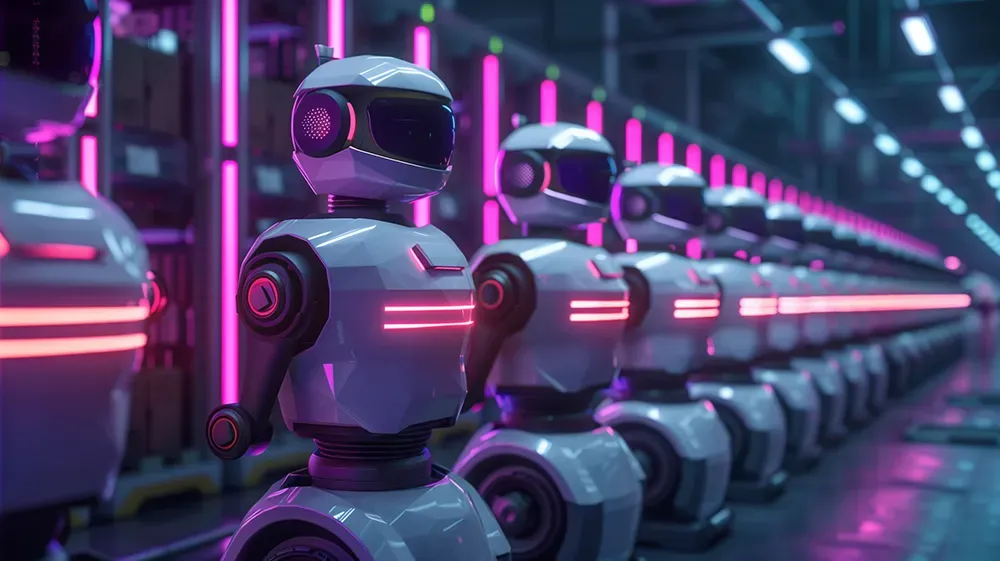
Several major directions stand out in 2026:
- AI-native software development
- AI agents
- Multi-agent systems
- Physical AI
- Humanoid robotics
- AI supercomputing
- Domain-specific AI models
- Confidential computing
- AI-powered cybersecurity
- Quantum computing
- Edge AI
- Advanced IoT
- Satellite connectivity
- AI-powered healthcare
- Advanced energy systems
Conclusion
Next-gen technology represents the next stage of innovation, bringing newer capabilities, improved performance, automation, connectivity, and efficiency to products and services. From AI and advanced computing to robotics, smart networks, healthcare, and energy systems, next-gen solutions are changing how people and businesses work. As these technologies continue to develop, organizations that adopt them strategically can improve productivity, create new opportunities, and remain competitive in a rapidly changing digital world.