
Introduction
AI Influencer Marketing is the use of artificial intelligence to improve every stage of influencer marketing, from identifying the right creators to measuring campaign performance. By analyzing vast amounts of data from social media platforms, AI helps brands discover influencers whose audiences, content style, and engagement align with their marketing objectives. As influencer marketing continues to grow across platforms such as Instagram, Tikor, YouTube, LinkedIn, and X, AI enables businesses to make data-driven decisions, maximize return on investment (ROI), and create more personalized marketing campaigns.
How AI Influencer Marketing Works
- Machine Learning: Learns from campaign data to improve influencer recommendations.
- Natural Language Processing (NLP): Analyzes captions, comments, hashtags, and audience sentiment.
- Computer Vision: Examines images and videos to identify products, logos, brand mentions, and visual themes.
- Predictive Analytics: Estimates campaign performance before launch.
- Data Analytics: Measures audience demographics, engagement quality, and conversion trends.
Key Features
AI searches millions of creator profiles to identify influencers based on niche, audience demographics, engagement rate, content quality, geographic location, and brand compatibility.
Audience Analysis
AI evaluates follower demographics, interests, purchasing behavior, location, language, and activity patterns to ensure brands reach their target audience.
Fraud Detection
AI detects fake followers, bot activity, purchased engagement, suspicious audience growth, and other indicators of influencer fraud, helping brands partner with authentic creators
Brand Compatibility Matching
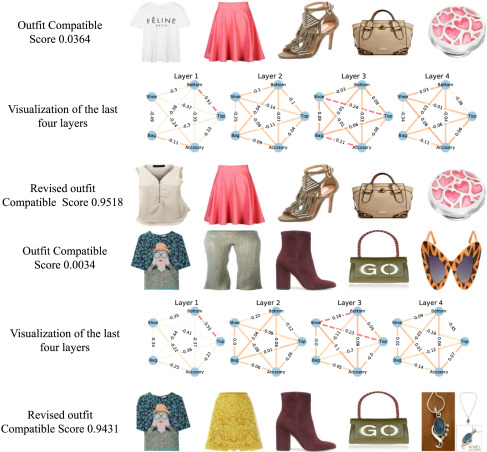
AI compares influencer values, tone of voice, content style, and audience interests with brand identity to recommend the most suitable partnerships.
Campaign Automation
AI streamlines influencer outreach, communication, scheduling, content approvals, contract management, and performance tracking, reducing manual effort.
Real-Time Campaign Monitoring
Brands can monitor impressions, reach, engagement, clicks, conversions, and audience sentiment in real time, allowing for quick campaign adjustments.
Benefits of AI Influencer Marketing
- Identifies high-quality influencers more efficiently.
- Improves campaign targeting and personalization.
- Reduces influencer fraud and fake engagement.
- Saves time through campaign automation.
- Optimizes marketing budgets by selecting high-performing creators.
- Provides deeper audience insights.
- Enhances campaign performance with predictive analytics.
- Delivers measurable ROI through detailed reporting.
Business Applications
- Fashion and apparel
- Beauty and cosmetics
- Consumer electronics
- Travel and hospitality
- Food and beverage
- Health and wellness
- E-commerce
- Gaming
- Education
- Financial services
Modern AI influencer marketing platforms rely on:

- Machine Learning
- Deep Learning
- Natural Language Processing (NLP)
- Computer Vision
- Recommendation Systems
- Predictive Analytics
- Sentiment Analysis
- Large Language Models (LLMs)
- Big Data Analytics
- Cloud Computing
Popular Use Cases
- Finding niche influencers
- Managing influencer campaigns at scale
- Detecting fake followers and engagement
- Optimizing campaign budgets
- Measuring influencer ROI
- Identifying emerging creators
- Tracking competitor influencer strategies
- Monitoring brand mentions and sentiment
- Personalizing influencer outreach
- Generating campaign performance reports
Challenges
- Privacy regulations may limit access to user data.
- AI predictions depend on the quality and accuracy of available data.
- Rapid changes in social media algorithms can affect campaign performance.
- Authentic creativity still requires human collaboration.
- Measuring long-term brand impact can be more complex than tracking short-term engagement metrics.
Future of AI Influencer Marketing
The future of AI Influencer Marketing will include more advanced predictive analytics, AI-generated campaign strategies, automated content optimization, multilingual audience analysis, virtual influencers, real-time performance optimization, and deeper integration with customer relationship management (CRM) systems. Generative AI will also support content ideation, personalized messaging, and campaign reporting while human marketers continue to guide creative direction and brand storytelling.
Conclusion
AI Influencer Marketing is reshaping how brands discover creators, build partnerships, and evaluate campaign success. By combining machine learning, natural language processing, computer vision, and predictive analytics, businesses can make smarter marketing decisions, reduce costs, improve campaign efficiency, and achieve stronger engagement. As AI technology advances, it will continue to play a central role in helping brands create authentic, data-driven, and impactful influencer marketing strategies.