1.Introduction
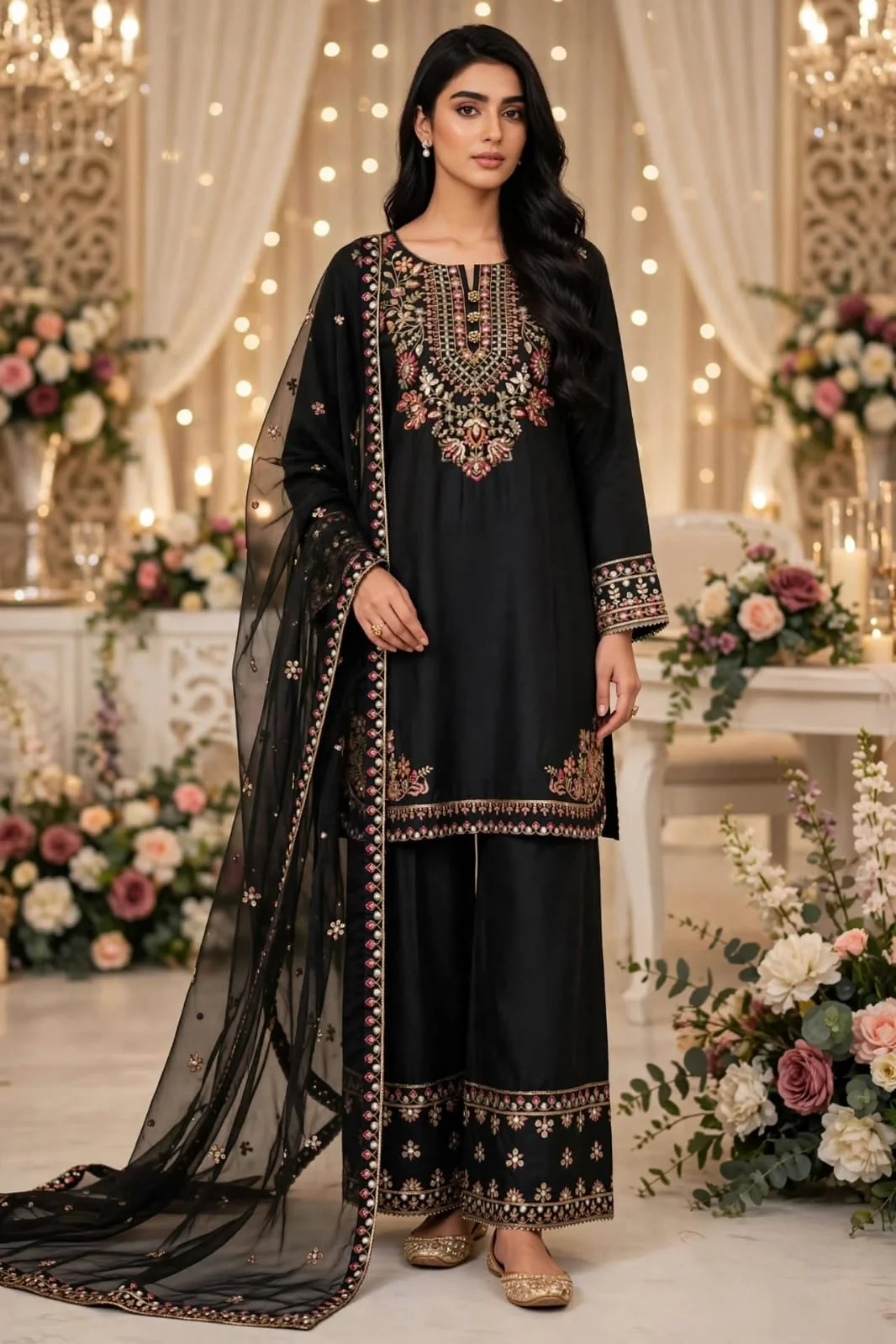
An AI Fashion Model Generator is an artificial intelligence-powered technology that creates realistic virtual fashion models for showcasing clothing, accessories, footwear, and beauty products. Instead of organizing traditional photoshoots with human models, brands can use AI to generate high-quality digital models in various poses, body types, ages, skin tones, and backgrounds. As the fashion industry embraces digital transformation, Fashion are helping retailers, designers, and e-commerce businesses reduce production costs, accelerate content creation, and deliver personalized shopping experiences.
2.What Is an AI Fashion Model Generator?
An Fashion uses advanced machine learning and generative AI to create lifelike fashion models from text prompts, clothing images, or product photographs. These virtual models can wear different outfits, pose naturally, and appear in studio or lifestyle environments without requiring a physical photo shoot. Many platforms also allow businesses to generate multiple model variations for different target audiences, making product marketing more inclusive and efficient.
3.How AI Fashion Model Generators Work
AI Fashion Model Generators combine several artificial intelligence technologies to produce realistic images.
1. Generative AI
Generative AI creates entirely new fashion model images based on prompts, style preferences, and product inputs.
2. Diffusion Models
Modern diffusion models generate high-resolution, photorealistic images while accurately rendering clothing textures, lighting, and shadows.
3. Computer Vision
Computer vision identifies garment features such as fabric, color, fit, and design to ensure clothing appears natural on AI-generated models.
4. Machine Learning
Machine learning improves image quality over time by learning from millions of fashion photographs and user feedback.
5. Pose Estimation
AI generates natural poses and body movements that realistically display clothing from multiple angles.
6. Image Enhancement
AI automatically improves lighting, skin tones, backgrounds, image sharpness, and overall visual quality.
4.Key Features
Realistic Virtual Models
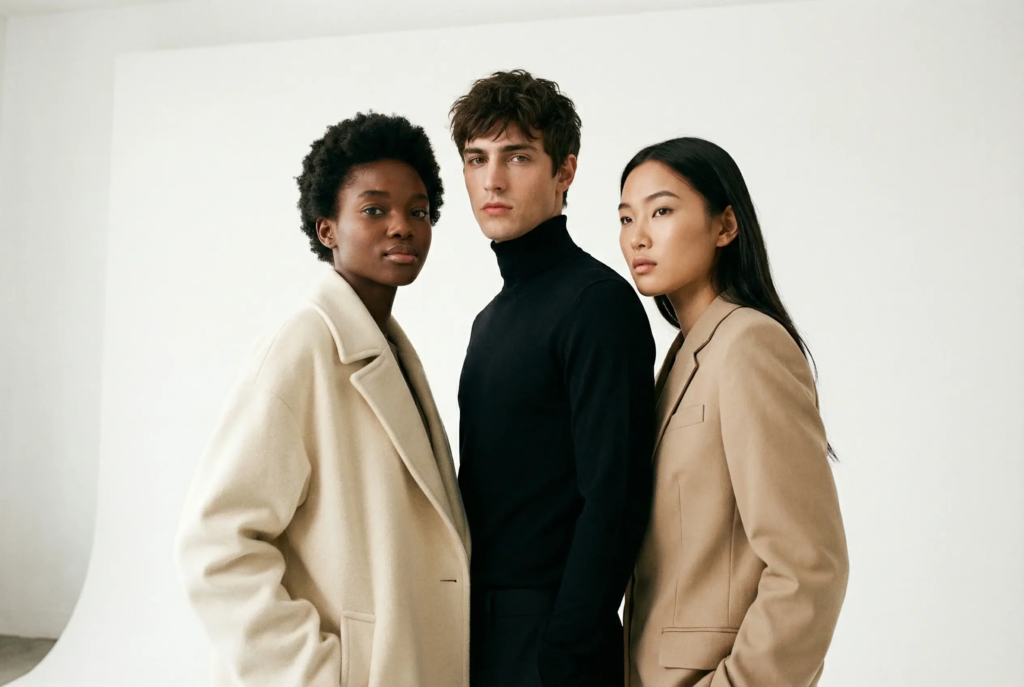
Generate diverse AI models with customizable age, gender, ethnicity, body shape, hairstyle, facial features, and expressions.
Virtual Try-On
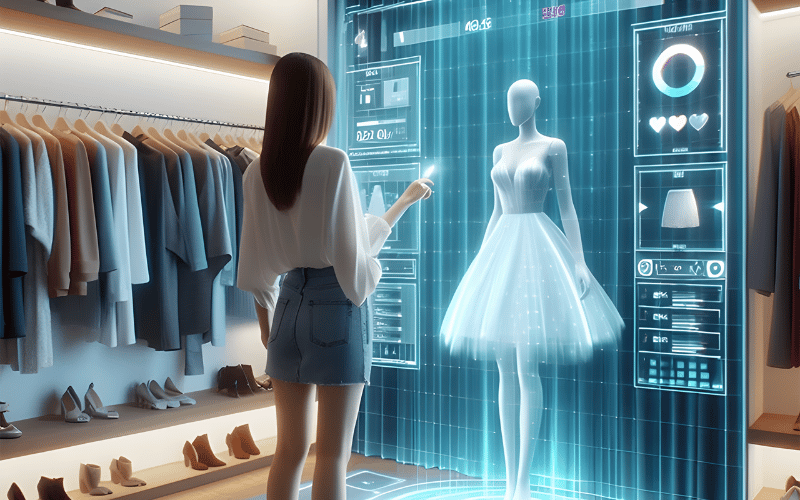
Display clothing on AI-generated models before manufacturing or photographing products, helping brands visualize collections quickly.
Multiple Body Types
Create fashion images featuring petite, tall, plus-size, athletic, and other body types to represent diverse customers.
Custom Backgrounds
Generate studio-quality backgrounds, outdoor scenes, luxury interiors, city environments, beaches, or seasonal settings.
Outfit Visualization
Mix and match clothing items, accessories, shoes, and bags to create complete fashion looks.
Fast Image Generation
Produce professional-quality marketing images within minutes instead of scheduling lengthy photoshoots.
High-Resolution Output
Generate images suitable for e-commerce websites, social media campaigns, print catalogs, digital advertising, and lookbooks.
5.Benefits of AI Fashion Model Generators
Reduces the cost of professional fashion photography.Speeds up product launches and marketing campaigns.Creates consistent branding across product catalogs.Supports inclusive representation with diverse virtual models.Enables rapid testing of different styles and concepts.Simplifies seasonal catalog production.Produces content at scale for online stores.Helps small businesses compete with larger fashion brands.Supports global marketing through localized model variations.
Business Applications
Fashion e-commerce stores. Clothing manufacturers .Luxury fashion brands. Boutique retailers. Jewelry companies. Footwear brands. Beauty and cosmetics. Businesses Fashion marketplaces. Marketing agencies. Social media content creation
6.AI Technologies Behind Fashion Model Generation
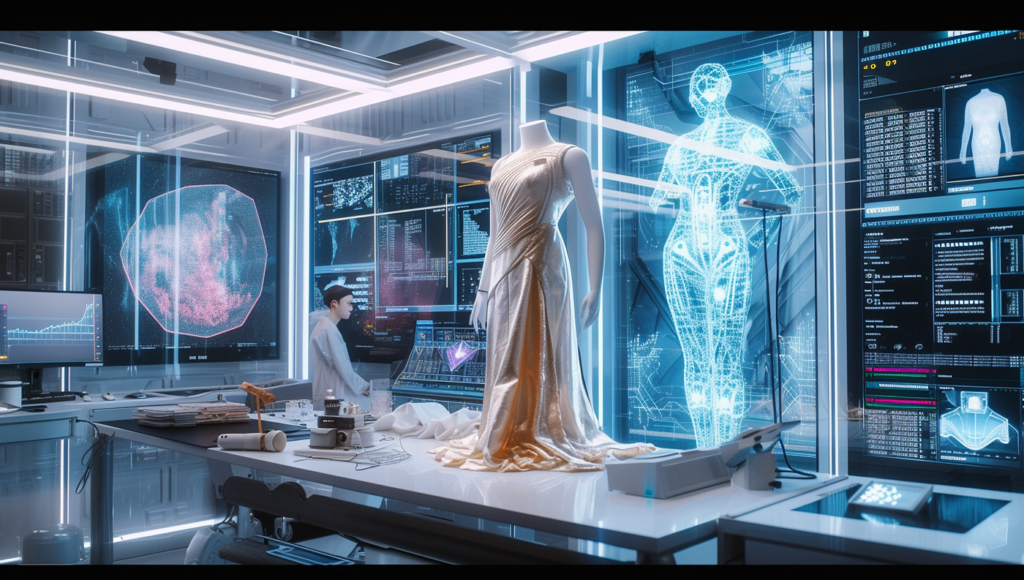
- Generative AI
- Diffusion Models
- Machine Learning
- Deep Learning
- Computer Vision
- Image Segmentation
- Pose Estimation
- Generative Adversarial Networks (GANs) in some systems
- Large Language Models (LLMs) for prompt understanding
- Cloud Computing
Popular Use Cases
- E-commerce product photography
- Fashion catalogs
- Social media advertising
- Digital lookbooks
- Clothing launch campaigns
- Personalized shopping experiences
- Virtual fashion shows
- Online clothing previews
- Marketplace product listings
- AI-powered fashion design presentations
Challenges
- Fine details such as intricate fabrics or accessories may occasionally render inaccurately.
- Licensing and commercial usage rights vary by platform.
- Human review is often needed to ensure brand consistency.
- Bias in training data can affect diversity and representation.
- Customers may expect transparency when AI-generated imagery is used.
Best Practices
- Use high-quality product images as input.
- Write detailed prompts specifying pose, lighting, background, and style.
- Review outputs for realistic garment fit and accurate colors.
- Maintain consistent branding across AI-generated content.
- Verify commercial licensing before publishing images.
- Combine AI efficiency with human creative direction.
7.Future of AI Fashion Model Generators
The future of AI Fashion Model Generators includes real-time virtual try-ons, interactive 3D models, AI-generated fashion videos, augmented reality shopping experiences, digital twins for clothing, and deeper personalization based on customer preferences. As AI continues to improve, virtual fashion models will become even more realistic, interactive, and valuable for global fashion marketing.
Conclusion
AI Fashion Model Generators are reshaping the fashion industry by providing a faster, more affordable, and scalable alternative to traditional fashion photography. By combining generative AI, computer vision, diffusion models, and machine learning, businesses can create photorealistic virtual models that showcase products effectively while reducing costs and accelerating content production. As adoption grows, AI Fashion Model Generators will play an increasingly important role in fashion design, e-commerce, advertising, and personalized shopping experiences.