What Are Trail Run Shoes?
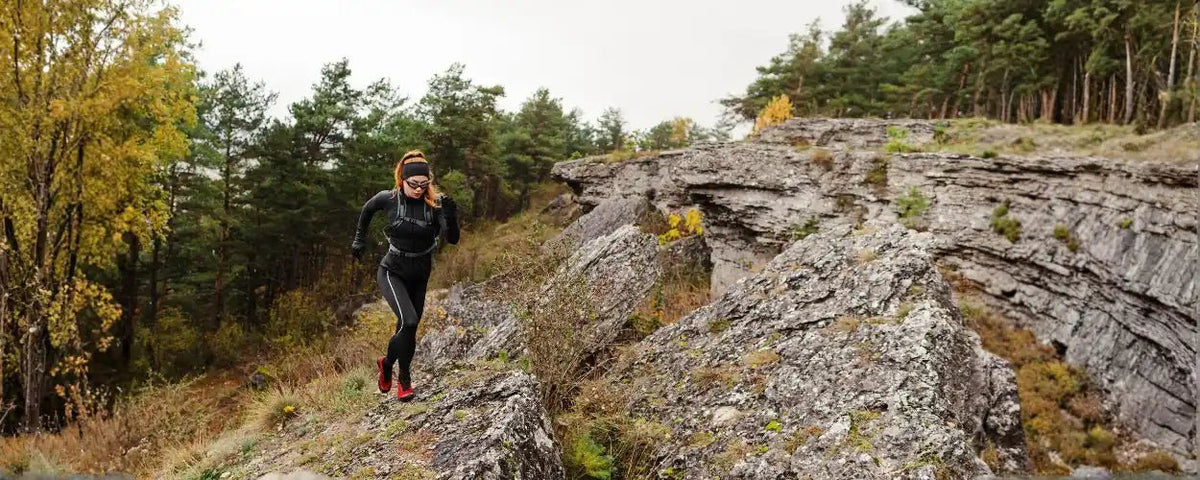
Trail run shoes are designed specifically for running on natural and uneven surfaces such as dirt trails, rocks, mud, gravel, sand, and forest paths. Compared with regular road-running shoes, they generally provide stronger traction, greater protection, and improved stability for challenging terrain.
Key Features
1. Aggressive Outsoles
Trail shoes typically have lugs—raised patterns on the outsole—that help provide traction on loose dirt, mud, rocks, and wet surfaces.
2. Durable Construction
Because trails can be rough on footwear, many models use reinforced materials around the toe box, sides, and heel.
3. Protective Toe Caps
A reinforced toe area can help protect your feet from rocks, roots, and other obstacles.
4. Stable Platform
Trail shoes are often designed to provide better stability when running across uneven or sloped terrain.
5. Cushioning
Different shoes offer different amounts of cushioning. Lightweight shoes may prioritize ground feel, while highly cushioned models can provide greater comfort during long-distance trail runs.
6. Water Resistance
Some trail shoes use water-resistant materials or membranes. These can be useful in wet conditions, although highly waterproof shoes may feel warmer and less breathable.
Types of Trail Run Shoes
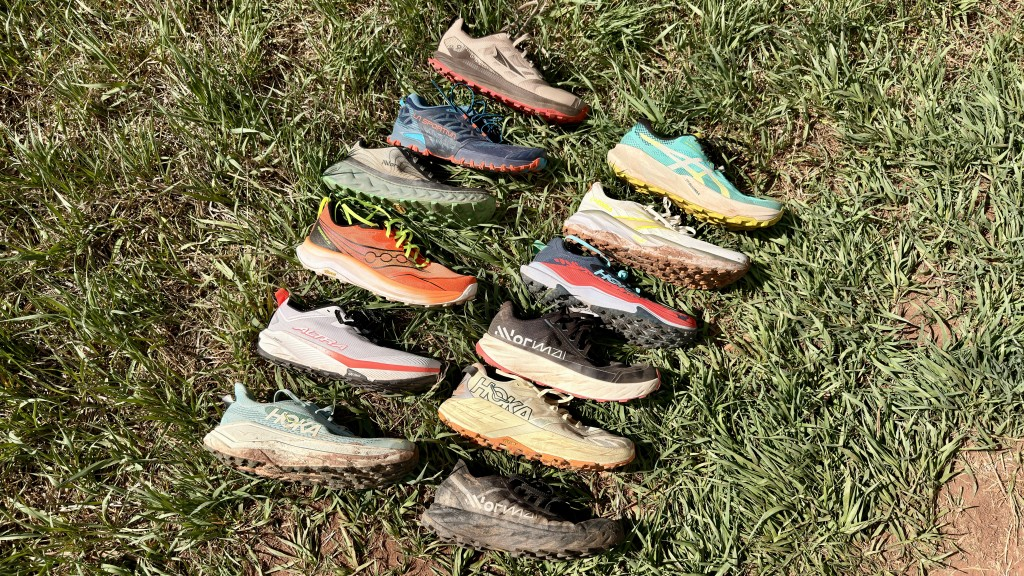
Light-trail shoes: Best for maintained dirt paths and relatively smooth terrain.
Technical-trail shoes: Designed for rocky, root-filled, steep, or challenging trails.
Mud shoes: Feature deeper and more aggressive lugs for soft, muddy ground.
Ultra-running shoes: Usually emphasize cushioning and comfort for very long distances.
Hybrid shoes: Designed to transition between pavement and trails.
Benefits of Trail Run Shoes
- Better traction on uneven surfaces
- Improved protection from rocks and roots
- Greater durability
- More confidence on technical terrain
- Better stability than many road shoes
- Specialized cushioning for trail distances
- Options for different weather and terrain conditions
How to Choose Trail Run Shoes
Consider these factors before buying:
| Factor | What to Look For |
| Terrain | Match the outsole to your typical trails |
| Distance | More cushioning can benefit long runs |
| Grip | Deeper lugs help on mud and loose terrain |
| Protection | Toe protection is useful on rocky trails |
| Fit | Your heel should feel secure without pressure |
| Cushioning | Choose based on comfort and terrain preference |
| Breathability | Important for warm and dry conditions |
| Water Protection | Useful for wet and rainy environments |
| Weight | Lighter shoes can feel faster; heavier shoes may offer more protection |
Trail vs. Road Run Shoes
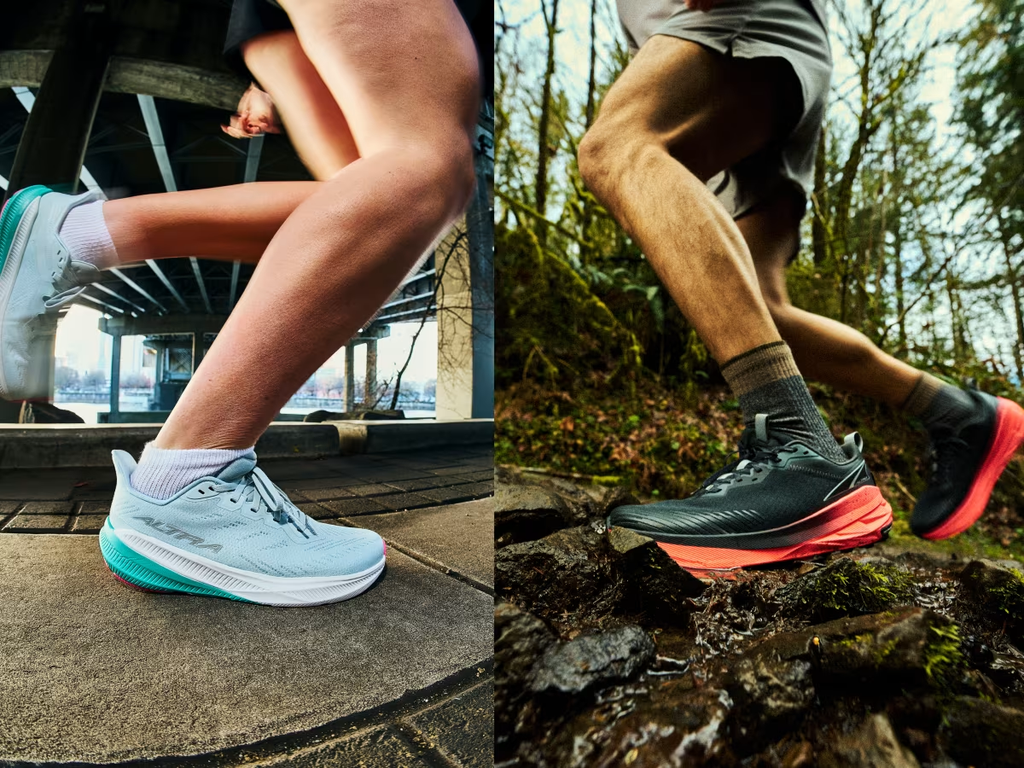
- Road-running shoes are optimized for smooth pavement and generally prioritize lightweight construction, smooth transitions, and road-oriented cushioning.
- Trail running shoes are built for changing surfaces and typically emphasize traction, stability, durability, and protection.
If you regularly run on rocky or muddy trails, a dedicated trail shoe can be a better choice than a standard road shoe.
Advantages
- Excellent traction
- Increased durability
- Better protection
- Greater stability
- Designed for natural terrain
- Wide range of cushioning and fit options
Disadvantages
- Often heavier than road shoes
- Aggressive lugs can feel uncomfortable on pavement
- Specialized models can be expensive
- Waterproof versions may reduce breathability
- Some highly technical shoes are unnecessary for easy, maintained trails
Final Thoughts
Trail run shoes are essential footwear for runners who spend significant time on natural terrain. The best pair depends on where you run, how far you run, the weather, and your preferred level of cushioning and protection. For easy trails, a lightweight hybrid may be enough, while rocky, muddy, or technical routes generally benefit from stronger protection and more aggressive traction.