
Real estate lead management is the process of capturing, organizing, tracking, nurturing, and converting potential property buyers, sellers, investors, and renters into customers. It helps real estate agents and agencies manage leads efficiently and avoid losing opportunities.
1. What Is Real Estate Lead Management?
Real estate lead management involves managing the entire journey of a prospect—from the moment they submit an inquiry or contact an agent to the point where they schedule a viewing, make an offer, or complete a property transaction.
A typical lead management system helps agents:
- Capture leads from websites, social media, portals, and advertisements
- Store prospect information in one place
- Qualify leads based on their needs and budget
- Assign leads to appropriate agents
- Track calls, emails, and messages
- Schedule property viewings and follow-ups
- Nurture prospects who are not ready to buy
- Measure conversion rates and agent performance
2. How Real Estate Lead Management Works
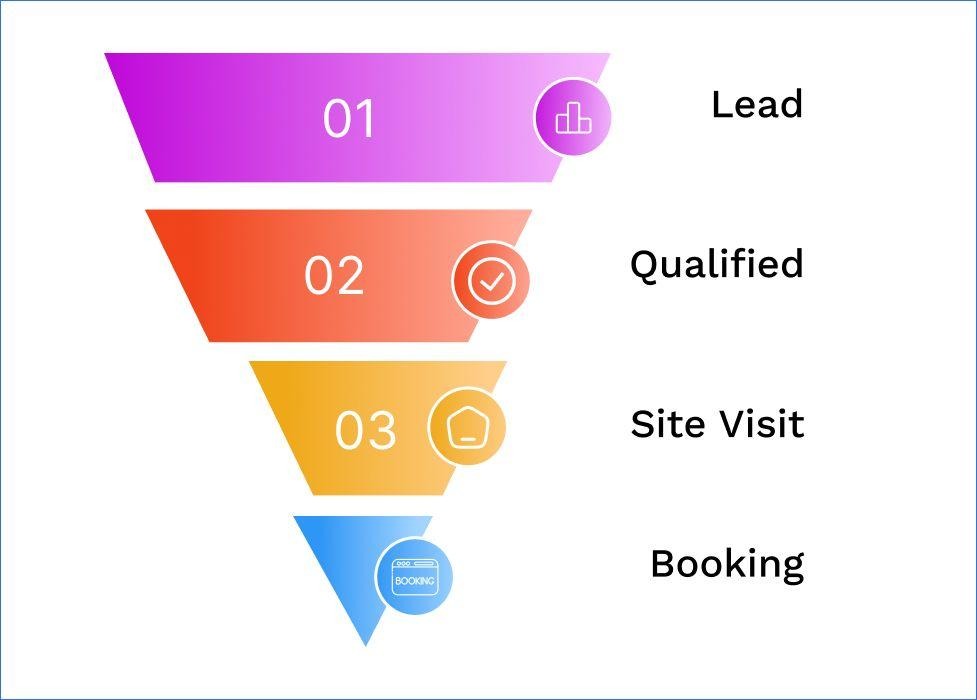
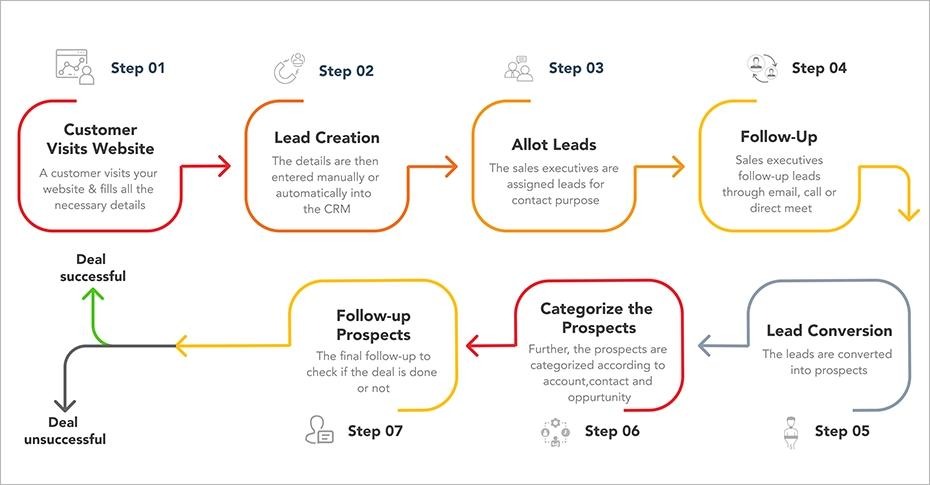
The process generally follows these stages:
1. Lead Generation
Leads can come from:
- Real estate include the following:es
- Property listing platforms
- Google Ads
- Social media
- Email marketing
- Referrals
- Open houses
- Landing pages
- Phone calls and website forms
2. Lead Capture
Once someone shows interest, their information is collected, such as their name, contact details, property preferences, location, and estimated budget.
3. Lead Qualification
Agents determine whether a prospect is a serious opportunity. Important qualification factors include the following:
- Buying or selling intent
- Budget
- Preferred location
- Property type
- Financing status
- Expected purchase timeline
4. Lead Assignment
Qualified leads can be assigned to agents according to location, property type, expertise, workload, or availability.
5. Lead Nurturing
Not every prospect is ready to transact immediately. Automated emails, property recommendations, market updates, and follow-up calls can keep the relationship active.
6. Conversion
The final goal is to convert a lead into a customer through activities such as property viewings, negotiations, offers, and closing.
3. Key Features of Real Estate Lead Management Software
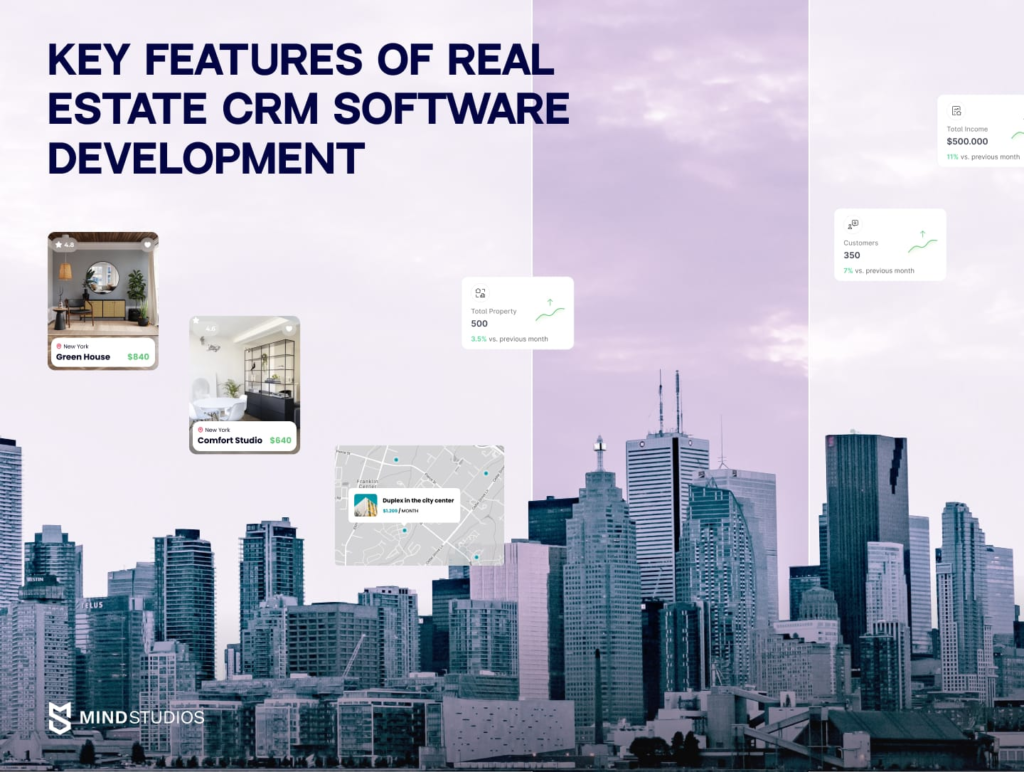
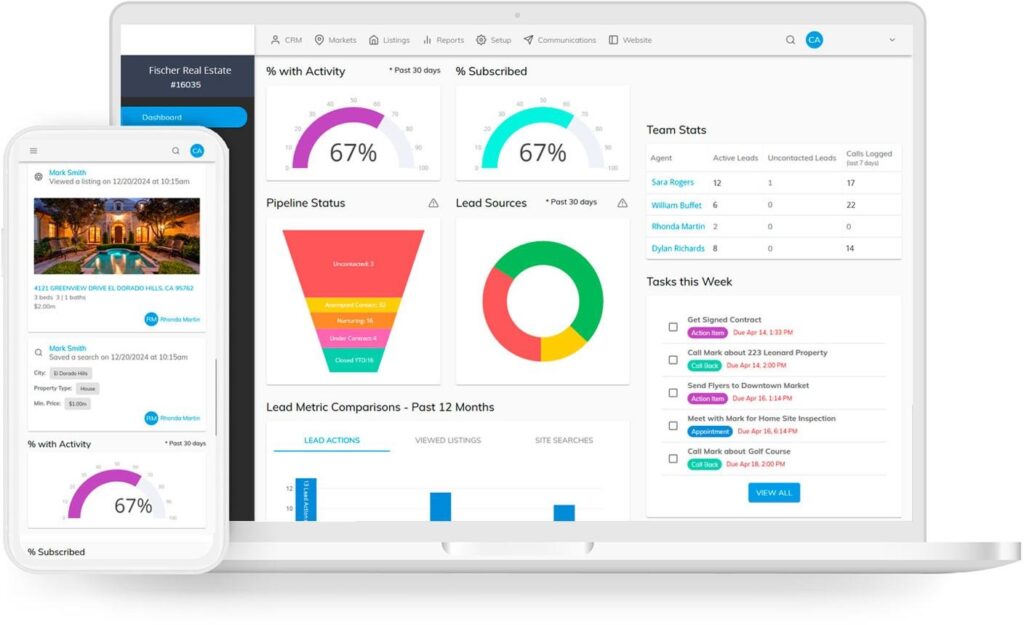
A good system typically includes:
Lead database: Keeps prospect information organized and searchable.
Lead scoring: Helps prioritize prospects based on their likelihood of conversion.
CRM integration: Connects lead information with customer relationship management tools.
Automated follow-ups: Sends reminders, emails, or messages so prospects don’t get forgotten.
Communication tracking: Records calls, emails, meetings, and other interactions.
Task management: Helps agents manage callbacks, property tours, and other activities.
Pipeline management: Shows where each prospect is in the sales process.
Analytics and reporting: Tracks lead sources, conversions, response times, and agent performance.
4. Benefits of Real Estate Lead Management
Better Organization
Instead of keeping information across spreadsheets, emails, and messaging apps, agents can maintain a centralized lead database.
Faster Response Times
Quick responses can improve the chances of engaging interested prospects before they move to another agent.
Higher Conversion Rates
Prioritizing qualified leads allows agents to spend more time on prospects with stronger buying or selling intent.
Improved Follow-Up
Automated reminders and workflows reduce the risk of missed calls and forgotten prospects.
Better Agent Productivity
Agents can spend less time manually organizing data and more time communicating with potential customers.
More Accurate Reporting
Managers can identify which marketing channels generate the most valuable leads and which agents convert them effectively.
5. Real Estate Lead Management Best Practices
- Respond quickly to new leads.
- Keep all prospect information updated.
- Use lead scoring to prioritize opportunities.
- Segment leads by property type, location, and intent.
- Create consistent follow-up schedules.
- Automate repetitive tasks where appropriate.
- Track every customer interaction.
- Measure lead-to-client conversion rates.
- Remove duplicate or outdated records.
- Review lead sources regularly to improve marketing ROI.
6. Real Estate Lead Management vs. Lead Generation

These two processes are related but different.
| Lead Generation | Lead Management |
| Attracts potential customers | Organizes and manages prospects |
| Focuses on acquiring leads | Focuses on progressing leads |
| Uses ads, SEO, social media, referrals, etc. | Uses CRM, automation, qualification, and follow-ups |
| Measures leads generated | Measures engagement and conversions |
Lead generation brings prospects into the pipeline, while lead management helps turn those prospects into customers.
Conclusion
Real estate lead management gives agents and agencies a structured way to handle prospects throughout the property sales cycle. By combining centralized lead data, qualification, automated follow-ups, communication tracking, and performance analytics, real estate businesses can improve organization, respond faster, nurture prospects, and increase conversions.