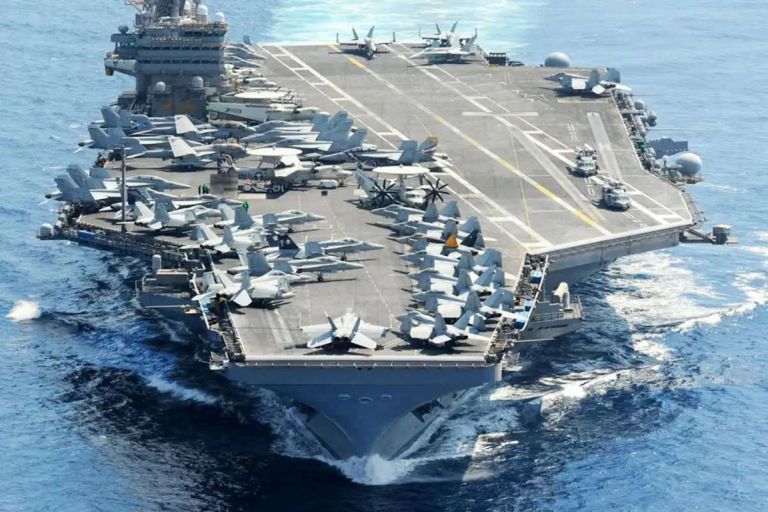
What Does “New Carrier Replaces USS Lincoln” Mean?
In order to relieve the USS Abraham Lincoln, which has been deployed for more than 250 days, the U.S. The Navy intends to dispatch the USS George Washington to the Middle East. USS George Washington (CVN-73), a nuclear-powered aircraft carrier of the Nimitz class, is the new carrier. The USS Abraham Lincoln (CVN-72) is the carrier being replaced.
Mission:
After an exceptionally lengthy deployment, let the Lincoln and its crew depart while maintaining the U.S. Navy’s carrier presence in the Middle East.
Why right now?
Due to the Lincoln’s prolonged deployment, there have been reports of crew mental health issues, onboard conditions, and shortages of supplies. Some of those reports have been contested by Defense Secretary Pete Hegseth, who claims they are false.
Crucial point:
According to U.S. sources, Washington’s rotation was prearranged and not just a reaction to the Lincoln allegations.
To put it simply,
“New Carrier Replaces USS Lincoln” refers to the USS George Washington being dispatched to assume Lincoln’s Middle East assignment in order for the Lincoln to eventually come home.
Details of the New Carrier That Replaces the USS Lincoln

As worries about the stress of the long-deployed USS Abraham Lincoln increase, the U.S. Navy is deploying the USS George Washington into the Middle East to replace the Lincoln. According to U.S. authorities, the replacement is a part of a planned carrier rotation.
1. c
The USS George Washington, which is headquartered in the Pacific, has started to approach the Middle East. It is reportedly en route from the western Pacific to the Indian Ocean and is anticipated to assume the responsibilities currently carried out by the Lincoln. For operational security considerations, the precise arrival timeline has not been made public.
2. Why is the USS Lincoln being replaced?
According to accounts, the USS Abraham Lincoln has been at sea for an exceptionally long time—more than 250 days. Concerns over crew welfare, supplies, maintenance, and morale have arisen as a result of the prolonged deployment.There have been reports of plumbing issues, basic supply shortages, and mental health issues among sailors. A number of lawmakers have demanded that the carrier’s conditions be examined more closely.
3. Mental Health Issues
The psychological impacts of the extended deployment have received more attention as a result of incidents of servicemen trying to go overboard being publicized in military media. Calls for the Navy to help the crew and return the carrier home have increased as a result of these allegations.Defense Secretary Pete Hegseth, however, has refuted claims that claimed circumstances on board the Lincoln had drastically worsened, claiming that some of the accounts were inaccurate.
4. A Scheduled Rotation of Carriers
Crucially, U.S. authorities claim that the George Washington deployment was not only an emergency response to the Lincoln allegations, but rather was prearranged. Nevertheless, following an extraordinarily lengthy deployment, the timing offers a chance to rotate the Lincoln and its crew.
5. What Takes Place with the USS Abraham Lincoln?
Lincoln is anticipated to depart the Middle East and finally return home after being relieved. After months of nonstop operations, the rotation would allow its sailors to relax and provide the carrier with a chance for maintenance and recuperation.
6. The Significance of the Replacement
The carrier swap highlights the difficulty of sustaining an ongoing U.S. naval presence in the Middle East while controlling crew demands. Without the need for a nearby land base, aircraft carriers offer a transportable platform for fighter aircraft launches, surveillance missions, and other operations.Long-term deployments, however, can put a lot of strain on both individuals and equipment. The argument over how long carrier sailors should stay overseas without regular port visits and rest periods has been rekindled by Lincoln’s experience.
7. Conclusion
After Lincoln’s unusually extended deployment, the USS George Washington is sailing toward the Middle East to relieve the USS Abraham Lincoln. The replacement was allegedly arranged in advance, but the action coincides with public worries about living conditions, supplies, and the mental health of sailors on board the Lincoln.As the United States maintains its naval activities in the area, the rotation is therefore both a crucial personnel-relief measure and a strategic military move.
Advantages of Replacing the USS Lincoln
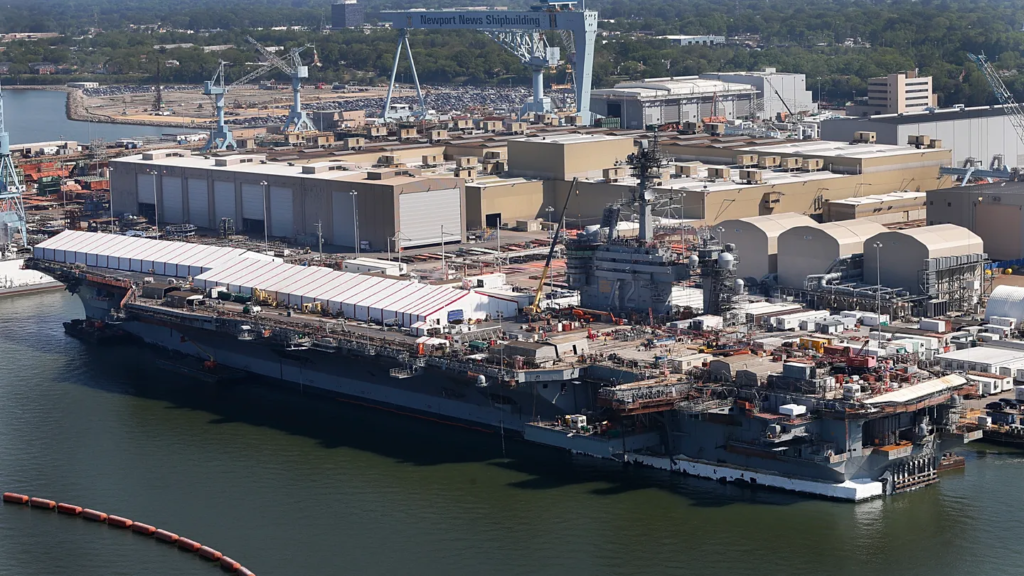
There are a number of significant advantages to the proposed replacement of the USS Abraham Lincoln with the USS George Washington. The rotation was prearranged, according to officials, but it was made in response to rising awareness of the Lincoln’s abnormally extended deployment.
1. Provides Relief to the Lincoln Crew
The main advantage is that, following an extraordinarily lengthy deployment, the Lincoln and its sailors will eventually be able to depart the area. Time for relaxation, recuperation, and family reunion may result from this.
2. Preserves American Naval Power
Instead of creating a void in operations, the replacement enables the US to keep an aircraft-carrier presence in the Middle East.
3. Lessens the Pressure of Deployment
By preventing a single ship and its crew from being deployed for an extended length of time, rotating carriers may improve long-term readiness and personnel welfare.
4. Assists with Military Activities
The George Washington can assist continued U.S. operations in the area by offering carrier-based aircraft and other capabilities.
5. Permits Upkeep and Recuperation
Rather than continuing an exceptionally taxing mission, the Lincoln can undergo maintenance, repairs, inspections, and crew recovery after returning home.
6. Enhances Long-Term Preparedness
The Navy can better combine operational needs with maintenance and personnel requirements by implementing regular carrier rotations. The difficulties of maintaining carriers for extended periods of time have been brought to light by Lincoln’s prolonged deployment.
7. Offers Flexibility in Strategy
While preventing the Lincoln from being stationed indefinitely, moving another carrier into the area provides U.S. commanders with an additional platform to react to shifting security conditions.
In summary,
The USS George Washington’s replacement of the USS Lincoln contributes to the preservation of American naval might while allowing the Lincoln and its crew to return, recuperate, and be ready for new missions.