What is Strategic Evaluation of AI Software
Strategic Evaluation of AI Software is the process of assessing AI software from a long-term organizational perspective to determine whether it supports business objectives, delivers value, manages risks, and remains sustainable over time.
Definition:
Strategic Evaluation of AI Software is the systematic assessment of AI software to determine how well it aligns with an organization’s strategic goals, operational needs, cost constraints, risk management requirements, ethical standards, and long-term growth objectives.
Key Components:
Business alignment: Does the AI support the organization’s goals and strategy?
Performance: Is the AI accurate, efficient, and reliable?
Scalability: Can it grow with increasing users, data, or business needs? Cost and return on investment (ROI): Do the benefits justify the implementation and maintenance costs?
Security and privacy: Does it protect sensitive data and comply with security requirements?
Ethics and fairness: Does it minimize bias and operate responsibly? Compliance: Does it meet applicable legal and regulatory requirements?
Integration: Can it work effectively with existing systems and workflows?
Maintainability: Can it be updated, monitored, and improved over time?
Importance:
Select AI software that supports long-term objectives. Reduce financial, operational, and ethical risks. Maximize business value and competitive advantage. Improve decision-making for AI investments. Ensure responsible and sustainable AI adoption.
Example:
Whether it complies with healthcare regulations.
Whether it integrates with existing medical systems.
Academic Definition:
Strategic Evaluation of AI Software is the comprehensive assessment of an AI system to determine its alignment with organizational strategy, technical performance, financial value, risk profile, ethical principles, regulatory compliance, and long-term sustainability, enabling informed decisions about adoption, deployment, and continuous improvement.
How does Strategic Evaluation of AI Software clear and professional Work?
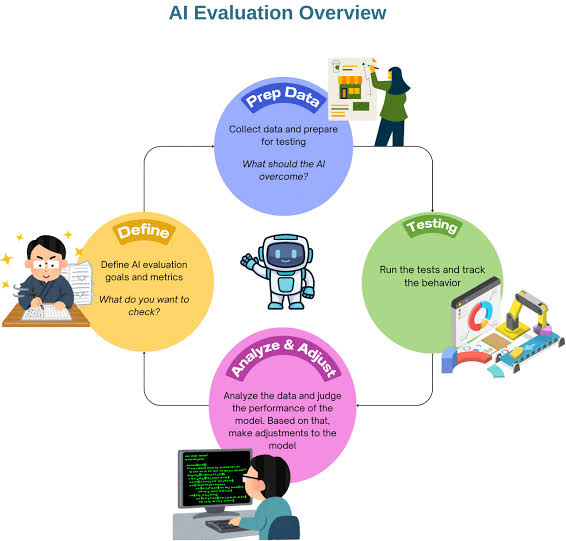
A Strategic Evaluation of AI Software is a structured process that helps an organization determine whether an AI solution is the right long-term investment. It goes beyond testing technical features by considering business value, risks, costs, ethics, and future growth.
How Strategic Evaluation of AI Software Works
Define Strategic Objectives
Improving operational efficiency. Reducing costs Enhancing customer experience. Increasing productivity Supporting innovation.
Compare Alternative AI Solutions
If multiple AI products are available, they are compared using the same evaluation criteria. Decision matrices or scoring models are often used to rank the options objectively.
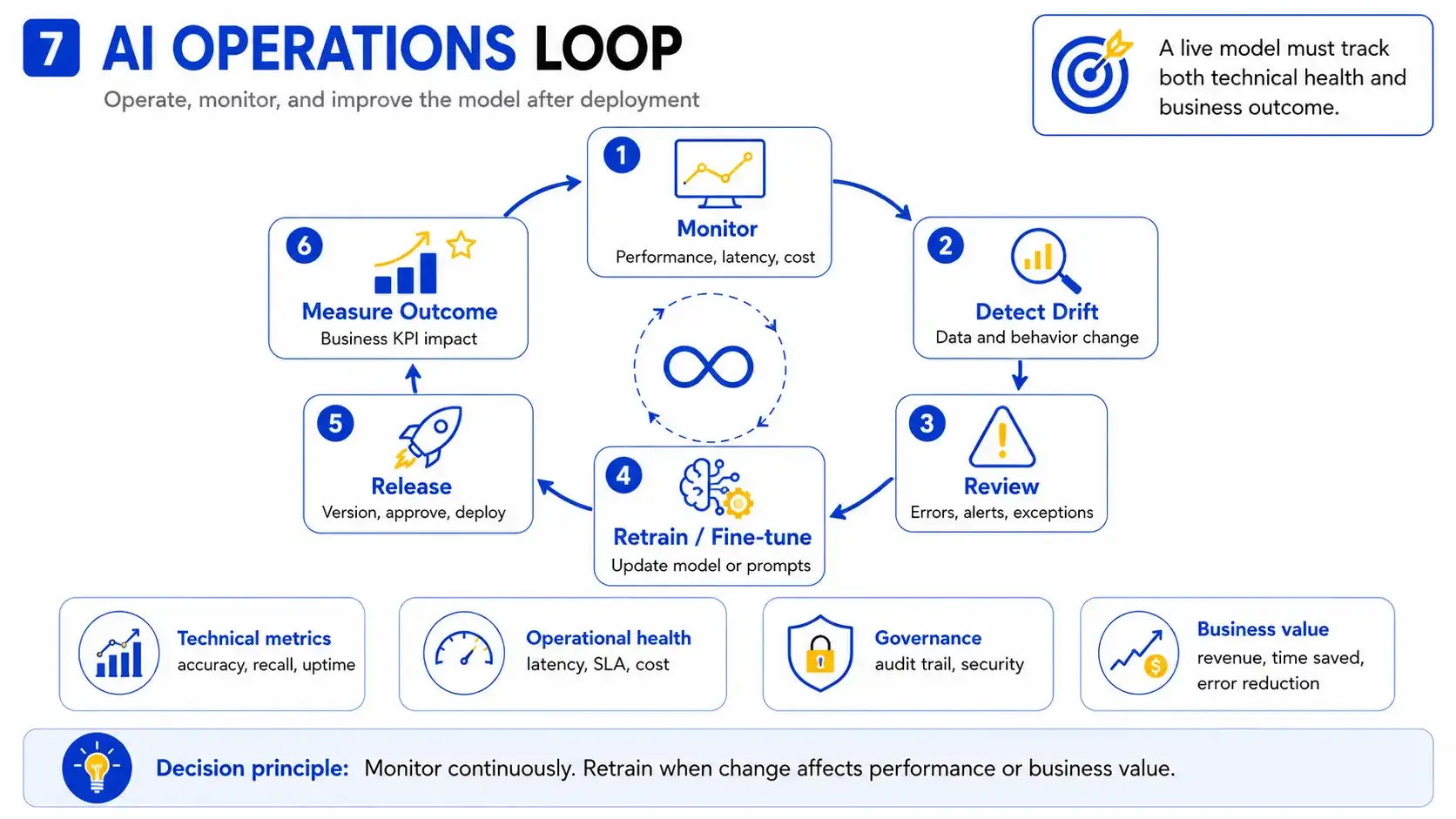
Monitor and Improve
After deployment, the AI system is continuously monitored to ensure it continues to meet organizational goals. Performance metrics, user feedback, and periodic reviews help identify areas for improvement.
Strategic Evaluation Framework:
| Step | Purpose |
| Define Objectives | Identify organizational goal |
| Collect evidence | Gather technical and business data |
| Monitor performance | Ensure long-team success and continuous improvement |
Example:
Goal: Improve customer support.
Evaluation: Measure response accuracy, integration with existing systems, implementation cost, data security, and customer satisfaction.
Decision: Select the chatbot that provides the best balance of performance, cost, security, and long-term business value.
Professional Definition
Strategic Evaluation of AI Software is a systematic process for assessing an AI solution’s alignment with organizational objectives, technical capabilities, financial value, risks, ethical considerations, and long-term sustainability. The results support informed decisions about selecting, implementing, and continuously improving AI systems.
Final through:
Strategic Evaluation of AI Software is a comprehensive process that assesses whether an AI solution aligns with an organization’s long-term objectives, delivers measurable business value, manages risks effectively, and supports sustainable growth. By evaluating technical performance, financial impact, security, ethics, scalability, and compliance, organizations can make informed decisions about selecting, implementing, and continuously improving AI systems.