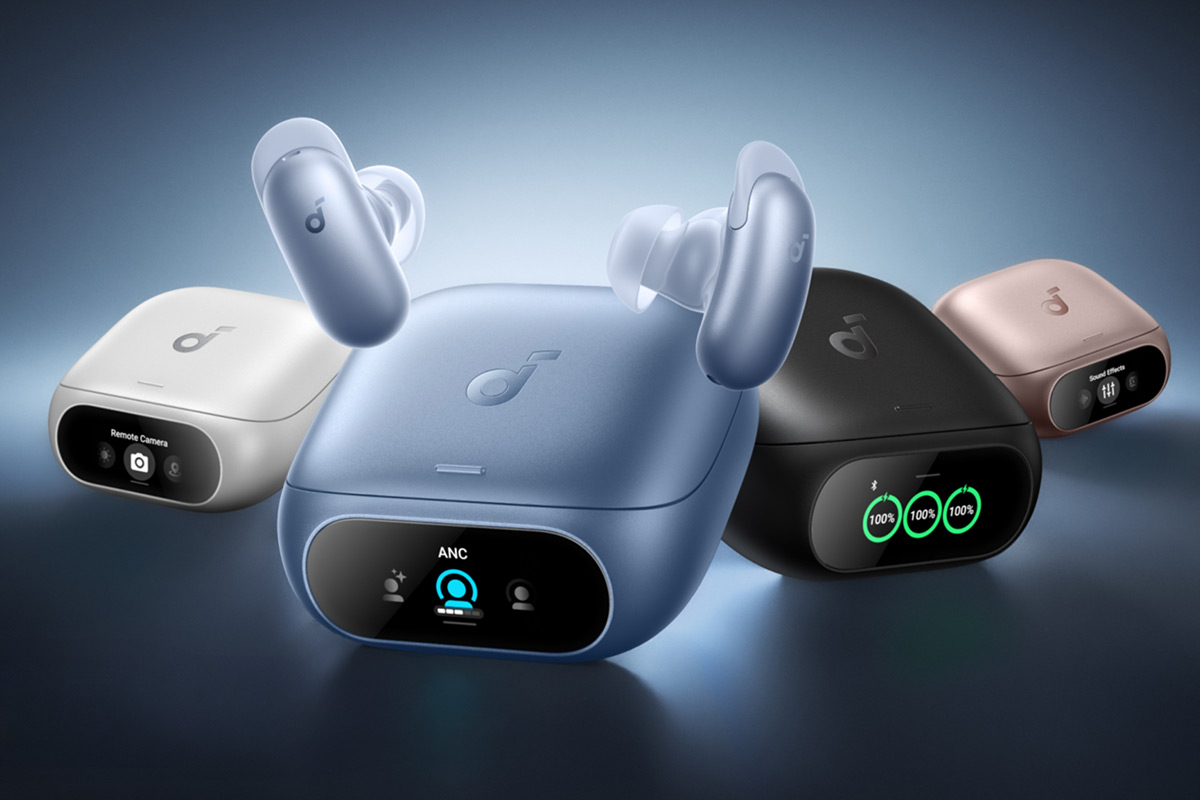
What Is “iPhone Meets AI Earbuds in 2026”?
iPhone Meets AI Earbuds in 2026 refers to the growing combination of iPhone technology and AI-powered wireless earbuds that make listening, communication, and everyday tasks smarter.
AI earbuds can use artificial intelligence to provide features such as:
- Adaptive audio — automatically adjusts sound based on your surroundings.
- AI voice assistance — helps with questions, commands, reminders, and other tasks.
- Live translation — can assist with understanding conversations in different languages.
- Smarter calls — AI can improve voice clarity and reduce unwanted background noise.
- Personalized sound — audio can be adjusted according to listening preferences.
- Noise management — AI can help distinguish voices, music, and environmental sounds.
simple terms
iPhone Meets AI Earbuds in 2026 describes a more intelligent audio experience where earbuds work alongside the iPhone to make sound, communication, and digital assistance more personalized and convenient.
Short definition:
iPhone Meets AI Earbuds in 2026 is the integration of AI-powered earbuds with iPhone devices to deliver smarter audio, communication, translation, and personalized listening experiences.
Details iPhone Meets AI Earbuds in 2026
In 2026, Apple Intelligence is expanding across Apple devices, including iPhone and AirPods.
1. AI-Powered Listening
AI can make earbuds more responsive to the user’s environment and listening needs. Features such as adaptive audio and advanced noise control help create a more personalized listening experience.
2. Real-Time Language Translation
One of the clearest examples is Live Translation with AirPods. Supported AirPods can translate spoken language into the user’s preferred language, while the translated conversation also appears on the iPhone.
3. iPhone + Air Pods Integration
The iPhone acts as an important processing and control companion. Users can start translation through the Translate app, Siri, Control Center, or an iPhone Action button.
4. Smarter Communication
AI earbuds can make conversations and calls more convenient by combining microphones, audio processing, and iPhone-based AI features. In noisy environments, Apple says the iPhone’s microphones can also help improve translation input.
5. Apple Intelligence
Apple says its newer Apple Intelligence architecture is designed to bring AI capabilities across iPhone, AirPods, and other Apple platforms while emphasizing privacy.
6. Compatibility Matters
Apple’s current Live Translation with AirPods requires supported models such as AirPods 4 with ANC, AirPods Pro 2, AirPods Pro 3, or AirPods Max 2, paired with an iPhone 15 Pro or later, iOS 26 or later, and Apple Intelligence enabled. Availability can vary by language and region.
The Bigger Trend
The important shift is that earbuds are moving beyond being simple music accessories. They are becoming AI-enabled interfaces for translation, communication, contextual audio, and voice interaction. Industry research also describes ear-worn devices as evolving toward sensing, interaction, and context-aware applications.
short
iPhone Meets AI Earbuds in 2026 represents a future where your phone and earbuds work together as an intelligent audio assistant helping you listen, communicate, translate, and interact more naturally.
Advantages and Disadvantages of iPhone Meets AI Earbuds in 2026

Advantages
Smart Translation: AI earbuds can help translate conversations, making communication across languages easier.
Hands-Free Control: Users can interact with Siri and other supported AI features without constantly using the iPhone.
Better Audio Experience: Noise cancellation and adaptive audio can improve listening in different environments.
Strong iPhone Integration: Supported Air Pods can work closely with iPhone features such as Apple Intelligence and the Translate app.
Personalized Listening: AI can help make audio and communication experiences more responsive to the user’s situation.
Convenient for Travel: Translation and hands-free features can be especially useful when traveling internationally.
Disadvantages
High Cost: Premium AI-enabled earbuds and compatible iPhones can be expensive.
Device Compatibility: Some advanced features require specific iPhone and Air Pods models, software versions, and supported languages.
Battery Limitations: AI processing, active noise cancellation, and frequent use can increase battery consumption.
Internet or Device Requirements: Some AI features may depend on an internet connection, compatible hardware, or Apple’s services.
Privacy Concerns: AI audio features involve microphones and voice data, so users may have concerns about how conversations and recordings are handled.
Translation Isn’t Perfect: AI translation can misunderstand accents, slang, context, or complicated conversations.
Overall
iPhone + AI earbuds offer greater convenience, smarter communication, and improved audio experiences, but cost, compatibility, battery life, privacy, and AI accuracy remain important limitations.
Conclusion:
iPhone Meets AI Earbuds in 2026 represents an important step toward smarter, more connected personal technology. With Apple Intelligence working alongside compatible Air Pods, users can benefit from features such as Live Translation, hands-free interaction, personalized audio, and improved communication. The technology is particularly useful for travel, multilingual conversations, calls, and everyday listening. Users still need compatible devices and software, and AI-generated translations can sometimes be inaccurate.
Overall
iPhone and AI earbuds are moving beyond traditional headphones toward intelligent audio companions that make communication and everyday digital experiences more natural and convenient.