What is an AI skill?
An AI skill is a specific ability or area of knowledge that enables a person to build, use, improve, or work effectively with artificial intelligence systems.
- Machine learning: Training computer programs to recognize patterns and make predictions from data.
- Python programming: Writing code to create AI applications and automate tasks.
- Data analysis: Collecting, cleaning, and interpreting data that AI systems use.
- Natural language processing (NLP): Developing AI that understands and generates human language.
- Computer vision: Building AI systems that can analyze images and videos.
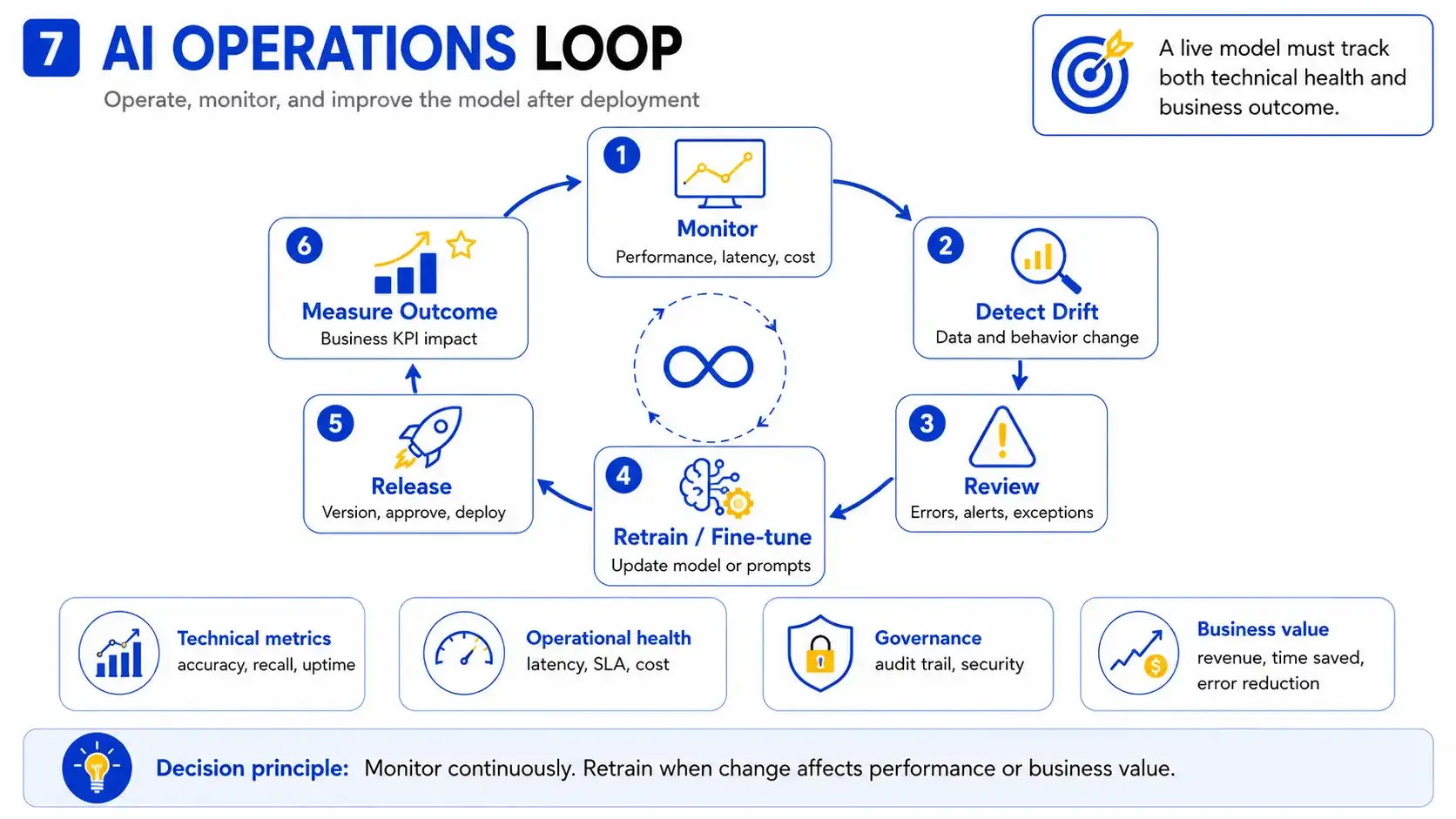
- AI model deployment (MLOps): Putting AI models into real-world applications and maintaining them.
Why AI skills matter
AI skills can help you:
- Build AI-powered software and applications.
- Automate repetitive tasks.
- Analyze large amounts of data.
- Improve productivity using AI tools.
Example
Suppose you want to create an AI chatbot:
- You use Python to write the program.
- You use prompt engineering to improve the chatbot’s responses.
- You use machine learning if you want the chatbot to learn from data.
- You use deployment skills to make the chatbot available online.
Why Everyone Should Have AI Skills in the Future
In the future, knowing how to use AI effectively may become as important as knowing how to use computers or the internet today.
1. AI will become part of everyday work
Many jobs will involve working with AI tools to complete tasks faster and more efficiently. People with AI skills will be able to automate routine work, analyze information quickly, and improve productivity.
2. AI skills will improve career opportunities
Employers are increasingly looking for people who can work with AI. Understanding AI tools, automation, and data can help people adapt to new roles and remain competitive in a changing job market.
3. AI helps people solve problems faster
AI skills allow individuals to use technology for research, decision-making, creativity, and innovation. From writing and design to business analysis and programming, AI can support many types of work.
4. AI literacy will become a basic skill
Just as digital literacy became essential in the modern world, AI literacy will likely become a fundamental skill. People will need to understand how AI works, how to use it responsibly, and how to evaluate its results.
5. AI skills encourage creativity and innovation
AI can help people generate ideas, create content, develop products, and explore new possibilities. Those who know how to guide AI effectively will be able to turn ideas into reality more quickly.
6. AI skills help people adapt to change
Technology is evolving rapidly. Learning AI skills helps individuals stay flexible and prepared for future changes in education, business, and society.
Improving Employees’ AI Skills — Here’s How!
As artificial intelligence becomes an important part of modern workplaces, organizations need to help employees develop AI skills. Improving AI knowledge does not mean replacing human abilities; it means helping employees use AI tools to work more efficiently, make better decisions, and create more value.
1. Provide AI training programs
Companies should offer structured AI training that teaches employees the basics of AI, how AI tools work, and how they can be applied in daily tasks. Training should be practical and connected to employees’ actual roles.
2. Encourage hands-on practice
Employees learn AI skills best by using AI tools in real situations.
3. Teach effective prompting
A key AI skill is learning how to communicate clearly with AI systems. Employees should learn how to write useful prompts, provide context, check results, and refine AI-generated outputs.
4. Create AI champions within teams
Organizations can identify employees who are interested in AI and train them as internal AI supporters. These individuals can share knowledge, help colleagues, and encourage responsible AI adoption.
5. Focus on responsible AI use
Employees should understand AI limitations, privacy concerns, accuracy issues, and ethical considerations. Responsible AI use helps organizations gain benefits while reducing risks.
7. Integrate AI into everyday workflows
The best way to develop AI skills is to make AI part of normal work processes.
Conclusion
Improving employees’ AI skills requires training, practice, support, and a culture of continuous learning. Organizations that invest in AI education will help their workforce become more productive, innovative, and prepared for the future of work.