





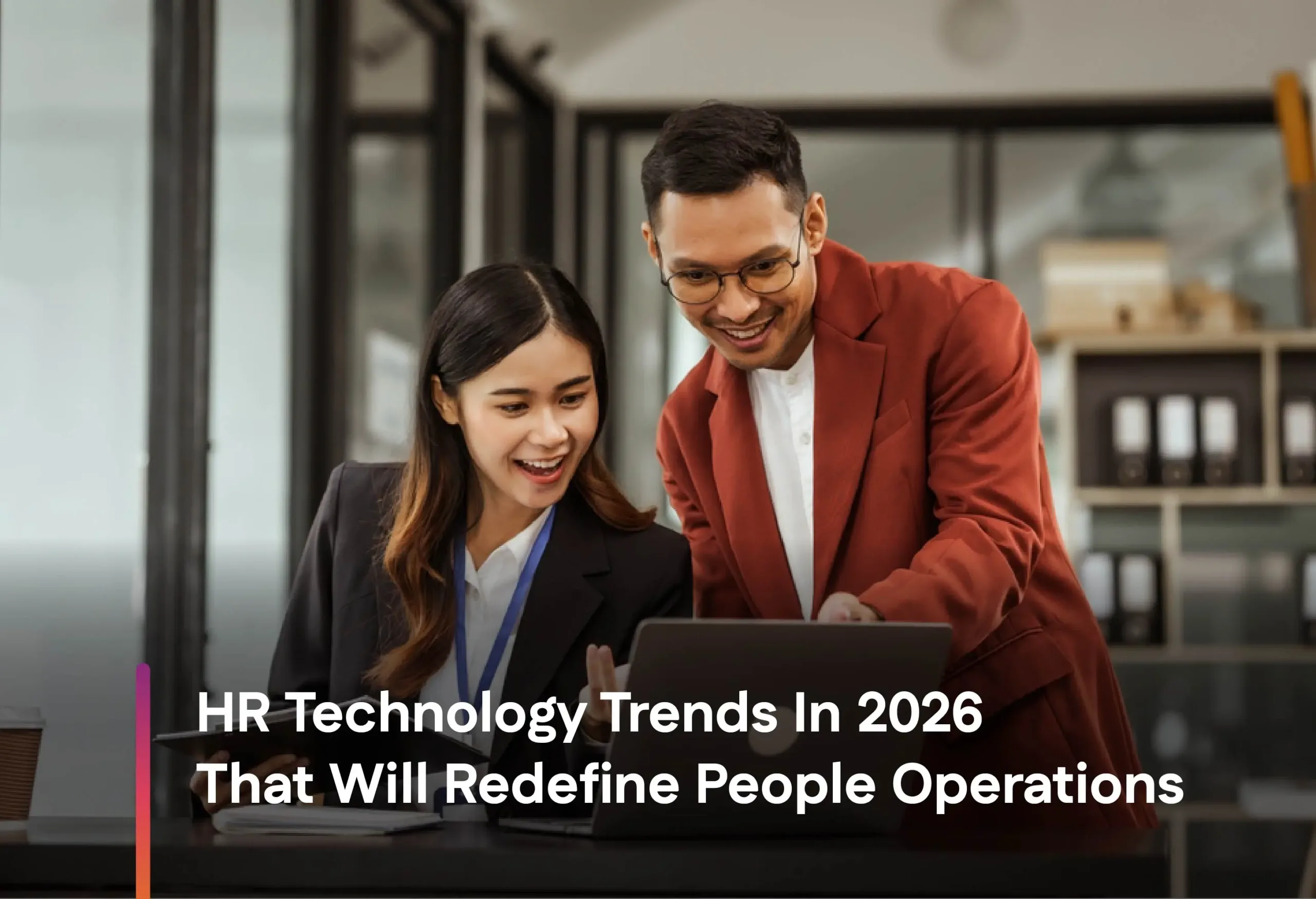
HR Tech Trends 2026: HR technology has transformed from a support function into a strategic driver of corporate success, from automating repetitive operations to anticipating talent shortages before they exist.
Innovations like intelligent onboarding systems, skills-based hiring platforms, and generative AI completely changed how businesses recruit, train, and retain workers last year. As 2026 approaches, HR directors are turning their attention to maintaining that momentum and using technology to create resilient, future-ready workforces rather than just increase productivity.
HR tech is the single largest investment sector, with 89% of HR directors planning to raise their spending in the upcoming year despite economic uncertainty. Knowing which trends will actually improve productivity, culture, and employee experience is more difficult than simply implementing new tools.
2026’s Top 10 HR Technology Trends
Using Agentic AI in Hiring
Gamification in Hiring
Utilizing Chatbots
Blockchain-Driven Hiring
Gamified Behavioral Assessments’ Ascent
Hiring Is Transformed by Emotional and Contextual AI
Boomerang Hiring Made Possible by Technology
Intelligent Workforce Management
Adopting Cloud-Based Technology
Encouraging a diverse and inclusive workplace culture
Putting the Employe Experience First
1. More Recruiting Tasks in 2026, according to Agentic AI
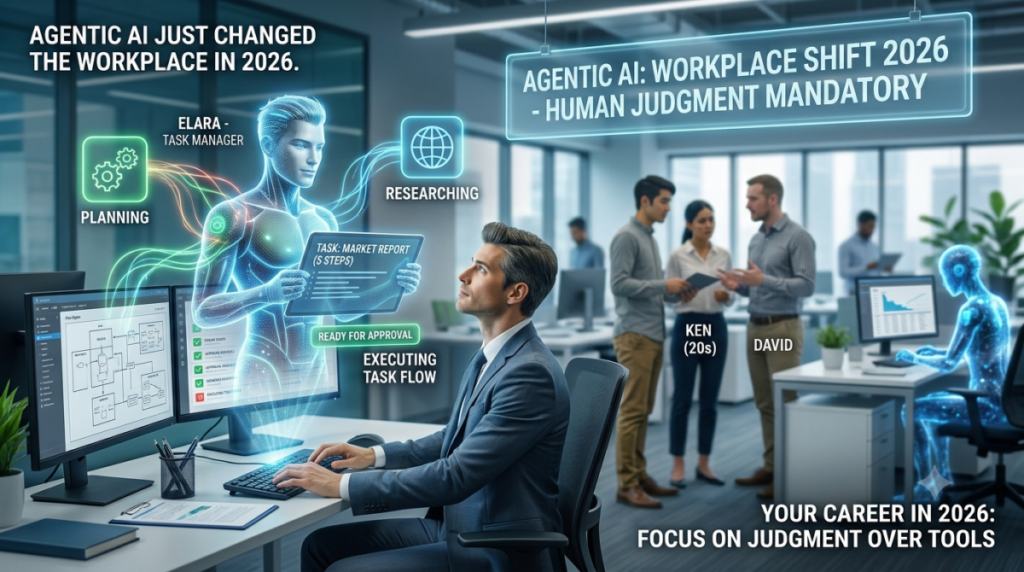
Agentic AI is progressing from simple hints to autonomous recruitment duties. In 2065, systems will manage candidate ranking, interview scheduling, and resume screening with little oversight.
According to a recent poll, 62% of businesses anticipate returns from agentic AI deployments that surpass 100%, with an average estimated ROI of 171%. Recruiters are turning their attention to high-value tasks like strategic decision-making and applicant engagement as a result of this level of efficiency.
2. Gamification in Hiring
The concept of integrating game elements and mechanics into the hiring process to engage candidates, evaluate their talents, and address one of the main issues of large-volume hiring—improving the candidate experience overall—is known as gamification in recruiting.
The goal of gamified exams is to give recruiters useful information while making the hiring process more engaging, fun, and immersive for applicants. It is turning into one of the most successful HR tech trends as it improves company branding in addition to assisting in talent acquisition without bias.
Although gamification in hiring is not entirely new, it is an invention that is rapidly growing in terms of employee engagement and evaluation.
3. Utilizing chatbots
Recruiting, onboarding, and monitoring employee performance are just a few of the many HR responsibilities that can get monotonous and draining. For example, HR departments must spend the majority of their time answering the same queries. Conversational AI chatbots will assist businesses in automating tedious HR processes, such as:
Setting up interviews
Answering the queries posed by the candidates
Responding to FAQs from employes
Processing leave requests in absence management
C-Factor by Aly. AI is the next step in the development of AI chatbots in HR, going beyond scripted dialogs to intelligent, assessment-aware exchanges.
Aly takes candidates throughout gamified trips, provides real-time task clarification, and lowers anxiety during exams. It was created especially for talent assessment and development. Aly serves as a smart assistant for recruiters, promoting scalability, fairness, and consistency in high-volume hiring.
Aly is fully ingrained in evaluation logic, not merely FAQs, in contrast to ordinary HR chatbots. Candidates’ experiences with digital recruiting are changing in 2026 due to the move toward context-aware AI companions.
4: Blockchain-Driven Employment
Imagine a hiring procedure where candidate credentials are fraud-proof and quickly verifiable. That is the potential of blockchain technology in hiring. Digital diplomas issued by organizations like MIT using blockchain-based wallets are unchangeable, shareable, and don’t require a registrar call.
In a matter of seconds, recruiters receive precise, reliable documentation of training and certification. Pilots in the real world demonstrate significant reductions in administrative workload and credential verification times of up to 75%.
In highly regulated industries like healthcare, finance, or multinational startups, where promptly trusting candidate data is crucial for astute, effective recruiting, this is especially important.
5. Gamified Behavioral Assessments’ Ascent
Gamified behavioral exams are revolutionizing how employers evaluate candidates by making the process immersive, fair, and competency-driven. For example, a multinational football organization used these tools to recruit more than 20,000 volunteers for the World Cup in Qatar.
These tests, which were administered at scale with efficiency and engagement, examined important characteristics including flexibility, teamwork, and passion alignment. Similar to this, HBL used bilingual gamified tests to hire thousands of cash officers, speeding up the hiring process, strengthening the employer brand, and improving the candidate experience. These interactive tests enhance employer reputation, highlight values beyond resumes, and promote equity from the outset.
6: Hiring Is Transformed by Emotional & Contextual AI
We highlight Emotional & Contextual AI at HR Tech Trends #6. In order to comprehend candidates’ emotions and the context of their applications, technology goes beyond words. Body language, tone, and facial emotions are examples of subtle cues that emotional AI interprets. The screening and interview procedures are then modified by contextual AI according to a candidate’s background, the position, and the culture of the company. This combination makes hiring more individualized, equitable, and nuanced.
Tools like Furhat’s robot, but devoid of human prejudice, guarantee fair evaluations in structured interview environments. According to a recent academic study, AI that prioritizes competence over feeling lowered emotional prejudice by 41.2%, resulting in a noticeable gain in inclusion and justice.
7: Boomerang Hiring Made Possible by Technology
In 2026, businesses are actively employing HR technology to attract valuable former employees rather than only hoping for their return. Beamery, Avature, Phenom People, Eightfold AI, and GR8 People are examples of AI-powered talent relationship management platforms that allow organizations to keep comprehensive alumni talent databases, monitor the professional development of former employees, and get notifications when their skills match available positions.
Rehiring top talent is quicker, less expensive, and more efficient than finding new applicants thanks to digital alumni groups, video-first onboarding technologies, and skills verification systems. Tech-enabled boomerang hiring is emerging as a strategic recruitment advantage due to its demonstrated cultural fit, institutional expertise, and short ramp-up time.
8: Astute Workforce Management
There is no assurance that your workforce strategy will be as successful in the upcoming year as it was in the prior one in a dynamic economy. In order to better understand their demands, talent managers will need to plan more strategically in the future. They must close gaps and collaborate with company executives on all projects in order to do this.
AI will become more useful in the upcoming years for forecasting and identifying the right positions, competencies, and locations for the evolving business. Recruiting trends indicate that employers’ hiring practices are slowing down hiring. Furthermore, if the sector has a downturn in 2026, businesses
9: Adopting Cloud-Based Technology
Cloud-based technologies are essential for maintaining employee connectivity, and they do so for both in-person and remote workers. To stay abreast of technology developments, organizations are putting these systems into place. Cloud-powered human capital management solutions, or HCMs, will be crucial tools for HR, enabling them to access employee data in real time from any location at any time and make wise decisions.
10: Using Technology to Promote a Diverse and Inclusive Workplace Culture
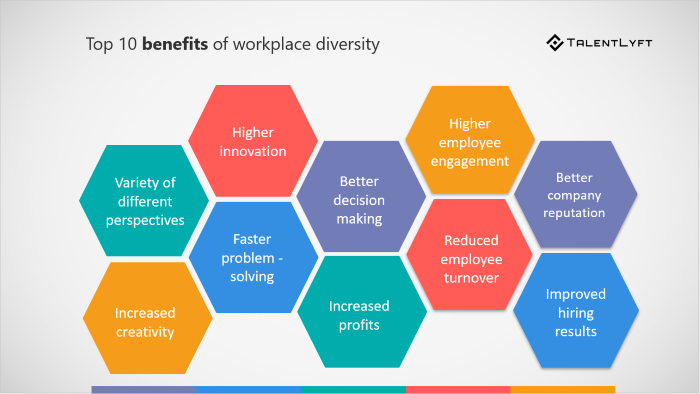
In 2026, the companies will once again prioritize developing a diverse and inclusive working culture. While some businesses have already embraced the idea of diversity and inclusion, others are still having difficulty doing so.
Businesses with inclusive cultures are “twice as likely to meet or exceed financial targets and far exceed their business outcomes” in comparison to those without, according to Deloitte’s Director of Inclusion & Diversity. The use of D&I (Diverse and Inclusive) technologies for talent acquisition, sourcing, and selection is becoming more common in contemporary settings.
11: Highlighting Employe Experience
More money than ever before is being spent by organizations to enhance the employee experience, from onboarding to using cloud technologies for efficient communication. With the rapid advancement of technology, HR managers now have the necessary resources to provide candidates with a smooth experience through the use of engaging solutions like psychometrics and gamification. Businesses now understand that the secret to success is to prioritize the employee experience.
Conclusion
As we traverse the ever-changing field of human resources, keeping up with HR tech developments is still crucial. Adopting state-of-the-art HR solutions is critical in a future driven by constant innovation and automation.
Incorporating these developments into HR procedures guarantees effectiveness and establishes the groundwork for a future-oriented workplace. We hope that the insights into 2026’s HR tech trends have offered insightful viewpoints for creating a flexible and forward-thinking workplace.