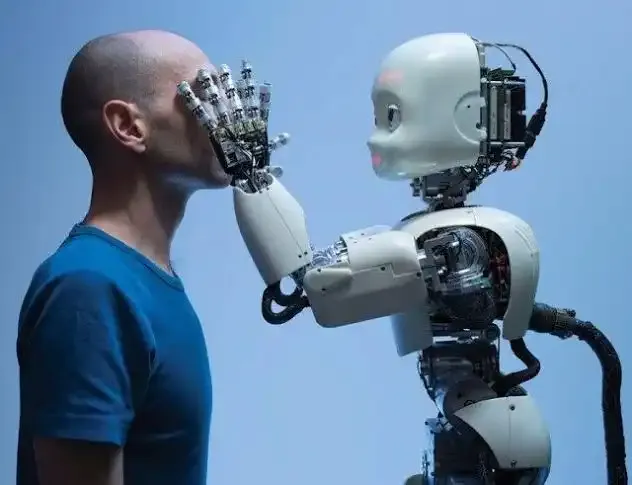
AI technology refers to the development of computer systems that can perform tasks typically requiring human intelligence, including learning, reasoning, problem-solving, language understanding, perception, and decision-making. Modern AI combines advanced algorithms, powerful computing infrastructure, and large datasets to automate processes, improve efficiency, and generate insights across industries.
What Is AI Technology?
AI technology encompasses software and hardware systems that enable machines to:
- Learn from data without explicit programming.
- Recognize patterns and make predictions.
- Understand and generate human language.
- Analyze images, audio, and video.
- Make intelligent decisions based on available information.
- Automate repetitive and complex tasks.
AI is increasingly integrated into healthcare, finance, manufacturing, education, retail, transportation, and scientific research.
Core AI Technologies
1. Machine Learning (ML)
Machine Learning enables computers to learn from data and improve their performance over time.
Applications:
- Fraud detection
- Product recommendations
- Customer segmentation
- Demand forecasting
- Predictive maintenance
2. Deep Learning
Deep Learning is a subset of machine learning that uses artificial neural networks with multiple layers to process complex data.
Applications:
- Image recognition
- Speech recognition
- Medical diagnosis
- Autonomous driving
- Video analysis
3. Natural Language Processing (NLP)
NLP enables computers to understand, interpret, and generate human language.
Applications:
- AI chatbots
- Machine translation
- Text summarization
- Sentiment analysis
- Virtual assistants
4. Computer Vision
Computer Vision enables machines to analyze and interpret visual information from images and videos.
Applications:
- Facial recognition
- Object detection
- Quality inspection
- Medical imaging
- Security surveillance
5. Generative AI
Generative AI creates new content, including text, images, videos, audio, and software code.
Applications:
- Content creation
- Software development
- Marketing materials
- Digital design
- Video generation
6. Robotics and Intelligent Automation
AI-powered robots combine sensors, machine learning, and automation to perform physical and digital tasks.
Applications:
- Warehouse automation
- Manufacturing
- Healthcare assistance
- Agriculture
- Logistics
7. Expert Systems
Expert systems mimic human decision-making using predefined rules and knowledge bases.
Applications:
- Medical diagnosis
- Financial planning
- Technical support
- Risk assessment
Key Components of AI Technology
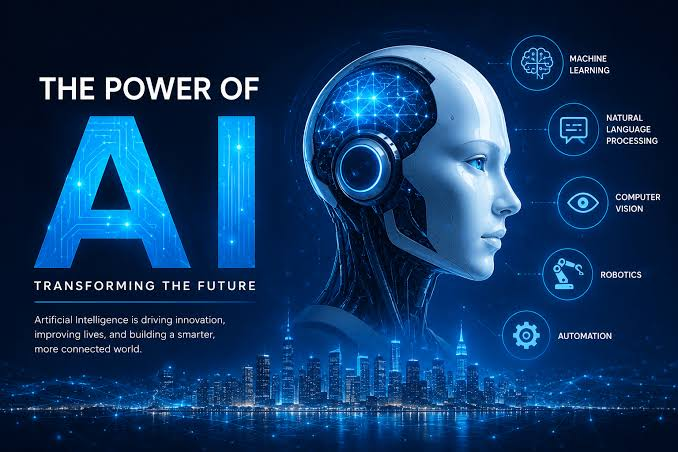
- Algorithms: Mathematical models that enable learning and decision-making.
- Data: High-quality datasets used to train AI systems.
- Computing Power: GPUs, TPUs, and cloud computing accelerate AI training and inference.
- Neural Networks: Models inspired by the human brain for recognizing complex patterns.
- Cloud AI Platforms: Scalable infrastructure for developing and deploying AI applications.
Applications of AI Technology
Healthcare
- Disease diagnosis
- Drug discovery
- Medical imaging
- Personalized treatment
- Remote patient monitoring
Finance
- Fraud detection
- Credit scoring
- Algorithmic trading
- Risk management
- Customer support
Manufacturing
- Predictive maintenance
- Smart factories
- Robotics
- Quality control
- Supply chain optimization
Retail and E-commerce
- Personalized recommendations
- Inventory management
- Dynamic pricing
- Customer service chatbots
- Sales forecasting
Education
- Personalized learning
- Intelligent tutoring systems
- Automated grading
- Learning analytics
- Language learning assistants
Transportation
- Autonomous vehicles
- Traffic optimization
- Fleet management
- Route planning
- Predictive maintenance
Benefits of AI Technology
- Increased productivity and efficiency
- Faster decision-making
- Cost reduction through automation
- Improved customer experiences
- Enhanced accuracy and consistency
- Better predictive capabilities
- Innovation in products and services
- Scalable business operations
Challenges of AI Technology
- Data privacy and security
- Algorithmic bias and fairness
- High implementation costs
- Lack of transparency in some AI models
- Workforce reskilling needs
- Regulatory and compliance requirements
- Ethical concerns regarding AI use
- Dependence on high-quality data
Future Trends in AI Technology
- Multimodal AI systems that seamlessly process text, images, audio, and video
- AI agents capable of planning and executing complex workflows
- Edge AI for real-time processing on local devices
- Explainable AI (XAI) to improve transparency and trust
- Responsible AI emphasizing fairness, accountability, and privacy
- Greater integration of AI with robotics, the Internet of Things (IoT), and 5G/6G networks
Conclusion
AI technology is transforming how organizations operate by enabling intelligent automation, data-driven decision-making, and innovative products and services. As advances in machine learning, generative AI, natural language processing, computer vision, and robotics continue, AI is expected to play an even larger role in improving productivity, solving complex challenges, and driving economic growth across industries.