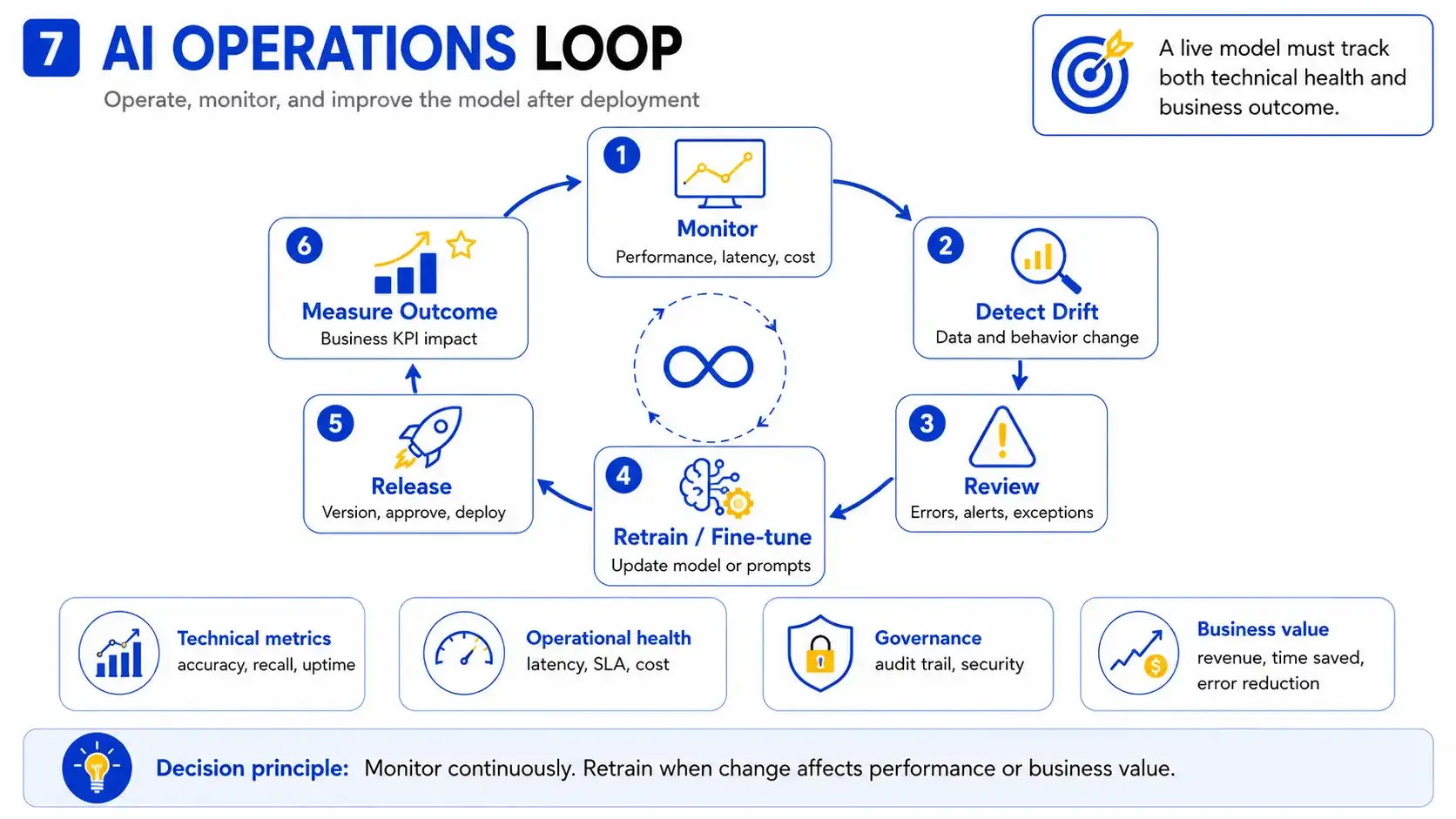
AI crisis communication refers to the use of artificial intelligence tools and technologies to help organizations identify, manage, and respond to crises quickly and effectively. AI can analyze large amounts of information, monitor public sentiment, identify potential risks, assist with content creation, and help communication teams make informed decisions during high-pressure situations.
In today’s digital environment, a crisis can spread across social media, news platforms, websites, and online communities within minutes. AI gives organizations the ability to monitor these channels and respond more efficiently while maintaining consistent communication.
What Is AI Crisis Communication?
AI crisis communication combines artificial intelligence with traditional crisis-management and public-relations practices. It helps businesses monitor conversations, detect emerging problems, understand public reactions, and develop appropriate responses.
AI-powered systems can process information much faster than manual methods. This allows communication teams to identify potential issues before they become larger problems.
For example, AI can help a company
- Monitor social media conversations
- Detect sudden changes in public sentiment
- Identify emerging reputational risks
- Analyze customer complaints
- Draft crisis statements
- Organize incoming information
- Track media coverage
- Provide real-time insights
- Personalize communication for different audiences
- Support decision-making during emergencies
Why Is AI Crisis Communication Important?
A crisis can affect a company’s reputation, customer relationships, employee confidence, and financial performance. Delayed or inconsistent communication can make the situation worse.
AI can improve crisis communication by helping organizations respond faster and understand what is happening across multiple communication channels.
1. Faster Crisis Detection
AI can continuously analyze online conversations and identify unusual activity. A sudden increase in negative mentions, complaints, or discussions about a company may indicate a developing crisis.
Early detection gives organizations more time to investigate and respond.
2. Real-Time Monitoring
AI-powered monitoring tools can track information from social media, news websites, reviews, forums, and other digital channels.
Communication teams can use these insights to understand:
- What people are saying
- Where conversations are occurring
- How quickly the issue is spreading
- Which concerns are receiving the most attention
- Whether public sentiment is improving or declining
3. Sentiment Analysis
AI can analyze language to estimate whether online conversations are positive, negative, or neutral.
During a crisis, sentiment analysis can help organizations understand public reactions and identify the issues causing the strongest negative responses.
4. Faster Response Creation
Generative AI can help communication teams prepare initial drafts for:
- Press releases
- Social media updates
- Customer notifications
- Internal announcements
- Frequently asked questions
- Executive statements
- Website updates
Human professionals should review and approve these communications before publication, especially when the situation involves sensitive or high-risk information.
5. Consistent Messaging
During a crisis, different departments may accidentally communicate conflicting information.
AI can help teams organize approved information and maintain consistent terminology, messaging, and key facts across different channels.
6. Better Decision Support
AI can summarize large amounts of information and highlight important trends. This can help executives and communication teams understand the situation without manually reviewing every message or article.
Key Components of AI Crisis Communication
An effective AI crisis communication strategy usually includes several important components.
AI-Powered Monitoring
Monitoring systems track digital conversations and identify changes that may require attention.
Natural Language Processing
Natural language processing (NLP) allows AI systems to understand and analyze human language. It can be used to categorize complaints, identify important topics, and analyze customer or public reactions.
Sentiment Analysis
Sentiment analysis helps organizations evaluate the general tone of conversations surrounding a crisis.
Predictive Analytics
Predictive systems can identify patterns and estimate how an issue may develop based on available information and historical trends.
Generative AI
Generative AI can assist with creating communication drafts, summaries, FAQs, and response variations.
Automated Alerts
AI systems can send alerts when certain keywords, sentiment levels, or unusual activity reach predefined thresholds.
7 Benefits of AI Crisis Communication
1. Improves Response Speed
AI can analyze information rapidly and help teams prepare responses faster. Speed is particularly important when misinformation or negative conversations are spreading quickly.
2. Supports Early Risk Detection
AI monitoring can identify unusual patterns before they become major reputational problems.
3. Reduces Manual Work
Communication teams often have to review large volumes of social posts, news stories, emails, and customer feedback. AI can automate much of this initial analysis.
4. Provides Data-Driven Insights
Instead of relying only on assumptions, teams can use AI-generated insights to understand audience reactions and identify important trends.
5. Strengthens Audience Understanding
AI can segment conversations according to topics, audiences, locations, or concerns, helping organizations create more relevant communication.
6. Helps Manage Misinformation
AI can help identify potentially misleading claims and compare information across available sources. Human verification is still necessary before labeling information as false.
7. Supports Reputation Management
By continuously monitoring digital conversations, organizations can identify reputation risks and respond before negative narratives become more widespread.
How AI Is Used During Different Crisis Stages
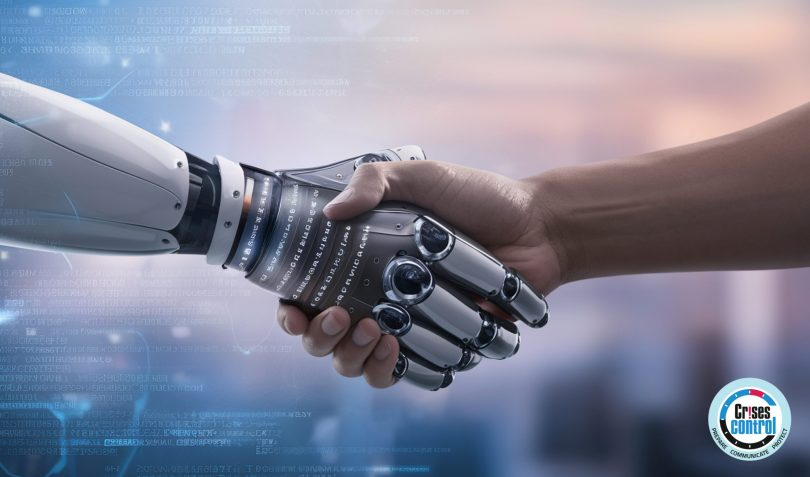
AI can support organizations throughout the entire crisis-management process.
Before a Crisis
Organizations can use AI to:
- Monitor emerging risks
- Analyze historical incidents
- Identify vulnerable areas
- Develop crisis scenarios
- Prepare communication templates
- Monitor brand sentiment
- Build crisis-response dashboards
During a Crisis
AI can help teams:
- Monitor real-time conversations
- Identify important developments
- Analyze public sentiment
- Summarize incoming information
- Draft communication materials
- Track media coverage
- Identify misinformation
- Monitor response effectiveness
After a Crisis
AI can support post-crisis analysis by helping organizations:
- Measure sentiment changes
- Review media coverage
- Analyze customer feedback
- Identify communication weaknesses
- Evaluate response performance
- Create lessons-learned reports
- Improve future crisis plans
AI Crisis Communication Examples
If a company discovers a product safety issue, AI monitoring can help identify customer concerns across social platforms and online reviews. Communication teams can then use these insights to create clear customer updates and FAQs.
Cybersecurity Incident
Following a cybersecurity incident, AI can help organizations monitor online discussions and identify emerging questions. Teams can use the information to improve FAQs and provide consistent updates.
Negative Social Media Campaign
If a brand suddenly receives thousands of negative mentions, AI can analyze the conversations and identify the major topics driving the reaction.
Service Outage
During a major service interruption, AI can monitor customer complaints and identify the most common problems. Organizations can use these insights to prioritize updates and improve customer communication.
AI Crisis Communication Best Practices
1. Keep Humans in Control
AI should support communication professionals rather than completely replace them. Human judgment is especially important when messages involve legal, ethical, safety, or reputational issues.
2. Verify Information
AI-generated content can contain inaccurate or incomplete information. Every important claim should be verified before publication.
3. Respond Quickly but Carefully
Speed matters during a crisis, but organizations should not sacrifice accuracy for speed.
4. Use Clear and Simple Language
Crisis communication should be easy to understand. Avoid unnecessary technical language and complicated explanations.
5. Show Empathy
Technology cannot replace genuine human understanding. Crisis messages should acknowledge concerns and communicate with empathy.
6. Maintain Transparency
Organizations should clearly explain what is known, what is not yet known, and what actions are being taken.
7. Establish Approval Processes
Companies should determine who can approve AI-assisted crisis communications before a crisis occurs.
8. Protect Sensitive Information
Organizations must carefully manage confidential, personal, and proprietary information when using AI systems.
Challenges of AI Crisis Communication
Despite its advantages, AI crisis communication also presents several challenges.
Accuracy Problems
AI systems can produce incorrect information or misunderstand context. Human verification is therefore essential.
Lack of Emotional Understanding
AI may struggle to fully understand the emotional and cultural context surrounding a crisis.
Privacy Concerns
Using customer messages, employee information, or other sensitive data with AI systems can create privacy and security risks.
Misinformation
AI can potentially generate convincing but inaccurate content. Organizations need strong verification procedures.
Over-Automation
Relying too heavily on automated responses can make communication appear robotic or insensitive.
Bias
AI systems may reflect biases present in their training data or underlying models. Organizations should monitor outputs for unfair or misleading patterns.
AI Crisis Communication Strategy
A practical strategy can follow these steps:
Step 1: Identify Potential Risks
Determine which events could negatively affect the organization.
Step 2: Establish Monitoring Systems
Use AI to monitor relevant news, social media, reviews, and other communication channels.
Step 3: Set Crisis Alerts
Create thresholds for unusual activity, negative sentiment, or specific keywords.
Step 4: Create a Crisis Response Team.
Assign responsibilities to communication, legal, technical, customer service, and leadership teams.
Step 5: Develop Response Templates
Prepare flexible templates for common crisis situations.
Step 6: Verify Information
Confirm important facts before communicating them publicly.
Step 7: Respond Through Appropriate Channels
Select the platforms that are most relevant to affected audiences.
Step 8: Monitor the Reaction
Continue using AI-powered analysis to understand how audiences respond.
Step 9: Adjust Communication
Update messages as new facts become available.
Step 10: Conduct a Post-Crisis Review
Analyze what worked, what failed, and how the organization can improve.
The Future of AI Crisis Communication
AI is likely to become increasingly integrated into corporate communication and crisis-management systems. Organizations may use more advanced AI to identify risks earlier, analyze increasingly complex information, and provide real-time decision support.
However, successful crisis communication will continue to depend on a combination of technology, human judgment, transparency, empathy, and accountability.
AI can process information quickly, but organizations remain responsible for the decisions they make and the messages they publish.
Conclusion
AI crisis communication provides organizations with powerful tools for detecting risks, monitoring public conversations, analyzing sentiment, creating communication drafts, and supporting crisis-response decisions. Its greatest value comes from combining AI’s speed and analytical capabilities with human expertise and judgment.
Businesses that establish clear AI governance, verify information, protect sensitive data, and maintain human oversight can use AI to build faster and more effective crisis communication processes. When implemented responsibly, AI can help organizations respond to challenges while protecting trust, credibility, and reputation.