Introduction
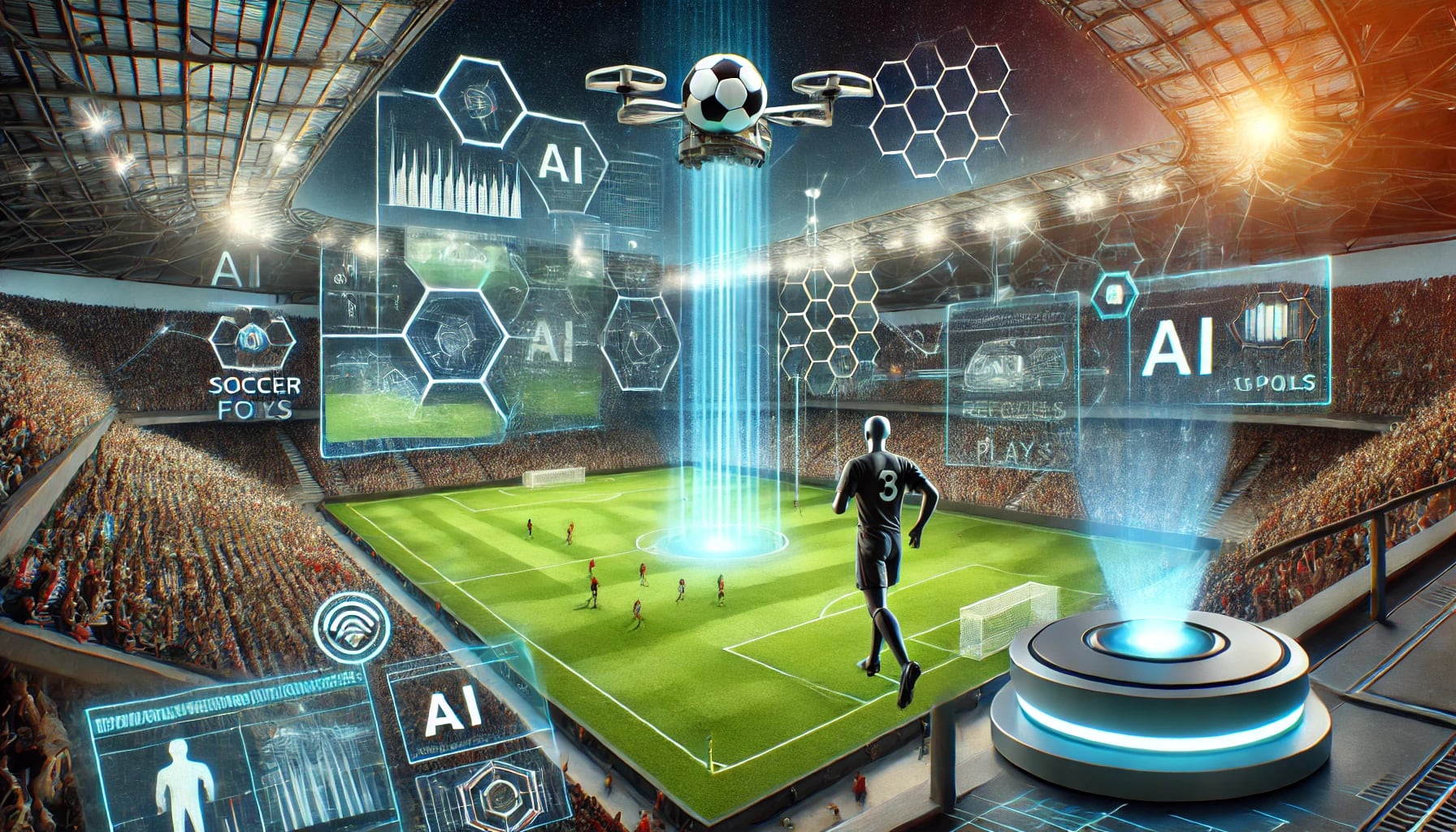
AI Match Analysis is the use of Artificial Intelligence (AI), machine learning, computer vision, and data analytics to evaluate sports matches. AI analyzes player movements, team tactics, game statistics, and real-time events to provide coaches, athletes, analysts, broadcasters, and fans with actionable insights. By processing vast amounts of data quickly and accurately, AI helps improve performance, optimize strategies, and support informed decision-making.
How AI Match Analysis Works
- Data Collection: Match data is gathered from cameras, GPS trackers, wearable sensors, and event logs.
- Video Analysis: Computer vision detects players, officials, the ball, and key actions.
- Pattern Recognition: Machine learning identifies trends, strengths, weaknesses, and recurring tactical patterns.
- Performance Evaluation: AI measures player and team performance using advanced metrics.
- Predictive Insights: AI forecasts likely outcomes, tactical adjustments, and performance trends based on historical and live data.
Key Features of AI Match Analysis
1. Player Performance Analysis
AI evaluates individual player performance by tracking:
- Distance covered
- Running speed
- Passing accuracy
- Shooting efficiency
- Ball possession
- Defensive actions
- Physical workload
2. Team Tactical Analysis
AI examines team strategies, including:
- Team formations
- Ball possession patterns
- Passing networks
- Pressing intensity
- Defensive organization
- Attacking movements
- Set-piece effectiveness
3. Opponent Analysis
AI helps teams prepare by analyzing opponents’:
- Playing style
- Formation changes
- Key players
- Strengths and weaknesses
- Scoring patterns
- Defensive vulnerabilities
4. Real-Time Match Insights
- Live performance metrics
- Tactical recommendations
- Momentum analysis
- Win probability estimates
- Player fatigue indicators
- Substitution suggestions
5. Injury Risk Monitoring
AI combines wearable sensor data with player workload to identify signs of fatigue or increased injury risk, helping coaching and medical staff manage player fitness.
Technologies Used
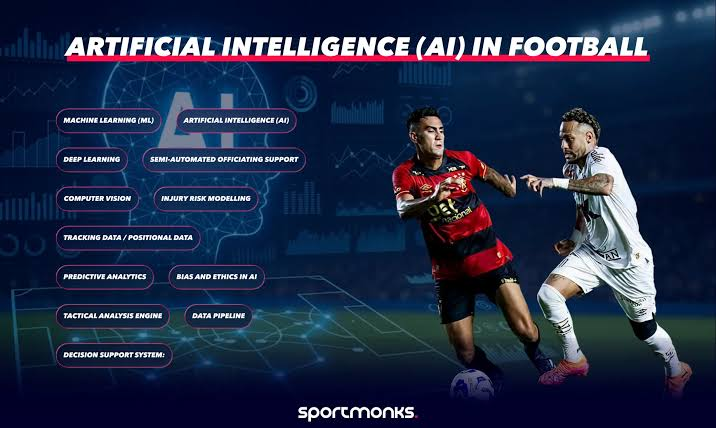
- Artificial Intelligence (AI)
- Machine Learning (ML)
- Deep Learning
- Computer Vision
- Natural Language Processing (NLP)
- Predictive Analytics
- Big Data Analytics
- Wearable Sensors
- GPS Tracking Systems
- Cloud Computing
Applications Across Sports

AI match analysis is widely used in:
- Football (Soccer)
- Cricket
- Basketball
- Tennis
- Baseball
- Rugby
- Hockey
- Volleyball
- Formula 1
- Esports
Benefits of AI Match Analysis
- Improves player performance through objective feedback
- Supports better tactical planning
- Enhances coaching decisions
- Reduces injury risk through workload monitoring
- Provides faster and more accurate analysis
- Increases fan engagement with advanced statistics
- Assists broadcasters with real-time insights
- Helps teams gain a competitive advantage
Challenges
- High implementation and maintenance costs
- Dependence on high-quality, accurate data
- Privacy and security concerns related to athlete data
- Potential algorithmic bias
- Integration with existing sports technologies
- Need for skilled analysts to interpret AI-generated insights
Future Trends
The future of AI match analysis is expected to include:
- Fully automated tactical analysis
- More accurate performance predictions
- AI-powered virtual coaching assistants
- Real-time strategy optimization
- Digital twins for player simulation
- Enhanced injury prevention models
- Personalized training recommendations
- Deeper integration with augmented reality (AR) and virtual reality (VR)
Conclusion
AI match analysis is transforming modern sports by providing data-driven insights that improve player development, tactical planning, and overall team performance. As AI technologies continue to evolve, sports organizations will be able to make faster, smarter decisions, creating safer training environments, more competitive teams, and richer experiences for fans.