The competitive intelligence landscape has undergone a profound transformation as organizations face unprecedented data growth and rapidly shifting market conditions. Traditional approaches to monitoring competitors and analyzing market trends—once effective for quarterly strategic planning—are no longer sufficient in an environment where competitive advantages can emerge and vanish within days.
Artificial intelligence has become a critical force driving the next generation of competitive intelligence, delivering capabilities that extend well beyond basic automation. By analyzing millions of data points across diverse sources in real time, AI systems can uncover hidden patterns, anticipate market shifts, and generate insights that would be impossible to identify through manual analysis alone.
What is AI-powered competitive intelligence?
AI-powered competitive intelligence represents a sophisticated integration of artificial intelligence technologies with traditional market intelligence practices, creating a fundamentally new approach to understanding competitive
At the foundation of AI-powered competitive intelligence are three core capabilities: machine learning algorithms that identify patterns, correlations, and anomalies across large datasets; natural language processing systems that extract meaning from unstructured information; and predictive analytics engines that forecast potential market developments by analyzing historical trends alongside emerging signals. Together, these technologies transform fragmented data into actionable intelligence, enabling organizations to analyze everything from competitor patent activity and financial disclosures to social media sentiment, customer feedback, and market conversations.
The scale and speed of AI-driven analysis far exceed the practical limits of human research teams.
The most significant advancement is the transition from reactive to proactive intelligence. AI-powered systems enable organizations to anticipate future developments by detecting early indicators of strategic movement.
Changes in hiring trends can indicate organizational priorities or potential market expansion. Shifts in supplier relationships may expose evolving supply chain strategies, operational risks, or new opportunities for market entry
Key Benefits of AI in Competitive Intelligence
AI-powered competitive intelligence delivers significant advantages by enabling organizations to analyze complex market environments faster, more accurately, and with greater strategic depth.
1. Real-Time Market Monitoring and Faster Insights
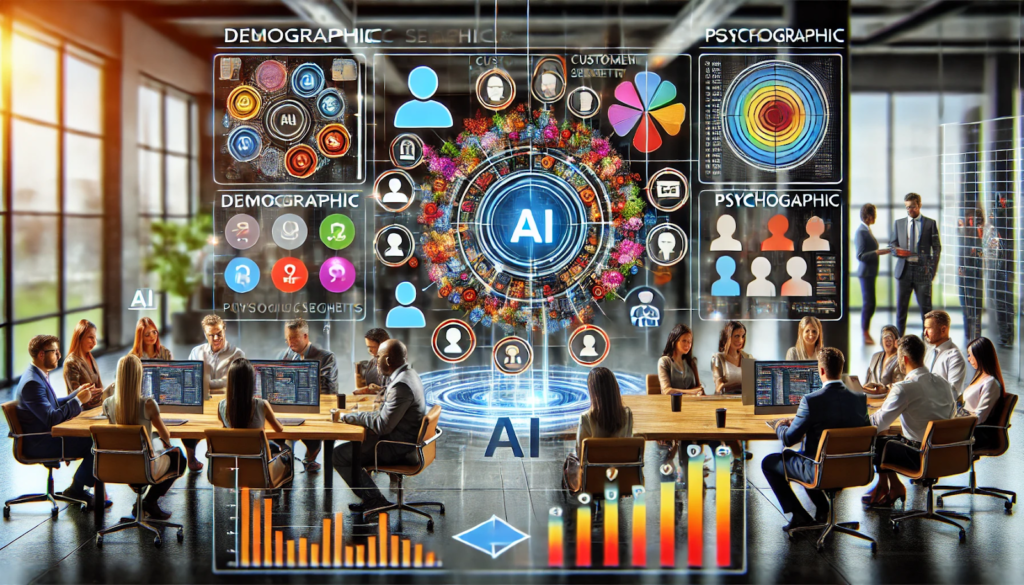
AI systems continuously collect and analyze information from multiple sources, including news, competitor websites, regulatory filings, social media, customer feedback, and industry publications.
2. Enhanced Data Processing and Analysis
Traditional competitive intelligence methods are limited by the amount of information human teams can review.
3. Predictive Market Intelligence
AI moves competitive intelligence from historical analysis toward future-focused decision-making. By analyzing patterns, behaviors, and market signals, predictive models can help organizations anticipate competitor strategies, emerging technologies, customer shifts, and potential market disruptions.
4. Improved Decision-Making Accuracy
By combining data from multiple sources and reducing reliance on manual interpretation, AI provides executives with more comprehensive and evidence-based insights. This supports better strategic planning, investment decisions, product development, and market positioning
5. Continuous Competitive Advantage
AI enables organizations to maintain an always-on understanding of their competitive environment. By continuously learning from new information and adapting to market changes, AI-powered intelligence systems help companies sustain strategic advantages in fast-moving industries.
6. Democratization of Strategic Insights
AI-powered competitive intelligence platforms make sophisticated analysis accessible across departments, allowing leaders, product teams, sales organizations, and strategy groups to access relevant insights and make more informed decisions.
Conclusion
AI-driven competitive intelligence is redefining how organizations understand, anticipate, and respond to evolving market dynamics. By combining artificial intelligence, machine learning, natural language processing, and predictive analytics, businesses can move beyond traditional approaches based on historical reporting and manual research toward a continuous, proactive intelligence model.
The ability to process vast amounts of structured and unstructured data in real time enables organizations to uncover hidden patterns, identify emerging opportunities, detect competitive threats, and make faster, more informed strategies.
As markets become increasingly complex and competitive, organizations that successfully integrate AI into their competitive intelligence strategies will gain a significant advantage.
Ultimately, AI-driven competitive intelligence represents a fundamental shift from reacting to market changes toward anticipating them. Companies that embrace these capabilities will be better positioned to innovate, adapt, and maintain sustainable competitive advantages in an increasingly dynamic global business environment.