
1.How do Best Analyze Users?
Best Analyze users by examining behavior, preferences, interactions, and customer data. It uses machine learning and data analysis to identify patterns and predict what users may need or do next.
Common methods include:
Behavior – Studies searches, clicks, purchases, and browsing activity.
Preference – Identifies products, services, or content users prefer.
Sentiment – Understands opinions from reviews, comments, and feedback.
User Segmentation – Groups users with similar behaviors or interests.
Predictive – Predicts future actions, such as purchases or customer churn.
Personalization – Provides recommendations and experiences based on user behavior.
Actions Based on data Best Analyze
1.Data Collection
User profile (name, age, preferences, if provided)
Search queries
Purchase history
Browsing behavior
Clicks and interactions
2.Data Processing
The collected data is cleaned and organized.
3.Understanding User Intent
Using Natural Language Processing (NLP), AI interprets what the user wants.
Example:
Product: Laptop
Budget: Low cost
Purpose: Programming
4.Pattern Recognition
Frequently visited pages
Favorite products
Common search topics
Preferred time of activity
5.Personalization
Recommend products or movies
Customize advertisements
Suggest articles or videos
Improve chatbot responses
2.Best Analyze Requirements Management:
AI is increasingly used in Requirements Management to improve the quality, speed, and consistency of gathering, analyzing, documenting, and maintaining software or system requirements throughout a project’s lifecycle.
3.Best Analyze Applications in Requirements Management:
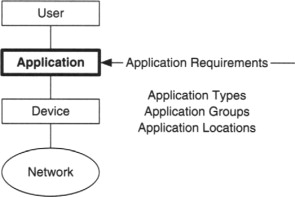
- Requirements ElicitationAI chatbots and virtual assistants can interview stakeholders and collect requirements.
- Speech-to-text and natural language processing (NLP) can convert meetings into structured requirements.
- AI can identify missing or ambiguous information by analyzing stakeholder conversations.
- Requirements Analysis
- Detects ambiguous, inconsistent, duplicate, or conflicting requirements.
- Classifies requirements into functional and non-functional categories.
- Suggests improvements for clarity and completeness.
- Requirements Documentation
- Generates Software Requirements Specification (SRS) documents automatically.
- Converts informal descriptions into standardized requirement statements.
- Maintains consistent terminology across documents.
- Requirements Prioritization
- Uses machine learning to rank requirements based on business value, risk, cost, or customer feedback.
- Supports decision-making using historical project data.
- Requirements Traceability
- Automatically links requirements to design documents, test cases, code, and user stories.
- Change Management
- Predicts the impact of requirement changes on cost, schedule, and quality.
- Recommends actions to minimize project risks.
- Quality Assurance
- Checks requirements against quality standards testability, feasibility and consistency.
- Flags incomplete or unverifiable requirements.
- Predictive Analytics
- Estimates project risks based on historical requirements data.
- Predicts requirement volatility and possible project delays.
4.Benefits of in Requirements Management
Faster requirements gathering and analysis.
Improved requirement quality and consistency.
Reduced human errors and ambiguities.
Better collaboration among stakeholders.
Automated documentation and traceability.
Enhanced decision-making through data-driven insights.
Lower project costs and reduced development time.
Challenges
AI depends on high-quality training data.
Initial implementation costs can be significant.
AI-generated requirements require human validation and approval.
5.Common Technologies Used
Natural Language Processing (NLP): Understands and analyzes textual requirements.
Machine Learning (ML): Learns from historical project data to make predictions and recommendations.
Large Language Models (LLMs): Generate, summarize, rewrite, and improve requirement documents.
Knowledge Graphs: Represent relationships between requirements, stakeholders, and system components.
Predictive Analytics: Forecasts risks, effort, and project outcomes.
Example
A stakeholder states:
“The system should allow customers to pay online securely.”
An AI tool can:
Classify it as a functional requirement.
Suggest measurable wording:
Link it to related security requirements and payment test cases.Flag any missing details, performance constraints.
6.Popular AI-Enabled Requirements Management Tools
IBM IBM Engineering Requirements Management DOORS Next
Atlassian Jira (with AI features and integrations)Microsoft Azure DevOps
Jama Software Jama Connect
OpenAI ChatGPT for drafting, reviewing, and refining requirements
conclusion:
AI is becoming an essential tool for analyzing business needs, understanding users, and improving decision-making. By examining customer behavior, identifying patterns, automating tasks, and predicting future trends, AI helps businesses meet their requirements more efficiently. When implemented with clear goals and responsible data practices, AI can improve productivity, customer experiences, and long-term business growth.