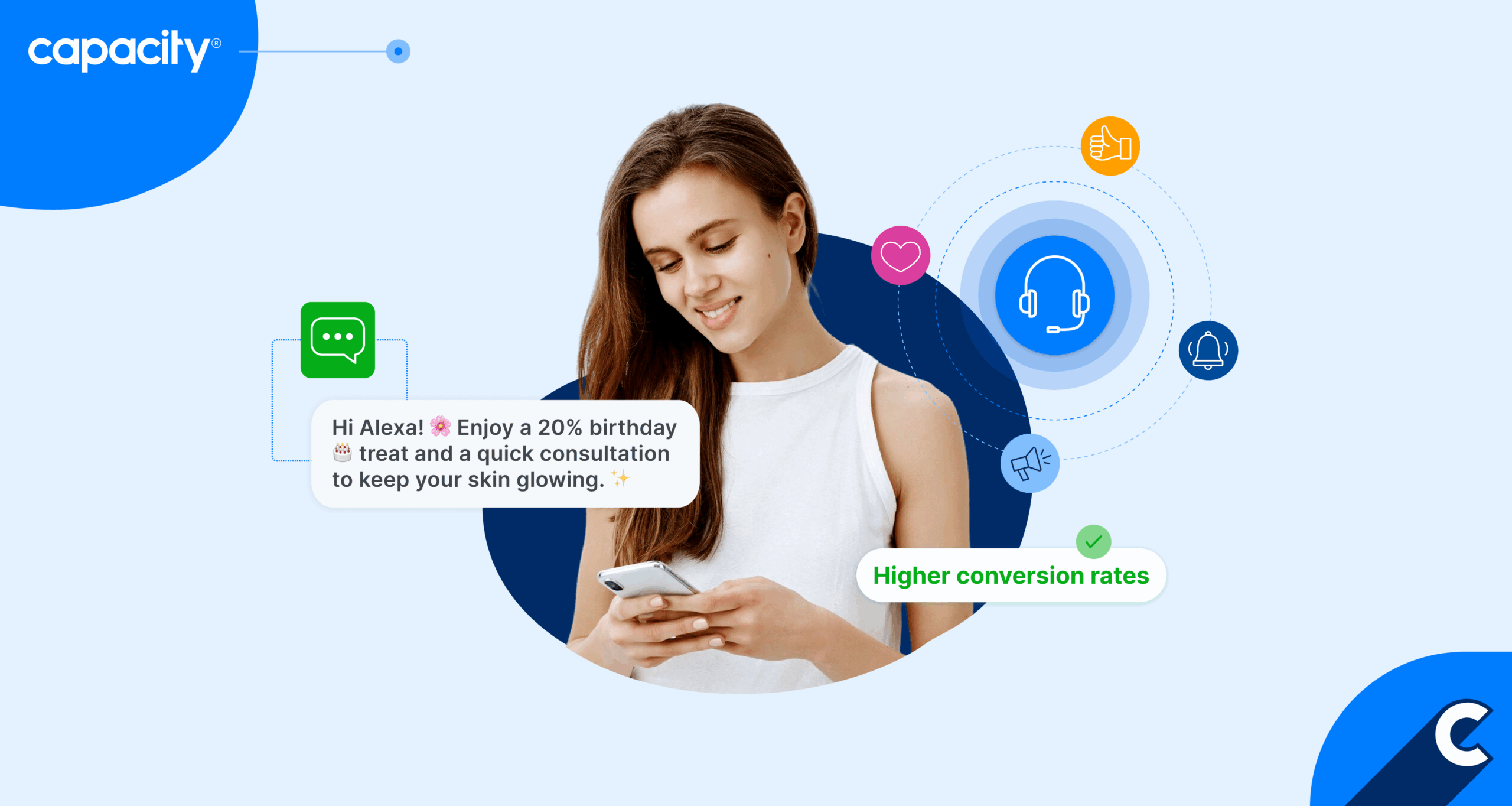
A personalized customer experience focuses on creating interactions that are relevant to each individual customer. Instead of treating every customer the same, organizations tailor experiences based on factors such as preferences, behavior, purchase history, and previous interactions.
Personalization can help businesses build stronger customer relationships, increase satisfaction, and encourage long-term retention.
What Is a Personalized Customer Experience?
A personalized customer experience is an approach that focuses on the individual customer rather than providing the same experience to everyone. It involves tailoring interactions according to a customer’s preferences, behaviors, history, and previous touchpoints.
Instead of sending identical recommendations, messages, or support to every customer, businesses use relevant customer information to create interactions that feel more useful and meaningful.
Examples of a Personalized Customer Experience

A personalized customer experience can appear throughout the customer journey. Businesses can use customer information, preferences, and behavior to make interactions more relevant and helpful.
1. Product Recommendations
Businesses can recommend products or services based on a customer’s browsing behavior, purchase history, and preferences. This helps customers discover relevant products more quickly.
For example, an online clothing retailer might recommend new items that match products a customer has purchased previously.
2. Tailored Marketing Messages
Instead of sending identical emails, advertisements, and promotions to every customer, businesses can use customer data to create more relevant marketing communications.
Messages can be tailored according to factors such as:
- Customer interests
- Lifecycle stage
- Recent activity
- Previous purchases
- Engagement behavior
This can make marketing communications more relevant to individual customers.
3. Customized Service Interactions
Customer-support teams can personalize interactions using information about a customer’s previous issues, preferred communication channels, and account history.
Having this context allows support representatives to understand the customer’s situation more quickly and provide more relevant assistance, potentially improving resolution times and customer satisfaction.
4. Proactive Support
Personalization can also help businesses provide support before customers need to ask for it.
For example, an organization might send the following:
- Renewal reminders
- Important alerts
- Appointment reminders
- Account notifications
- Milestone-based messages
These proactive interactions can reduce friction and help customers stay informed.
Why Do Customers Expect a Personalized Experience?

Customers increasingly want interactions that are quick, relevant, and easy. Personalization helps businesses deliver information, recommendations, and support that match individual needs instead of providing the same experience to everyone.
1. Customers Want Faster, More Relevant Interactions
Customers want to find what they need with less effort. Personalized experiences can make this easier by providing relevant information:
- Product recommendations
- Support conversations
- Reminders
- Offers
- Information
For example, a timely reminder based on a customer’s activity can be more useful than a generic message sent to everyone.
2. Customers Want to Feel Recognized
People do not want to feel like just another number. When businesses use customer data and context appropriately, interactions can feel more human and authentic.
Personalization can show that an organization understands:
- Who the customer is
- What they need
- What they have previously done
- What matters to them
This can remain true even when businesses use automation or virtual agents.
3. Expectations Are Increasing
As more brands provide personalized digital experiences, customers increasingly expect similar experiences from other organizations.
The source provided states that nearly four out of five customers worldwide are comfortable with personalization. This suggests that personalization is becoming a normal part of everyday customer interactions rather than simply an optional feature.
4. Personalization Builds Trust
When personalization feels thoughtful, relevant, and natural, it can strengthen the relationship between customers and brands.
The key is balance. Businesses should use customer information to make interactions more useful without making customers feel uncomfortable or monitored.
Conclusion
Customers expect personalization because they want relevant experiences, faster service, and recognition as individuals. When organizations combine customer data, context, and appropriate automation, they can create interactions that feel more human while building trust, satisfaction, and stronger customer relationships.