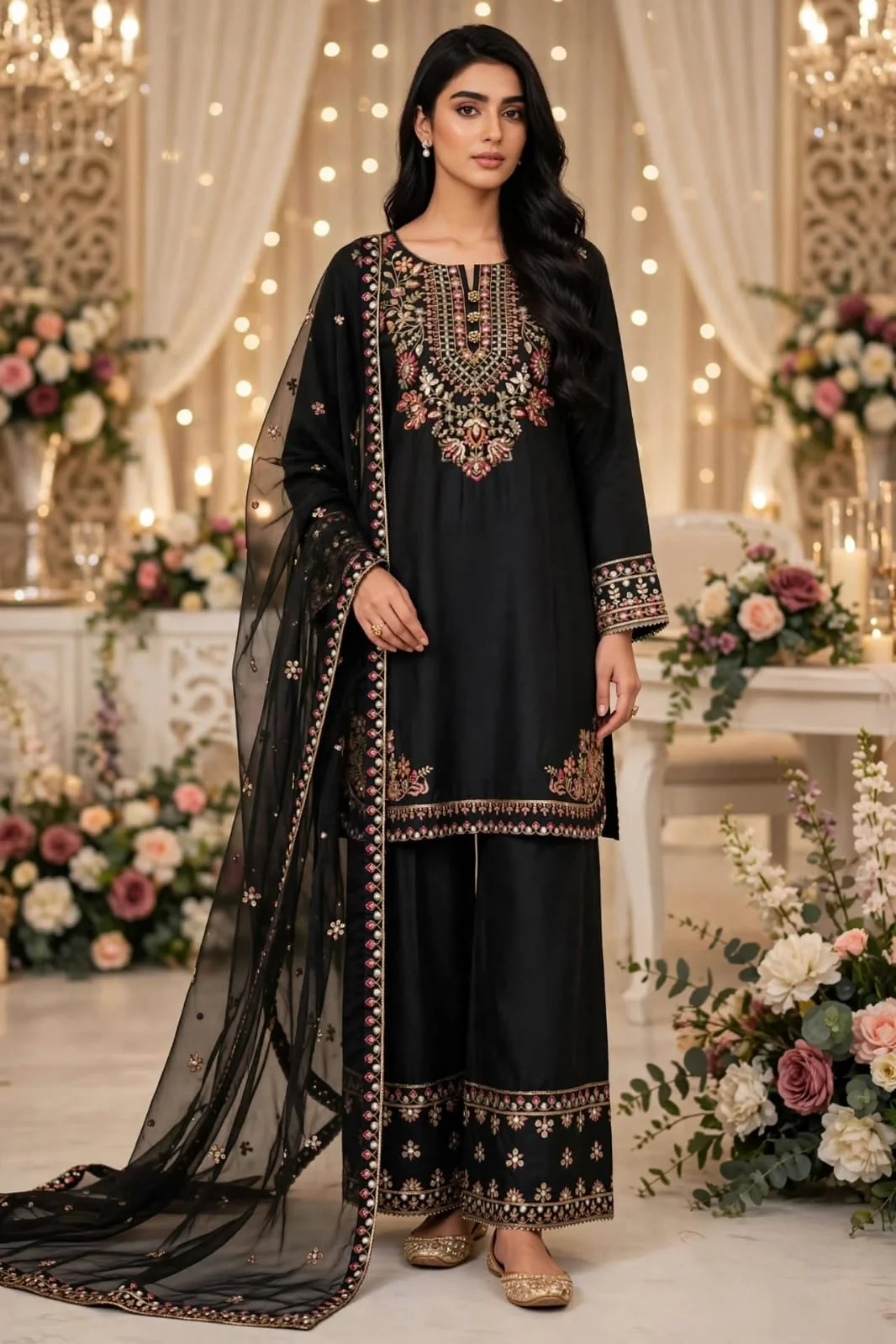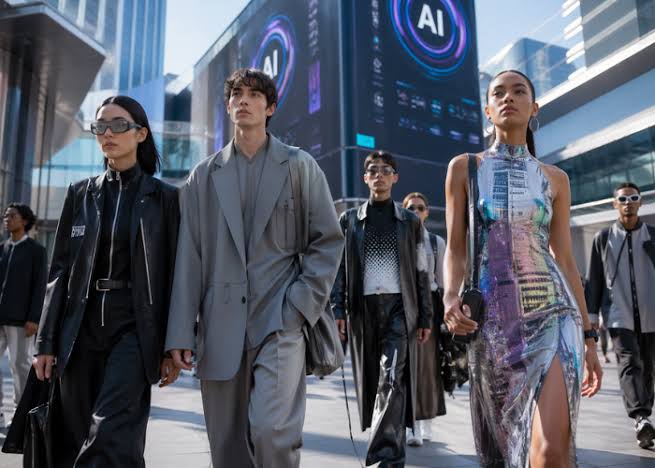
AI Fashion Trends Beyond Tomorrow explores how artificial intelligence is transforming the way people discover, design, buy, and experience fashion. From AI-powered personal styling to virtual clothing and predictive trend analysis, technology is making fashion more personalized, creative, and data-driven.
What Is AI Fashion?
AI fashion combines artificial intelligence with fashion design, retail, marketing, and styling. AI systems can analyze customer preferences, identify emerging trends, recommend outfits, generate designs, and even create virtual fashion models.
Key AI Fashion Trends
- AI Personal Styling: AI recommends outfits based on preferences, occasions, colors, and existing wardrobes.
- AI Fashion Design: Designers can use generative AI to explore new patterns, silhouettes, materials, and concepts.
- Virtual Try-On: AI and augmented reality can help shoppers visualize clothing before purchasing.
- Trend Prediction: AI analyzes searches, social media, sales, and consumer behavior to identify upcoming fashion trends.
- AI Fashion Models: Brands can create digital models and virtual campaigns without traditional photoshoots.
- Personalized Shopping: AI can customize product recommendations for individual shoppers.
- Sustainable Fashion: Predictive analytics can help brands better estimate demand and potentially reduce overproduction and waste.
Why AI Is Changing Fashion
Traditional fashion often depends on seasonal forecasting and extensive human research. AI can process huge amounts of information much faster, helping brands respond to changing consumer interests.
For shoppers,
This can mean more relevant recommendations and personalized experiences. For designers, AI can become a creative tool for experimenting with ideas that might otherwise take much longer to develop.
How Do AI Fashion Trends Beyond Tomorrow Work?
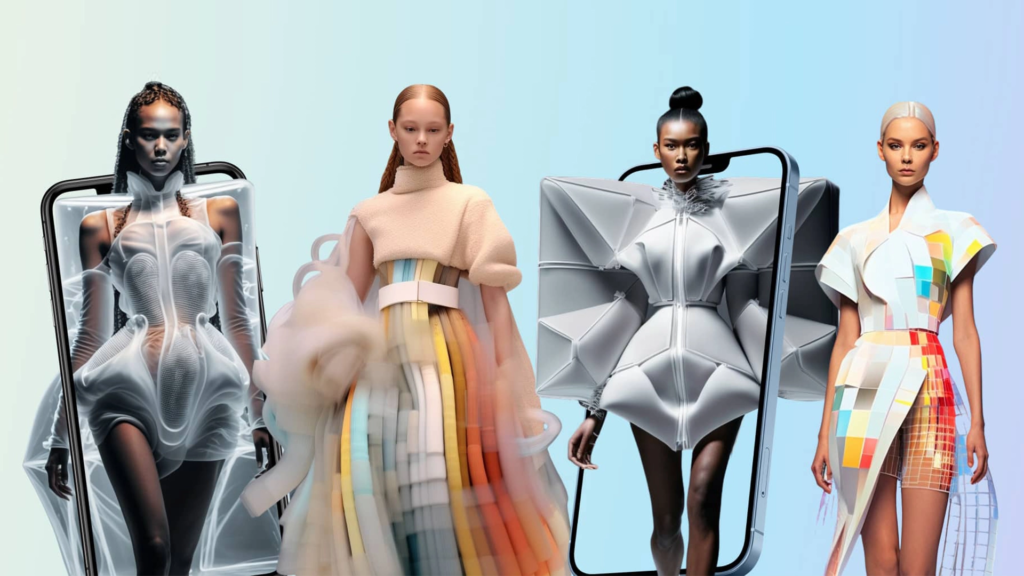
1. AI Collects Fashion Data
AI analyzes information from social media, fashion websites, search trends, online shopping, runway collections, and customer behavior.
2. AI Identifies Emerging Trends
Machine-learning algorithms detect patterns in colors, fabrics, styles, silhouettes, and consumer preferences. This helps predict which fashion trends may become popular.
3. AI Creates New Designs
Generative AI can produce fashion concepts from text or visual prompts. Designers can use these concepts to explore patterns, outfits, materials, and styles.
4. AI Personalizes Fashion
AI can study a shopper’s preferences, previous purchases, body measurements, and browsing behavior to recommend suitable clothing and accessories.
5. AI Powers Virtual Try-Ons
Computer vision and augmented reality can help users visualize how clothing, accessories, or different styles might look before purchasing.
6. AI Supports Fashion Brands
Brands can use AI for demand forecasting, inventory planning, marketing, customer service, and product recommendations. This can make fashion operations more efficient.
7. AI Continuously Learns
As new fashion data becomes available, AI models can update their understanding of consumer preferences and changing trends.
This creates a continuous cycle:
Data → Analysis → Trend Prediction → Design → Personalization → Customer Feedback → New Insights
Beyond Tomorrow
The future could combine AI with virtual fashion, digital wardrobes, smart recommendations, 3D design, and immersive shopping. AI won’t necessarily replace human designers; instead, it can act as a creative and analytical partner that helps fashion move faster and become more personalized.
AI Fashion Trends Beyond Tomorrow in 2026
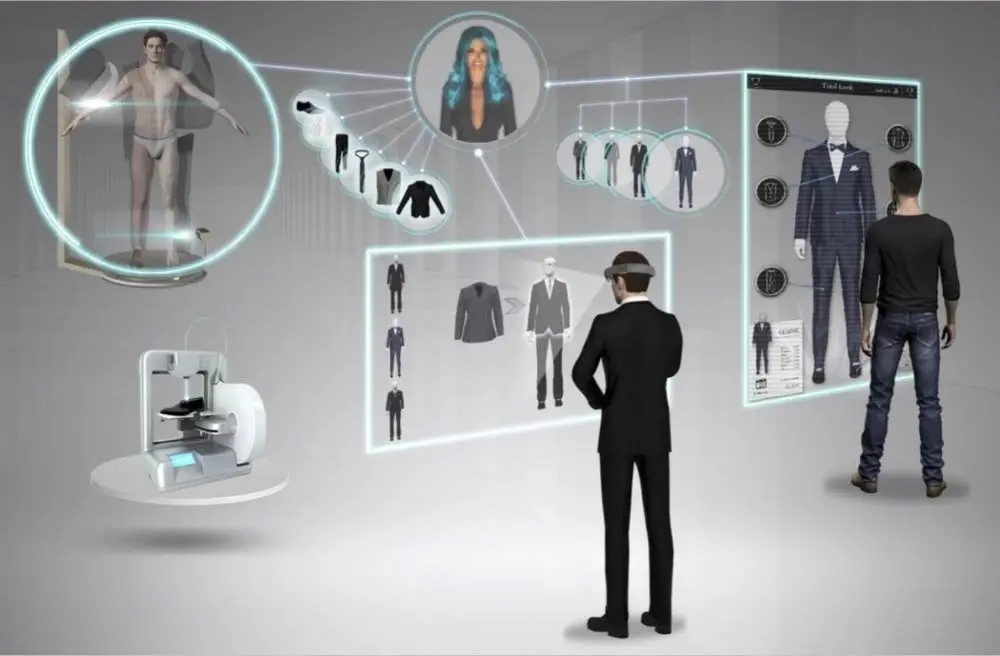
In 2026, AI is moving from an experimental fashion tool to a major part of design, shopping, marketing, and personalization. Fashion brands are increasingly using AI for product discovery, content creation, customer service, trend forecasting and personalized recommendations.
1. AI-Powered Trend Forecasting
AI analyzes social media, search behavior, sales data, and fashion imagery to identify emerging colors, styles, patterns, and consumer preferences. This allows brands to respond to trends faster.
2. Generative AI Fashion Design
Designers can use generative AI to develop new prints, silhouettes, outfit concepts, and visual ideas. Instead of replacing creativity, AI can accelerate experimentation and help designers explore more possibilities.
3. AI Personal Stylists
AI-powered assistants are becoming digital stylists. Shoppers can describe an occasion, preferred aesthetic, budget, or color and receive personalized outfit suggestions. Amazon, for example, has expanded conversational fashion discovery through its AI shopping assistant.
4. Virtual Try-On
Virtual try-on allows shoppers to upload a photo or use an avatar to visualize clothing on themselves. Newer systems use generative AI to produce more realistic representations of garments, body shapes, folds, and fit.
5. Hyper-Personalized Fashion
AI can combine body measurements, style preferences, and shopping behavior to recommend more relevant garments. Research published in 2026 describes systems integrating body measurement, preference learning, virtual try-on, and automated design recommendations.
6. AI Shopping Agents
One of the biggest 2026 developments is the rise of the AI shopper. Instead of simply searching for products, consumers can increasingly ask AI assistants to discover, compare, and recommend products. McKinsey identifies agentic AI and AI-assisted shopping as important forces shaping fashion in 2026.
7. Sustainable and On-Demand Fashion
AI-powered personalization can help brands better match production with individual demand. This may reduce unnecessary inventory and support more customized, on-demand manufacturing.
8. The Human Side of AI Fashion
Despite rapid automation, human creativity remains essential. Fashion depends on culture, craftsmanship, storytelling, originality, and emotional connection. Research in 2026 also highlights ethical questions surrounding AI-generated fashion design and trend forecasting.
The 2026 Fashion Formula
AI Data → Trend Prediction → Creative Design → Personalization → Virtual Try-On → AI Shopping → Customer Feedback
The Future of AI Fashion
The next stage of AI fashion could bring increasingly intelligent digital wardrobes, personalized virtual stylists, AI-generated collections, immersive shopping experiences, and adaptive fashion platforms.However, the future isn’t only about automation. Human creativity, cultural influence, craftsmanship, and personal expression will remain important. The strongest fashion brands may be those that use AI to enhance creativity rather than replace it.
Final Thought
AI Fashion Trends Beyond Tomorrow represents a shift toward a more intelligent and personalized fashion industry. As AI continues to evolve, technology and human creativity could work together to create styles, shopping experiences, and fashion trends that feel more individual than ever.