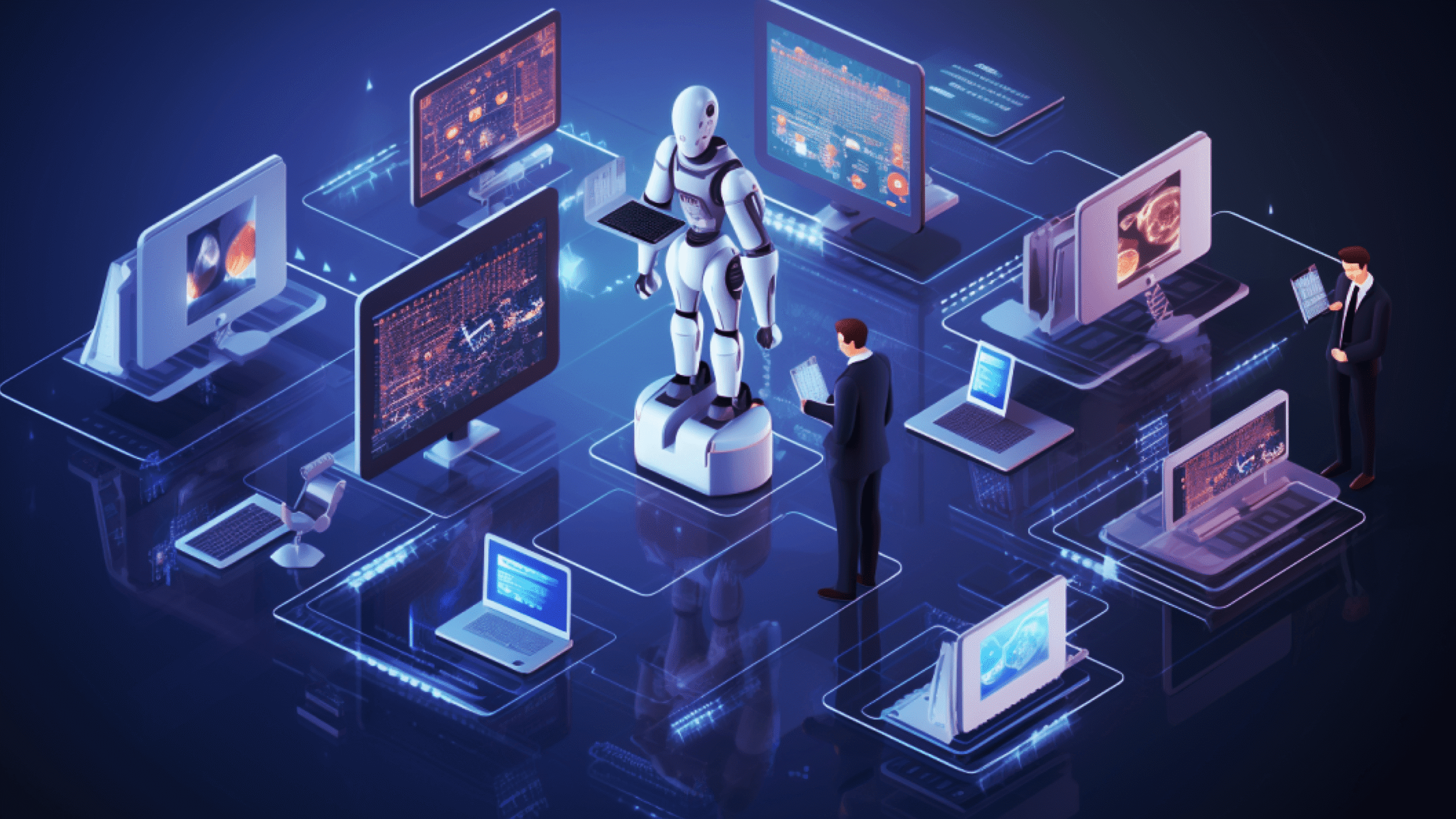
AI Workflow Trends:: Artificial intelligence is no longer solely defined by its capacity to generate text or answer questions. The latest version of AI aims to produce connected experiences that smoothly combine intelligent models, creative platforms, and automated operations. This shift is helping businesses move from discrete AI tasks to whole end-to-end productivity solutions.
As companies continue to integrate AI into their daily operations, the emphasis is shifting toward more intelligent collaboration, faster execution, and scalable digital workflows.
The Development of AI Beyond Independent Models
The main purpose of early AI apps was to carry out certain tasks, such as creating simple graphics or composing content. The AI ecosystem of today is significantly more advanced, allowing users to integrate several technologies into a single workflow that facilitates execution, planning, and creation.
Professionals can handle complicated projects more effectively and spend less time navigating between apps thanks to these integrated systems.
The outcome is a more efficient creative process that increases consistency and speed.
Advanced AI Models Keep Driving Innovation
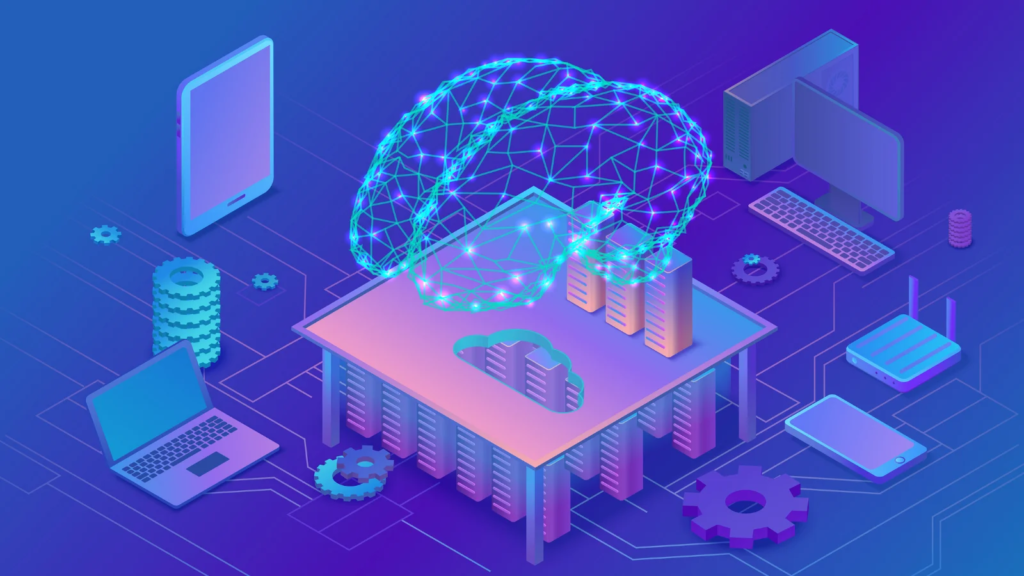
The ability of robots to comprehend language, evaluate context, and react to intricate demands has greatly improved due to the quick development of AI models. Companies increasingly anticipate that AI systems will deliver precise insights while adjusting to a range of professional use cases.
MiniMax H3 is one of the most recent developments, showing how contemporary AI models are changing to provide more robust reasoning, quicker processing, and more dependable performance. Because of these features, AI is becoming more and more useful for professionals in the fields of research, creative production, business strategy, and content development.
Users can take on increasingly complex tasks with increased assurance as AI intelligence advances.
Enhanced Creative Efficiency thru Connected AI Platforms
The shift to integrated creative ecosystems is one of the major developments influencing the AI sector. Organizations are implementing platforms that combine various AI capabilities into a single environment instead of depending on disparate tools.
By facilitating more seamless connections between creative tools and AI-powered processes, OpenArt MCP embodies this growing emphasis on connected workflows. While preserving creative liberty, integrated platforms assist teams in project organization, production acceleration, and the reduction of needless manual labor.
Businesses may enhance cooperation and more efficiently expand content development by integrating AI with more comprehensive production procedures.
Teams Are Working Smarter Thanks to AI
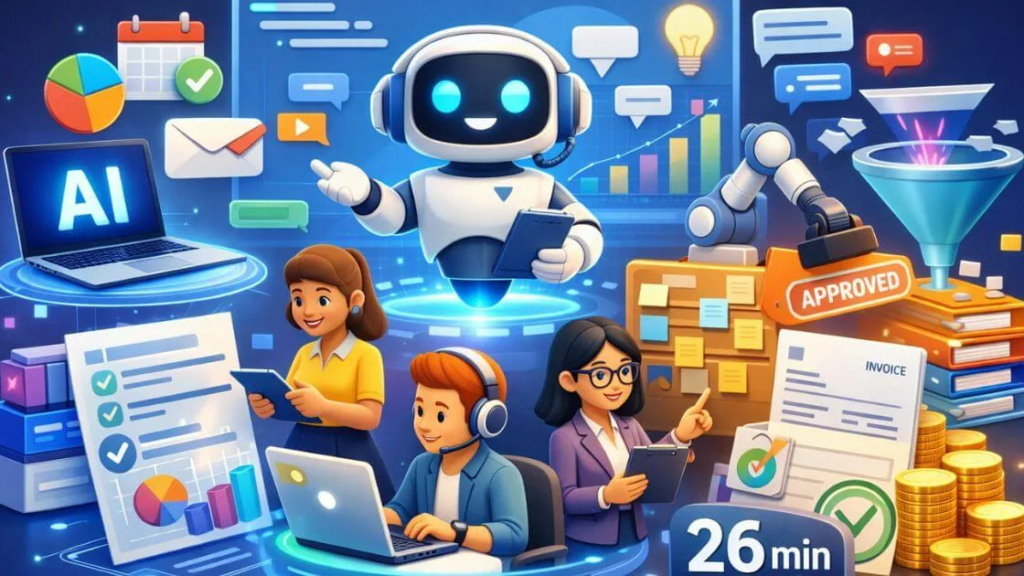
Professionals in almost every field are starting to find artificial intelligence to be a useful tool. Product managers, designers, engineers, marketing teams, and business executives are all figuring out how to integrate AI into their daily tasks.
Typical uses include the following:
arranging the research for a project.
coming up with original ideas.
assisting with advertising campaigns.
enhancing internal cooperation.
automating processes that are repetitious.
speeding up the creation of digital content.
These useful tools enable businesses to boost productivity while freeing up staff members’ time for strategic planning and innovation.
Conclusion
Organizations’ approaches to cooperation, productivity, and innovation are changing as a result of artificial intelligence. While linked systems like OpenArt MCP show how integrated workflows may streamline intricate creative processes, advanced models like MiniMax H3 highlight the increasing intelligence of contemporary AI. Together, these developments are assisting companies in creating more effective digital operations and opening up fresh avenues for creativity in a world that is becoming more and more AI-driven.