1.Artificial Intelligence introduction
Artificial Intelligence (AI) is a branch of computer science that focuses on creating machines and computer systems capable of performing tasks that normally require human intelligence. These tasks include learning, reasoning, problem-solving, understanding language, recognizing images, and making decisions.AI works by using data, algorithms, and computing power to analyze information, identify patterns, and improve its performance over time.
Types of Artificial Intelligence
General AI (Strong AI): A theoretical form of AI that can perform any intellectual task a human can do.
Super AI: A hypothetical AI that surpasses human intelligence in all areas.
Applications of AI
Healthcare (disease diagnosis, medical imaging)
Education (personalized learning)
Finance (fraud detection, algorithmic trading)
Transportation (self-driving cars)
Agriculture (crop monitoring)
Customer service (chatbots and virtual assistants)
Advantages of AI
Increases efficiency and productivity
Reduces human errors
Automates repetitive tasks
Provides 24/7 service
Helps analyze large amounts of data quickly
Disadvantages of AI
High development and maintenance costs
Potential job displacement
Privacy and security concerns
Dependence on technology
Ethical and bias-related issues
Accelerating AI in the Future (2026)
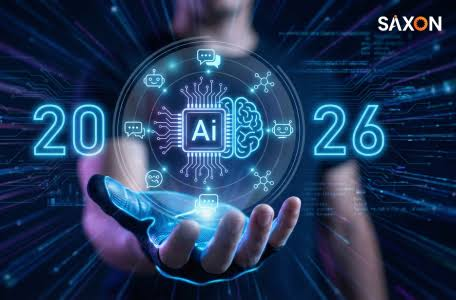
Artificial Intelligence (AI) is advancing rapidly in 2026, driven by improvements in computing power, data availability, and more capable AI models.
2.Key Trends Accelerating AI in 2026
Generative AI: AI systems can create high-quality text, images, audio, video, and software, supporting creativity and productivity.
AI Agents: Intelligent assistants can carry out multi-step tasks, automate workflows, and collaborate with people on complex projects.
Education: AI-powered learning platforms adapt lessons to each student’s needs and provide personalized tutoring.
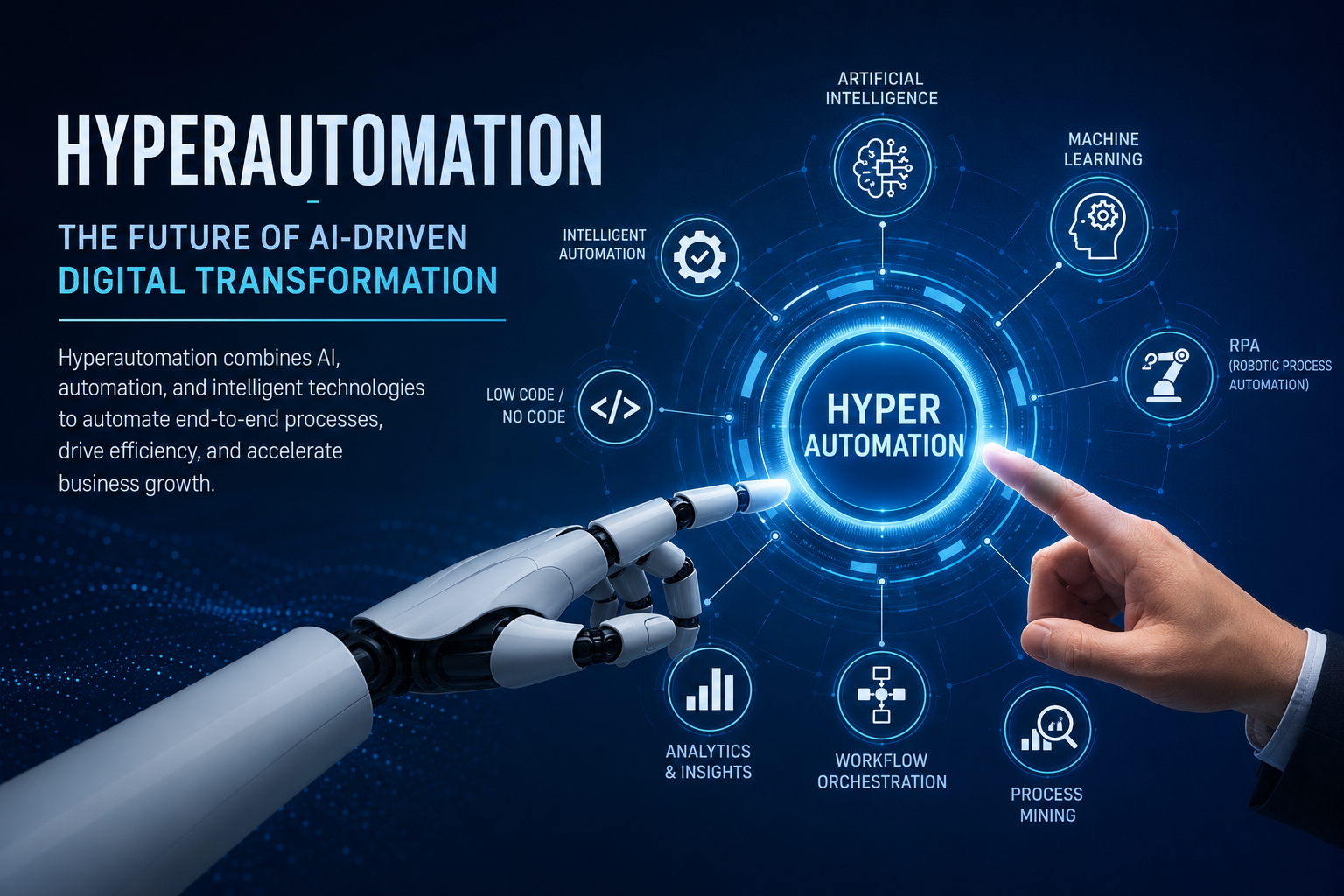
Business Automation: Organizations use AI to improve customer service, analyze data, streamline operations, and support decision-making.
Robotics: AI enables robots to work more effectively in manufacturing, agriculture, logistics, and healthcare.
Cybersecurity: AI helps identify threats, detect fraud, and respond to cyberattacks more quickly.
Challenges
Protecting privacy and securing data
Reducing bias and improving fairness
Ensuring transparency and accountability
Managing the impact of automation on jobs
Preventing misuse of AI technologies
3.Market Growth and Industry Statistics with Artificial Intelligence and Accelerating AI
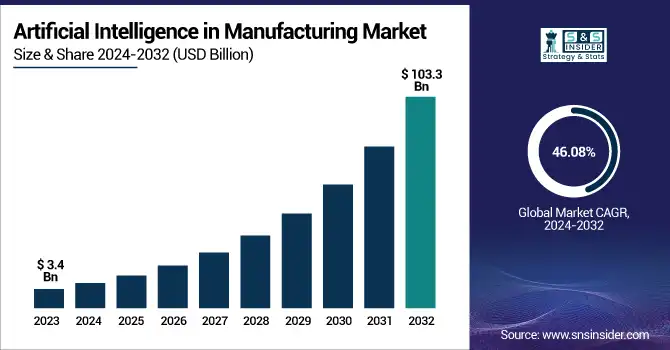
Artificial Intelligence (AI) has become one of the fastest-growing technology sectors in the world. The rapid adoption of generative AI, AI agents, automation, cloud computing, and advanced machine learning is driving significant investment across industries.
Generative AI Market Growth
The global generative AI market is projected to grow from US$161 billion in 2026 to approximately US$1.26 trillion by 2034, with a 29.3% compound annual growth rate (CAGR).
Industries Driving AI Growth
AI adoption is accelerating across many sectors:
Healthcare: Medical diagnosis, drug discovery, patient monitoring, and robotic surgery.
Finance: Fraud detection, automated trading, risk analysis, and customer support.
Manufacturing: Smart factories, predictive maintenance, and quality inspection.
Retail and E-commerce: Personalized recommendations, demand forecasting, and inventory management.
Education: AI tutors, adaptive learning systems, and automated grading.
Transportation: Autonomous vehicles, route optimization, and traffic management.
Agriculture: Precision farming, crop monitoring, and yield prediction.
Key Drivers of AI Acceleration
Increasing cloud computing capacity
Growth of AI-optimized chips and data centers
The rapid expansion of AI is supported by:
Widespread adoption of generative AI and AI agents
Rising enterprise investment in automation
Growing availability of large datasets
Advances in machine learning and deep learning algorithms
Conclusion
Artificial Intelligence is transforming the way people live and work by making systems smarter and more efficient. As technology continues to advance, AI is expected to play an even greater role in shaping the future.