Robotics Technology is a field of science and engineering that focuses on designing, developing, programming, and operating robots to perform different tasks automatically or with human assistance. Robotics combines several advanced technologies, including artificial intelligence (AI), machine learning, computer science, mechanical engineering, electronics, and sensors.
Today, robots are used in manufacturing, healthcare, agriculture, education, transportation, space exploration, and many other industries. The main purpose of robotics technology is to improve productivity, reduce human effort, increase accuracy, and perform tasks that may be difficult, dangerous, or repetitive for humans.
1# How Does Robotics Technology Work?
Robotics technology works through a combination of hardware and software that allows robots to understand their surroundings, process information, and perform specific actions.
Most robotic systems follow these basic steps:
- Input: Sensors collect information from the surrounding environment.
- Processing: A computer or controller analyzes the collected information.
- Decision-making: Software or AI determines what action should happen next.
- Movement: Motors and actuators perform the required physical action.
- Feedback: Sensors monitor the robot’s performance and help correct errors.
For example, an industrial robot can identify an object using a camera, calculate its position, pick it up, and place it in the correct location.
2# Types of Robotics Technology
There are several types of robotics technology, each designed for specific tasks and industries.
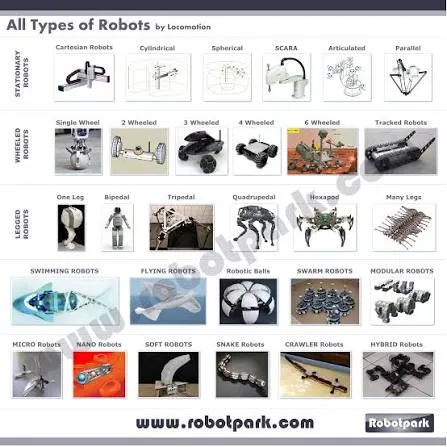
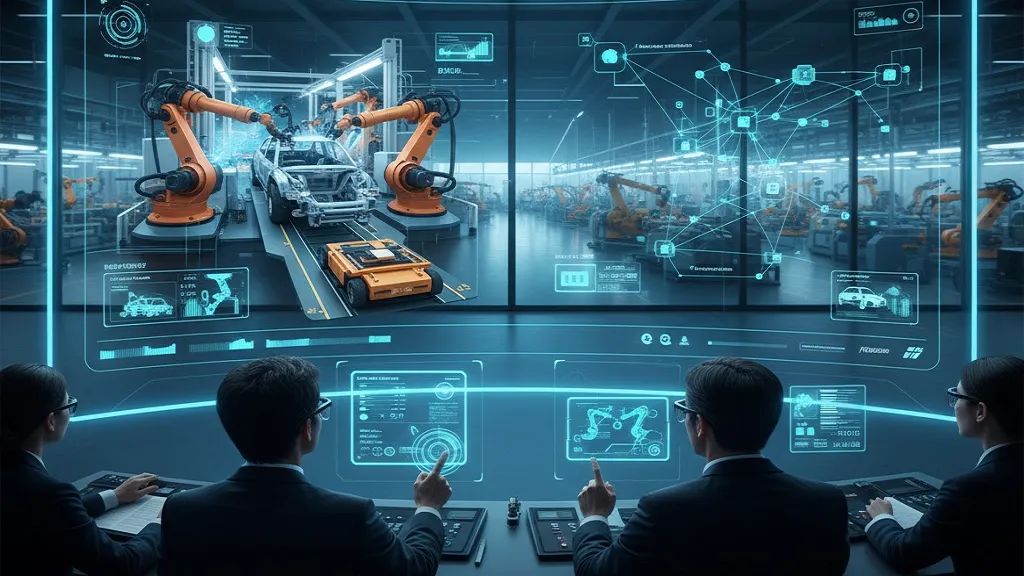
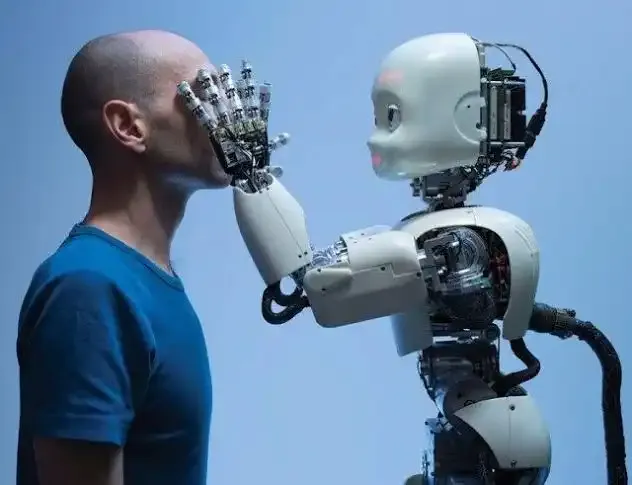
| 1. Industrial RoboticsThey perform repetitive and precision-based tasks, including welding, painting, assembling, packaging,and material handling. | 2. Humanoid RoboticsHumanoid robots are designed to resemble the human body. They can include a head, arms, legs, cameras, and sensors. These robots are being developed for customer service, research, education, assistance, and potentially some workplace tasks. |
| 3. Medical RoboticsMedical robotics helps healthcare.Professionals perform complex medical procedures with specialized robotics equipment.Applications include:· Robot-assisted surgery.· Rehabilitation systems.· Patient monitoring.· Medical imaging assistance.· Laboratory automation. | 4. Space Robotics Space robotics supports scientific research and exploration beyond Earth.Examples include robotic rovers, robotic arms, satellite servicing systems, and planetary exploration equipment. |
3# Key Components of Robotics Technology
Robots depend on different hardware and software components to operate effectively.
| Component | Main function |
| Actuators | Create movement and physical actions |
| Motors | Power robotic movement |
| Controllers | Manage robot operations |
| Cameras | Capture visual information |
4# Role of Artificial Intelligence in Robotics
Artificial intelligence is transforming robotics by making machines more capable of understanding information, recognizing objects, and adapting to changing environments.
AI-powered robotics can support:
- Computer vision: Helps robots recognize objects, people, and surroundings.
- Machine learning: Allows robots to improve performance through data and experience.
- Natural language processing: Helps robots understand human language.
- Predictive maintenance: Identifies possible equipment problems before failures occur.
- Autonomous navigation: Helps robots move through environments with limited human intervention.
- Intelligent decision-making: Supports selecting actions based on available information.
5# Applications of Robotics Technology in Different Industries
Robotics technology is changing how organizations operate across multiple industries.
HealthcareRobot-assisted surgical procedures.Rehabilitation and physical therapy.Hospital delivery systems.Automated laboratory testing. | ManufacturingAutomated assembly lines.Product inspection.Welding and painting.Packaging and sorting. |
TransportationAutonomous vehicle research.Warehouse transportation.Delivery robots.Automated logistics. | Defense and Public SafetyBomb disposal systems.Search-and-rescue robots.Hazardous environment inspection.Remote surveillance systems. |
6# Benefits of Robotics Technology
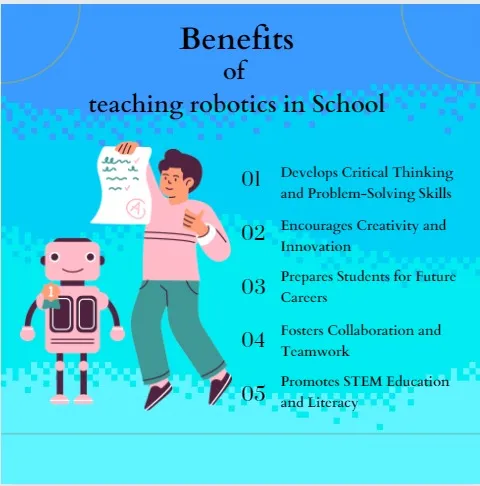
Robotics technology offers many advantages for businesses, industries, and individuals.
1. Increased Productivity: Robots can perform repetitive tasks continuously and help organizations increase production.
2. Improved Accuracy: Robotic systems can complete precision-based operations with consistent results.
3. Reduced Human Effort: Robots handle physically demanding and repetitive activities.
4. Enhanced Safety: Robots can work in dangerous environments where human exposure may be risky.
5. Cost Efficiency: Automation can reduce certain long-term operational expenses, although installation and maintenance require investment.
6. Better Quality Control: Robotic inspection systems can identify product defects and inconsistencies.
7. Faster Operations: Automated systems can improve production speed and workflow efficiency.
7# Challenges and Disadvantages of Robotics Technology
Despite its advantages, robotics technology also has several challenges.
- High Initial Investment: Developing and installing robotic systems can be expensive.
- Maintenance Costs: Robots require regular servicing, software updates, and repairs.
- Job Displacement: Automation can reduce demand for some repetitive roles.
- Technical Complexity: Designing and managing robots requires specialized knowledge.
- Cybersecurity Risks: Connected robotic systems may face hacking and data security threats.
- Limited Adaptability: Some robots struggle with unexpected situations.
- Power Requirements: Robots need reliable electricity or battery systems.
8# Robotics Technology vs. Artificial Intelligence
Although robotics and artificial intelligence are closely connected, they are not the same.
| Robotics Technology | Artificial Intelligence |
| Focuses on physical machines | Focuses on intelligent software and systems |
| Uses motors and mechanical components | Uses algorithms and computational models |
| Performs physical actions | Processes information and makes predictions |
| Used in factories and warehouses | Used in chatbots, analytics, and automation |
Important: Not every robot uses AI, and not every AI system requires a physical robot.
9# Latest Robotics Technology Trends in 2026
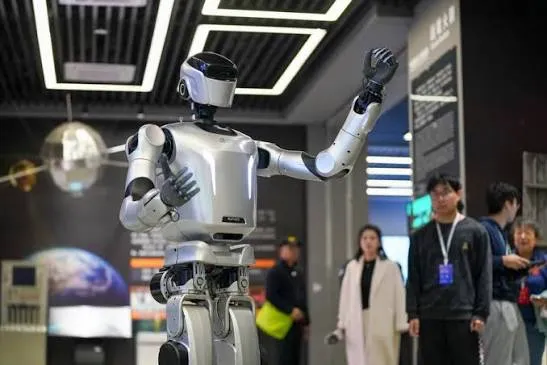
Robotics is evolving through improvements in AI, sensors, computing, and automation.
- AI-Powered Robots: Robots are becoming more capable of interpreting their surroundings and responding to complex tasks.
- Humanoid Robots: Human-shaped robots are being developed for industrial and service applications.
- Collaborative Robots: Cobots are designed to work alongside people in suitable, safety-controlled environments.
- Autonomous Robots: Robots are gaining improved navigation and independent task capabilities.
- Soft Robotics: Flexible robotic structures can handle delicate objects.
- Medical Automation: Robotics is expanding into surgical assistance and rehabilitation.
- Smart Manufacturing: AI and robotics are supporting connected production systems.
- Robotics as a Service (RaaS): Businesses can access robotic capabilities through subscription or service-based models.
10# Future of Robotics Technology
In the coming years, robots may become more useful in:
- Healthcare assistance and rehabilitation.
- Automated transportation and logistics.
- Smart homes and personal assistance.
- Advanced manufacturing.
- Disaster response and rescue operations.
- Space exploration.
- Precision agriculture.
- Industrial inspection and maintenance.
However, progress will depend on affordability, safety, reliability, regulation, and public acceptance.
11# Best Robotics Technology Examples
Some well-known robotics companies and organizations are helping advance the industry.
- Boston Dynamics
Known for advanced mobile and humanoid robotics research, including Atlas and Spot.
- ABB Robotics
Develops industrial robots and automation solutions.
- FANUC
Specializes in industrial robotics, CNC systems, and factory automation.
- Intuitive Surgical
Develops robotic-assisted surgical systems, including the da Vinci platform.
Conclusion
Robotics technology is transforming modern industries by combining mechanical engineering, electronics, computer science, and artificial intelligence. From manufacturing and healthcare to agriculture and space exploration, robots are helping organizations improve productivity, accuracy, and efficiency.
As technology continues to advance, intelligent robots and autonomous systems are likely to become increasingly important in everyday life and business operations. Learning about robotics today can open opportunities in engineering, programming, automation, and future technology development.
Frequently Asked Questions (FAQs)
Q1. What is robotics technology?
Robotics technology is the engineering field focused on designing, programming, and operating robots to perform automated or assisted tasks.
Q2. What are the five main types of robots?
Five common categories are industrial robots, humanoid robots, medical robots, mobile robots, and agricultural robots.
Q3. How does AI help robotics?
AI helps robots recognize objects, analyze information, understand commands, navigate environments, and make decisions.
Q4. What are the benefits of robotics technology?
Major benefits include improved productivity, accuracy, efficiency, workplace safety, and automation.
Q5. Which programming languages are used in robotics?
Python and C++ are widely used. Other options include Java and specialized programming environments.