Introduction
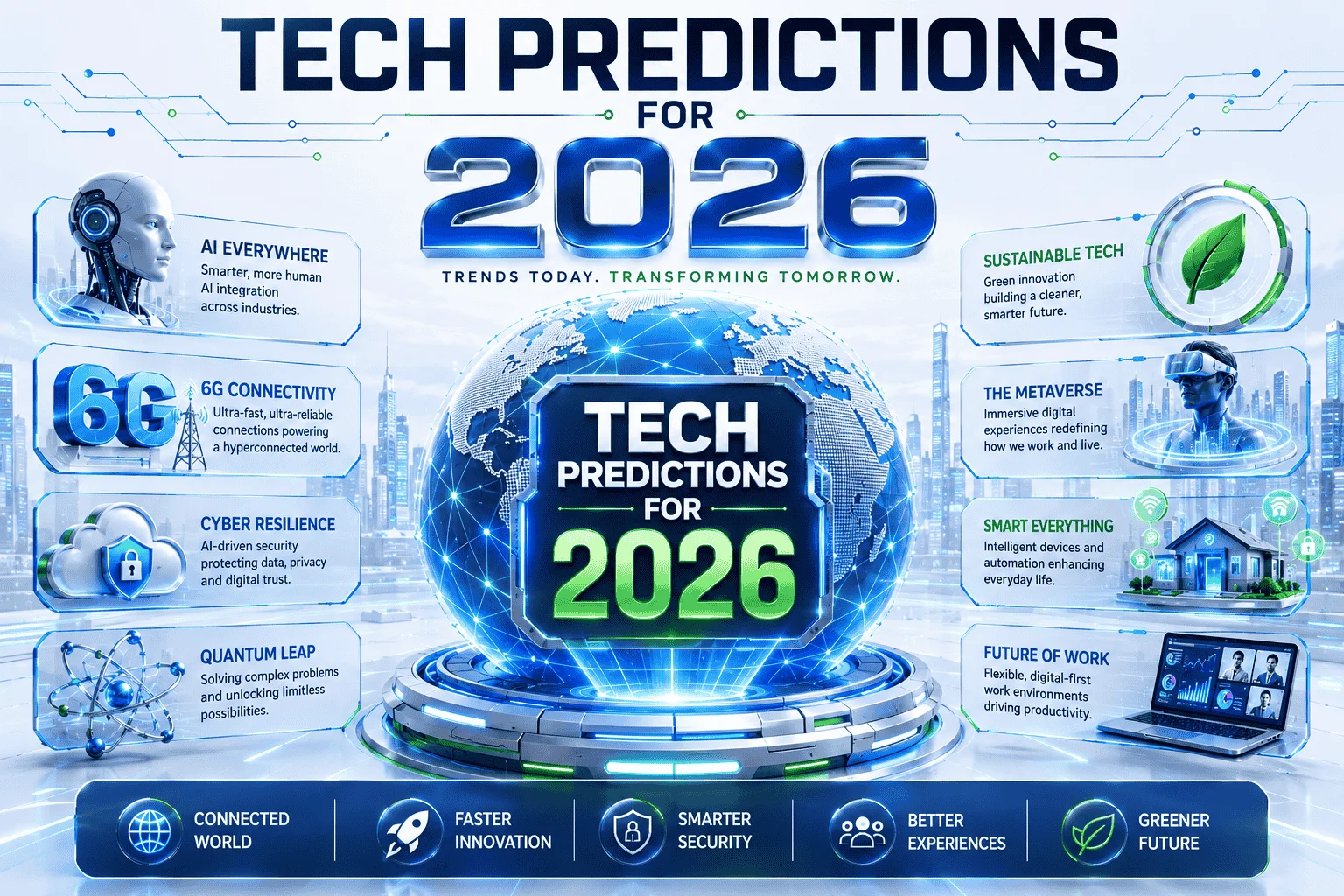
Tech convergence refers to the combination of different technologies to create smarter, faster and more connected solutions. In 2026, artificial intelligence (AI) is a major force behind this convergence, bringing together technologies such as cloud computing, robotics, the Internet of Things (IoT), cybersecurity, advanced data analytics, and automation. Instead of developing independently, these technologies increasingly work together. This creates new opportunities for businesses, consumers, healthcare, manufacturing, transportation, education, and many other industries.
What Is Tech Convergence?
Tech convergence happens when multiple technologies combine their capabilities to solve problems that one technology alone cannot handle efficiently.
For example:
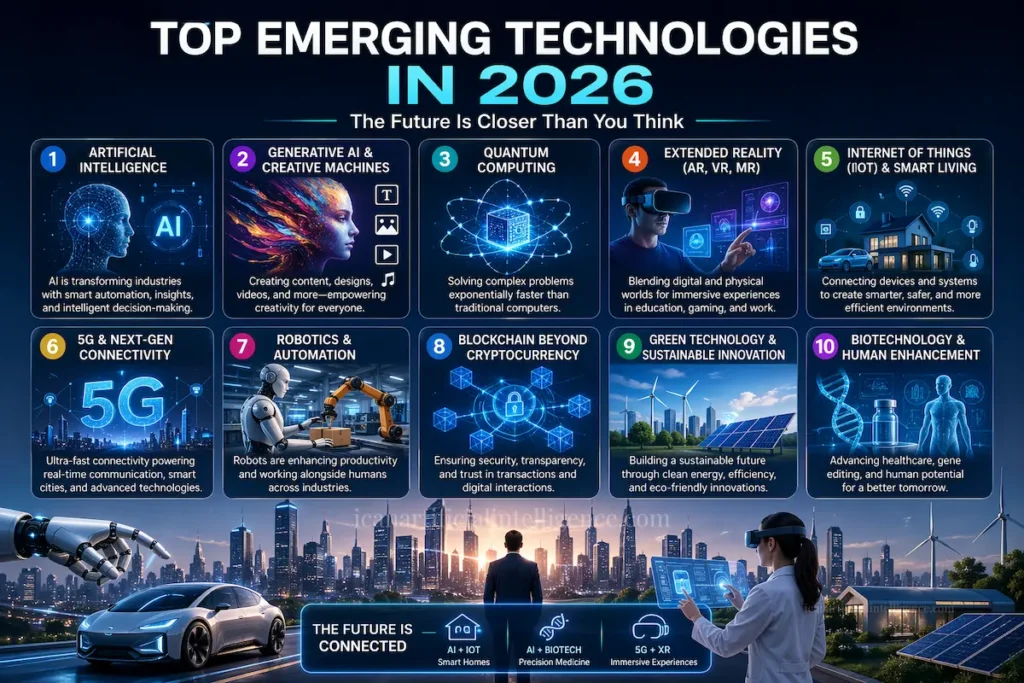
- AI + IoT can create intelligent connected devices.
- AI + Robotics can enable autonomous machines.
- AI + Cloud Computing can provide scalable intelligent applications.
- AI + Big Data can improve prediction and decision-making.
- AI + Cybersecurity can detect suspicious activity more quickly.
- AI + 5G/6G can support faster connected applications.
The result is an ecosystem where technologies communicate, share data and work together.
AI as the Core of Tech Convergence
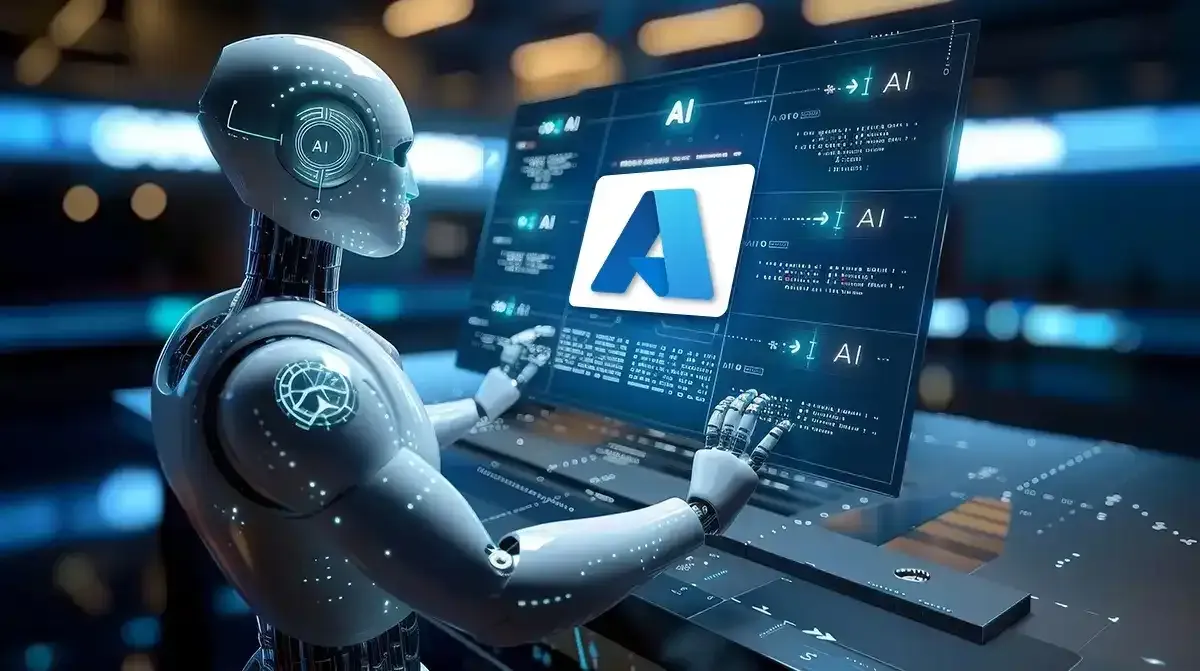
AI plays a central role because it can analyze large amounts of information, recognize patterns, generate content, make predictions and automate decisions. In 2026, AI convergence is increasingly moving beyond chatbots and standalone applications. AI is becoming embedded into software, devices, industrial systems, vehicles, business processes and intelligent infrastructure.
Key AI technologies driving convergence
- Generative AI Creates text, images, software, audio and other content.
- Machine Learning identifies patterns and makes predictions from data.
- Computer Vision Allows machines to interpret visual information.
- Natural Language Processing Helps computers understand and generate human language.
- AI Agents Can perform multi-step tasks using software and connected tools.
- Edge AI Processes information closer to where data is generated.
Major Areas of Tech Convergence in 2026
1. AI and IoT
Connected sensors and devices can collect enormous amounts of data. AI can analyze that information and turn it into useful actions.
Examples include smart factories, connected buildings, intelligent agriculture and predictive maintenance.
2. AI and Robotics
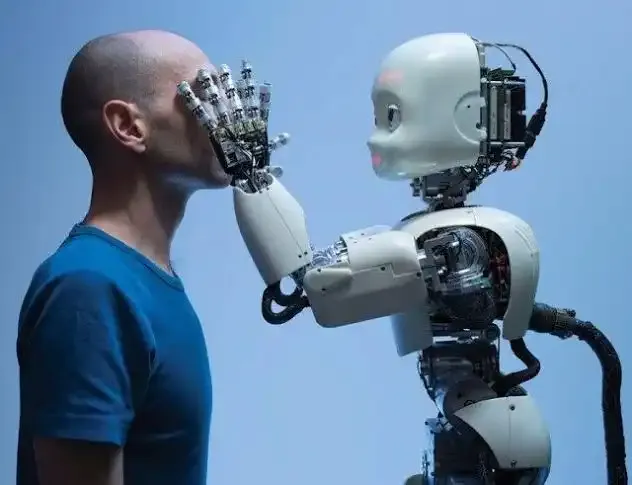
Combining AI with robotics is helping machines understand environments and perform increasingly complex tasks.
Applications include:
- Warehouse automation
- Industrial robots
- Autonomous systems
- Healthcare robotics
- Agricultural robots
- Service robots
3. AI and Cloud Computing
Cloud platforms provide the computing resources required to train and operate sophisticated AI systems. AI, in turn can make cloud environments more intelligent through automation, optimization and analytics. This combination allows businesses to deploy AI without building every computing resource themselves.
4. AI and Edge Computing
Not every AI application needs to send data to a distant cloud server. Edge AI processes information locally on devices or nearby computing systems.
This can be particularly useful for:
- Autonomous vehicles
- Security cameras
- Industrial equipment
- Wearable devices
- Smart appliances
Lower latency can make real-time applications more practical.
5. AI and Cybersecurity
Cybersecurity is another important area of convergence. AI can analyze network behavior, identify unusual activity, prioritize alerts and support security teams. At the same time, organizations must protect AI systems themselves from attacks, manipulation, data leakage and unauthorized access.
6. AI and Healthcare
AI convergence is transforming healthcare by combining intelligent software with medical imaging, wearable devices, electronic records, diagnostics and data analytics.
Potential applications include:
- Medical image analysis
- Patient monitoring
- Drug discovery
- Personalized treatment support
- Administrative automation
- Predictive healthcare analytics
Human medical expertise remains essential, particularly for high-stakes decisions.
7. AI and Smart Transportation
Transportation is increasingly combining AI with sensors, connectivity, mapping, computer vision and automation.
This can support:
- Driver assistance systems
- Traffic management
- Fleet optimization
- Predictive vehicle maintenance
- Smart logistics
- Autonomous transportation research
8. AI and Manufacturing
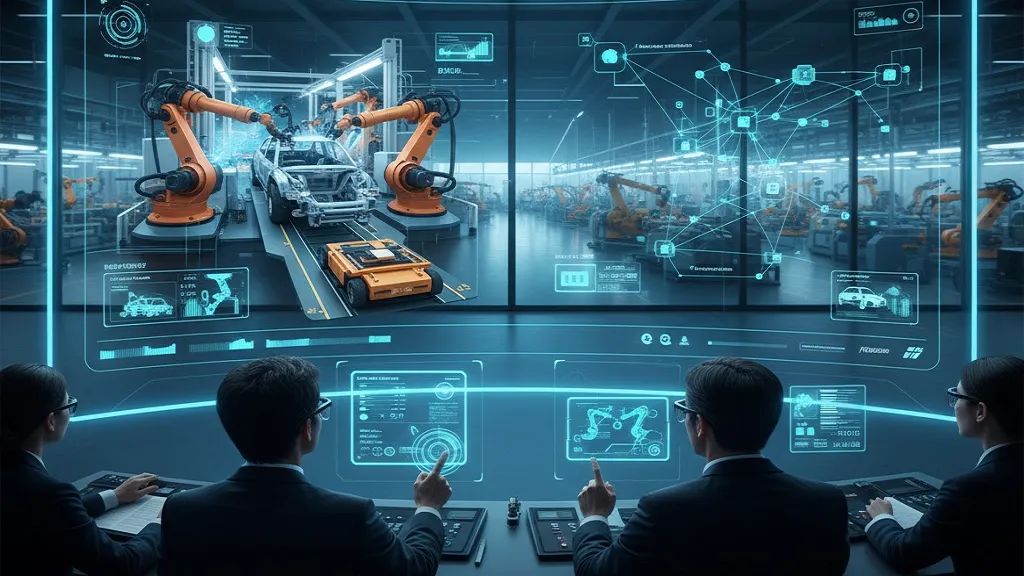
Modern factories are becoming increasingly connected. Sensors collect operational data while AI analyzes production processes. Businesses can use this convergence for predictive maintenance, quality control, inventory management, energy optimization, and production planning.
Benefits of Tech Convergence
Greater Efficiency
Integrated technologies can automate repetitive processes and reduce manual work.
Better Decision-Making
AI can transform large datasets into predictions, recommendations and actionable insights.
Faster Innovation
Companies can combine existing technologies to develop new products and services more quickly.
Personalization
AI can use data to create more personalized experiences in areas such as shopping, entertainment, education and digital services.
Improved Automation
Combining AI with robotics, IoT and cloud systems can enable sophisticated automated workflows.
New Business Opportunities
Tech convergence creates opportunities for startups and established companies to develop new products, platforms and services.
Disadvantages and Challenges
Tech convergence also creates important challenges.
Privacy Concerns
Connected systems can collect large quantities of personal and operational data. Organizations must protect that information appropriately.
Cybersecurity Risks
More connected technologies can create more potential entry points for cyberattacks.
High Implementation Costs
Building integrated technology infrastructure can require significant investment in hardware, software, talent and security.
Skills Gap
Companies need employees who understand AI as well as cloud computing, data, cybersecurity, networking and automation.
AI Reliability
AI systems can produce inaccurate or biased results. Human oversight and appropriate testing remain important.
Complexity
When several technologies are interconnected, failures in one system can potentially affect other systems.
The Future of Tech Convergence
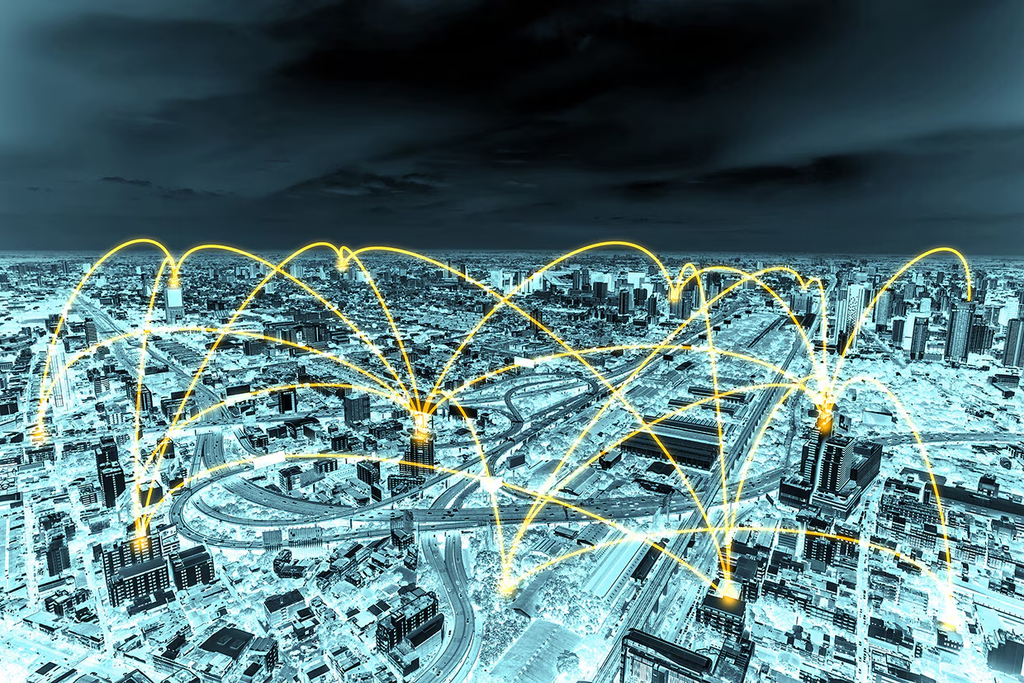
The future is likely to involve increasingly integrated technology ecosystems rather than isolated tools.
AI could increasingly function as an intelligence layer connecting:
Data → Cloud → Edge → AI → Devices → Humans
This could lead to smarter factories, connected cities, intelligent vehicles, personalized digital services and more autonomous business processes.
Why Tech Convergence Matters in 2026
The importance of tech convergence is not simply that individual technologies are becoming more advanced. The bigger change is that different technologies are becoming more useful when they work together. AI provides intelligence, IoT provides data, cloud computing provides scalable infrastructure, edge computing provides speed, robotics provides physical action and cybersecurity provides protection. Together, they can create technology systems that are more capable than their individual components.
Conclusion
Tech Convergence AI and Innovation in 2026 represents a major shift toward interconnected digital ecosystems. AI is increasingly connecting technologies such as IoT, robotics, cloud computing, edge computing, cybersecurity and advanced analytics. For businesses and organizations, understanding this convergence can help identify new opportunities for automation, efficiency, innovation and better decision making. At the same time privacy, security, reliability, cost and responsible AI practices must remain central to successful implementation.
In short, The future of technology is not just about smarter individual tools. It is about how intelligently those tools work together.