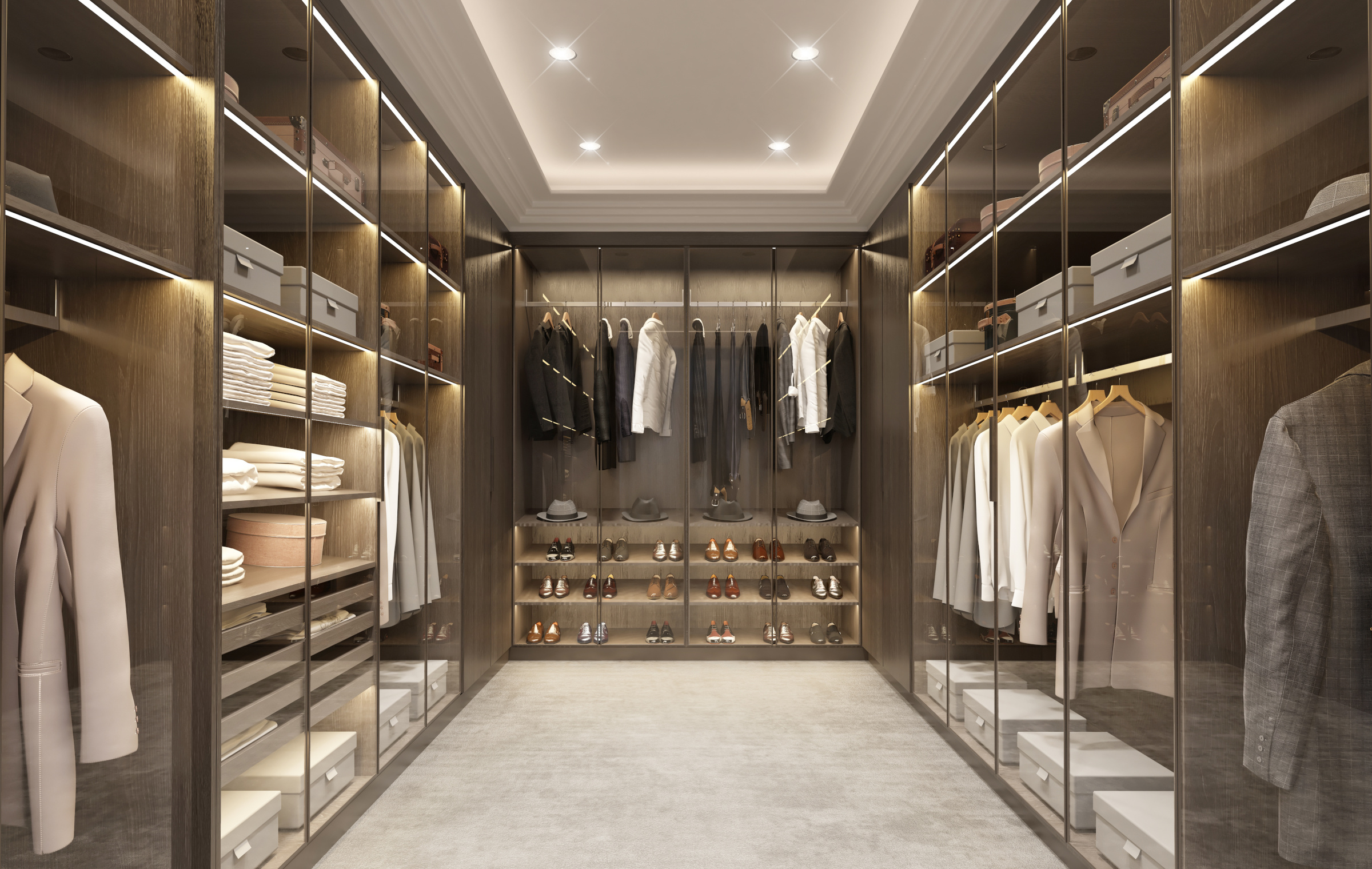
Dressing rooms are unique because they are shaped by one of our most personal daily rituals: getting ready. Whether it takes five minutes to wash your face and pull your hair back or two hours of carefully applying makeup, styling your hair, and choosing the perfect accessories, every person has a routine that reflects their lifestyle and personality. A dressing room is more than just a place to store clothes—it is a space designed to support these individual habits and make the process of preparing for the day or a special occasion both comfortable and enjoyable.
Because the act of dressing—what we might call the toilette routine—is such an intimate part of everyday life, it feels fitting to begin this Design Glossary entry with a glimpse into my own experiences with dressing rooms and the routines they have shaped. Personal history provides context for why these spaces matter beyond their practical function. From there, I will explore what defines a dressing room, trace its historical evolution, and examine the many ways a thoughtfully designed dressing room can enhance both the functionality and luxury of the home.
1. My Personal History with Dressing Rooms and the Toilet Routine
Dressing rooms do not play a major role in this stage of my life. Although my bedroom features a charming 1970s-style built-in vanity intended to serve as a dressing space, I rarely use it for that purpose. Instead, it has become my creative workstation—a place where I spread out fabric samples, sketch the latest design idea that comes to mind, or jot down notes for a project.
Although she did not spend much time on an elaborate toilette routine each day, she knew exactly how to transform herself when the occasion called for it. I vividly remember the parties she hosted when I was young. She would dress herself, my sister, and me in elegant party clothes before completing her own look. Inspired by Elizabeth Taylor, she often wore dramatic cat-eye glasses, a colorful turban, and a flowing tunic caftan. To me, she looked every bit like a queen. Even then, however, comfort always outweighed appearances in her priorities. Today, I find myself following her example. I still choose comfort first, but I can certainly enjoy dressing up for the occasional celebration.
My father, who passed away when I was twelve years old, approached getting ready very differently. He worked in real estate after retiring as an Air Force colonel, and he carried the discipline and precision of military life into his civilian routine. Every morning, he dressed in pressed button-down shirts, tailored slacks, polished dress shoes, a sport coat or suit jacket, and a clip-on tie.
One of my favorite childhood memories was helping him choose that tie each morning. The combinations I suggested rarely matched his outfit, but he wore them anyway with a smile. Looking back, I realize the tie probably mattered less to him than the ritual we shared.
I would stand on the closed toilet seat in the bathroom and watch him shave, apply aftershave, and smooth hair gel through his neatly cropped military haircut. It seemed almost ceremonial. Today, those ordinary moments remain some of my most comforting memories of him.
Reflecting on my parents, it is clear that our professions, values, personalities, and family traditions all shape the way we prepare ourselves each day. Some of us embrace an elaborate toilette routine, while others prefer a simple, practical approach. Yet we all participate in the universal ritual of getting ready. These everyday routines provide comfort, establish confidence, and quietly prepare us for whatever the day may bring.
That is where the dressing room enters the story. Whether it is an expansive walk-in suite or a modest corner with a mirror and vanity, the dressing room exists to support one of the most personal rituals we perform every day. Understanding that relationship between routine and space is the key to understanding why dressing rooms have remained an enduring feature of residential design.
2. What are dressing rooms?
Well, they are rooms for dressing, of course!
Typically located adjacent to a bedroom, walk-in closet, or en suite bathroom, it provides a dedicated place to change clothes, apply makeup, style hair, accessorize, and take one last look in the mirror before beginning the day.
Because every person’s toilette routine is different, no two dressing rooms should be exactly alike. Some people require little more than a mirror and a place to store their clothing, while others benefit from a spacious vanity, specialized lighting, extensive cosmetic storage, or seating for carefully selecting accessories.
3. A Brief History of Dressing Rooms in Interior Design
The dressing room as we know it began to emerge in eighteenth-century France among the aristocracy, where the daily toilette was both a private ritual and a public performance. Members of the nobility often received visitors while preparing for the day, turning the act of dressing into an opportunity to display wealth, fashion, and status.
It is easy to picture Marie Antoinette reclining on a chaise longue while attendants styled her elaborate hair, arranged her clothing, and assisted with her toilette as she conversed with members of the court. While the image has become somewhat romanticized, it illustrates an important point: for the French elite, the dressing room was as much a reception space as it was a place for personal preparation. One could even conduct business, receive guests, and enjoy breakfast while completing the morning ritual. Who wouldn’t enjoy working from bed every now and then?
Because the toilette of royalty and the nobility included both private and ceremonial elements, grand residences often contained multiple dressing spaces.
Throughout the Rococo, Baroque, Regency, and Victorian periods, it was also customary for members of the upper classes to change clothing several times a day to suit different activities and social occasions. Morning dress, afternoon attire, evening wear, and formal court dress each required time and careful preparation. As a result, the dressing room became an important extension of the bedchamber—a place where fashion, etiquette, and daily life intersected.
Today, dressing rooms are far more private, yet they remain one of the home’s most luxurious and desirable features. Interestingly, they still function as a kind of stage, albeit for a different audience. Just as Marie Antoinette displayed the latest fashions before her court, modern beauty influencers, fashion bloggers, and content creators often share their makeup routines, outfit selections, and styling rituals from beautifully designed dressing rooms and vanities. The audience has shifted from palace courtiers to social media followers, but the desire to present oneself remains remarkably similar.
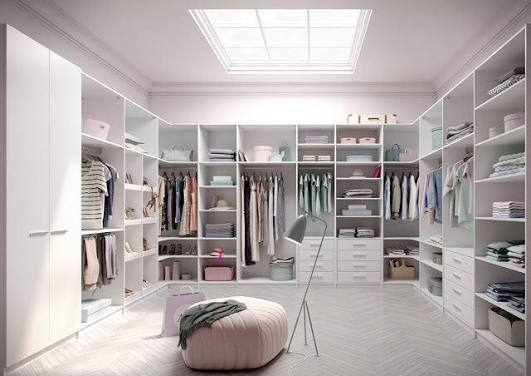
Modern dressing rooms are typically located adjacent to the primary bedroom, walk-in closet, or en suite bathroom. They may occupy an entire room or take the form of a dedicated alcove or dressing nook within a larger space. Regardless of size, most dressing rooms share several essential elements: a vanity with ample lighting, clothing and accessory storage, a full-length mirror, comfortable seating, and sufficient space to dress comfortably. Together, these features create a functional environment that supports one of our most personal daily rituals.
4. Toilet Routines and How to Design Around Them
No two toilette routines are exactly alike, which is why no two dressing rooms should be either. A well-designed dressing room begins not with selecting cabinetry or choosing a paint color, but with understanding the habits of the person who will use it. Interior designers should first ask, “How does the client prepare for the day?” The answer to that question informs every design decision that follows.
Some people require only a few minutes each morning. For these individuals, a simple vanity, a well-lit mirror, and efficient clothing storage may be all that is needed.
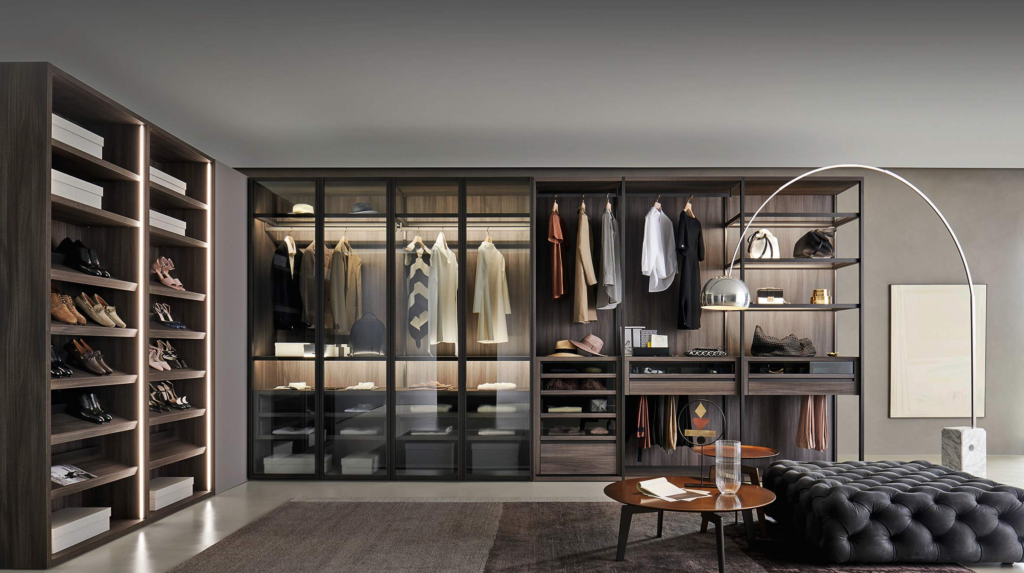
Others enjoy a slower, more deliberate ritual. They may spend time applying makeup, styling their hair, selecting jewelry, coordinating accessories, or planning outfits for the week. These clients often benefit from expansive countertop space, specialized cosmetic storage, dedicated jewelry drawers, magnifying mirrors, comfortable seating, and layered lighting that supports detailed grooming tasks.
The routine itself also influences the room’s organization. Someone with an extensive shoe collection will need different storage solutions than someone who prioritizes handbags or watches. A client who steams clothing each morning may require space for a garment steamer and hanging area, while another who frequently dresses for formal events may appreciate a three-way mirror and additional room to lay out clothing options.
Lighting deserves particular attention because it has a direct impact on how colors, textures, and makeup appear. Whenever possible, dressing rooms should incorporate abundant natural daylight, supplemented by high-quality artificial lighting that evenly illuminates the face without creating harsh shadows. Well-placed task lighting around the vanity is just as important as ambient lighting throughout the room.
Conclusion
Comfort should never be overlooked. Since many people spend a considerable amount of time getting ready, comfortable seating, pleasant temperatures, and thoughtfully placed storage contribute to a more enjoyable experience. Small luxuries—a beautiful mirror, fresh flowers, soft textiles, or a favorite fragrance—can transform a functional room into a personal retreat.
Ultimately, the best dressing rooms are not defined by their size or extravagance but by how well they support the daily rituals of the people who use them. When designers begin with the client’s toilette routine rather than a predetermined layout, they create spaces that feel intuitive, personal, and effortlessly functional.