What Is a Smart BCR Machine with AI?
A Smart BCR Machine with AI is an intelligent Barcode/Code Reader (BCR) system that uses artificial intelligence to scan, recognize, interpret, and process barcodes or other machine-readable codes more efficiently. Unlike a basic barcode scanner, an AI-powered BCR can use computer vision and machine-learning techniques to handle different code types, poor-quality images, unusual angles, damaged labels, and changing environments.
Key Features
- AI image recognition – identifies codes quickly from camera images.
- Smart error handling – can improve recognition when barcodes are blurry, damaged, or poorly positioned.
- Fast data processing – sends scanned information directly to inventory, retail, warehouse, or production systems.
- Multiple code support – can recognize common 1D and 2D codes, depending on the machine.
- Automated inspection – can help detect incorrect or missing labels.
- Real-time monitoring – supports faster tracking and decision-making.
Why It Matters
A Smart BCR Machine with AI combines barcode scanning + computer vision + intelligent data processing. This can reduce manual scanning work, improve accuracy, and make operations more automated.
In simple words
A traditional BCR reads a code, while a smart AI BCR can read, understand, verify, and act on the information.
How Does a Smart BCR Machine with AI Work in 2026?
A Smart BCR Machine with AI combines barcode scanning, cameras, computer vision, and AI software to automatically recognize and process product or identification codes.
1. Captures the Code
The machine uses a camera or optical scanner to capture a barcode, QR code, or other machine-readable code.
2. AI Analyzes the Image
AI-based computer vision examines the captured image and identifies the code, even when it is at an angle or has minor visual defects.
3.Reads and Decodes
The BCR software converts the visual pattern into digital information, such as a product number, serial number, or tracking ID.
4. Verifies the Information
AI can compare the scanned information with stored data to identify mismatched, missing, or potentially incorrect labels.
5. Sends Data Automatically
The decoded information can be transferred to systems such as inventory management, warehouse management, point-of-sale, or manufacturing software.
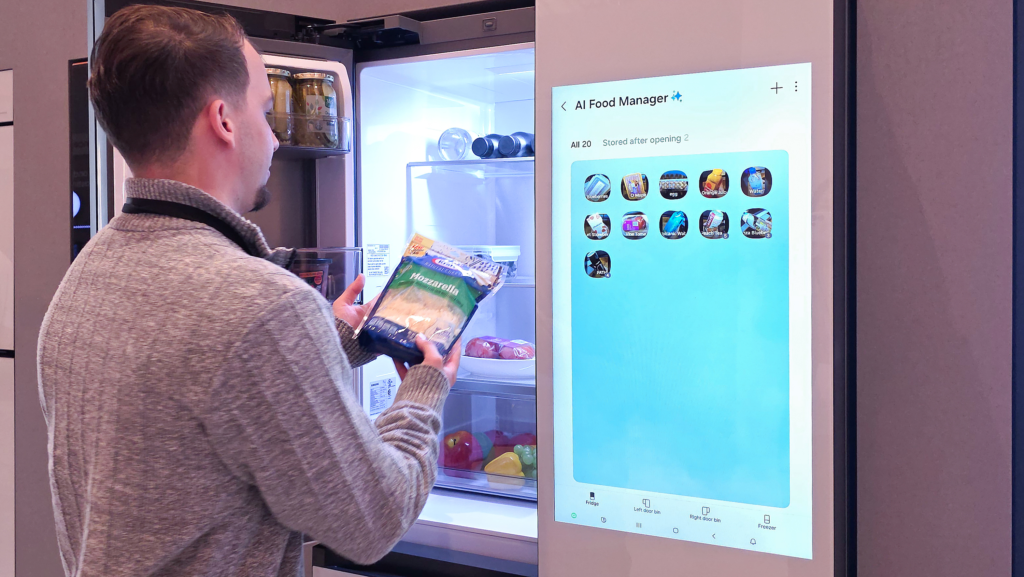
6. Learns From Operations
More advanced systems can use machine-learning techniques to improve recognition and adapt to different lighting, packaging, positioning, and scanning conditions.
Simple Workflow
Barcode → Camera → AI Vision → Code Recognition → Verification → Database → Automated Action
Benefits in 2026
- Faster barcode recognition
- Less manual data entry
- Better automation
- Improved inspection accuracy
- Real-time inventory tracking
- Easier handling of difficult or damaged codes
In short
A Smart BCR Machine with AI doesn’t just scan a barcode—it combines vision, AI recognition, verification, and automated data processing to make barcode-based operations smarter and faster.
Advantages and Disadvantages of Smart BCR Machine with AI
Advantages
- Faster Scanning – AI can recognize barcodes quickly, improving workflow speed.
- Higher Accuracy – Computer vision can help reduce scanning and data-entry errors.
- Automation – Automatically captures and transfers barcode information to connected systems.
- Damaged Code Recognition – Advanced vision systems may recognize codes that are partially damaged or poorly positioned.
- Real-Time Tracking – Useful for monitoring products, inventory, packages, and equipment.
- Less Manual Work – Reduces repetitive barcode-entry tasks for employees.
- Better Quality Control – AI can help identify incorrect, missing, or mismatched labels.
- Scalable Technology – Can be integrated into warehouses, factories, retail environments, and logistics systems.
Disadvantages
- Higher Initial Cost – AI cameras, software, and integration can cost more than conventional barcode readers.
- Maintenance Requirements – Cameras, scanners, and AI software require regular maintenance and updates.
- Integration Challenges – Connecting the BCR with existing business systems may require technical expertise.
- Lighting and Environment Issues – Poor lighting, reflections, dust, or obstructed labels can affect camera-based recognition.
- AI Errors – AI systems can still misread unusual or extremely damaged codes.
- Training Requirements – Employees may need training to operate and troubleshoot the system.
- Data and Security Concerns – Connected systems need appropriate cybersecurity and access controls.
- Dependence on Technology – Hardware or software failures can temporarily interrupt automated operations.
Bottom Line
A Smart BCR Machine with AI can deliver faster scanning, greater automation, and improved data accuracy, but organizations need to consider cost, maintenance, integration, and reliability before adopting it.
Conclusion:
The Smart BCR Machine with AI represents a major step toward smarter barcode scanning and automated data processing. By combining AI, computer vision, and barcode recognition, it can improve scanning speed, accuracy, inventory tracking, and quality control. Although the technology may involve higher costs, maintenance, and integration challenges, its benefits can make it valuable for retail, warehouses, manufacturing, logistics, and other automated environments.
Overall,
Smart BCR technology with AI can make barcode operations faster, more accurate, and more intelligent in 2026 and beyond.