











debt forgiven Having $28,000 of credit-card may sound like a major financial win, but debt cancellation can create an unexpected tax issue.
What Happens When $28K Is Forgiven?
If a credit-card company agrees to cancel $28,000 that you legally owed, the canceled amount may become cancellation-of-debt (COD) income. For example, if you owed $40,000 and settled for $12,000, the $28,000 difference could generally be taxable income.
The IRS Form 1099-C
The creditor may issue Form 1099-C, Cancellation of Debt, reporting the canceled amount to both you and the IRS. For canceled debt of $600 or more, applicable financial institutions generally have reporting obligations.
Importantly
Receiving—or not receiving—a 1099-C does not by itself determine whether the income is taxable. The tax treatment depends on the circumstances.
Could the $28K Be Tax-Free?
Potentially. One important exclusion is insolvency. If, immediately before the debt was canceled, your total liabilities exceeded the fair market value of your assets, you may be able to exclude some or all of the canceled debt from taxable income. Bankruptcy can also provide an exclusion.
Example
$28,000 forgiven → $28,000 potentially taxable
But if you qualify for an exclusion → some or all may be excludedThe IRS generally requires Form 982 when claiming certain exclusions, including bankruptcy or insolvency.
Why Medicare Premiums Can Matter
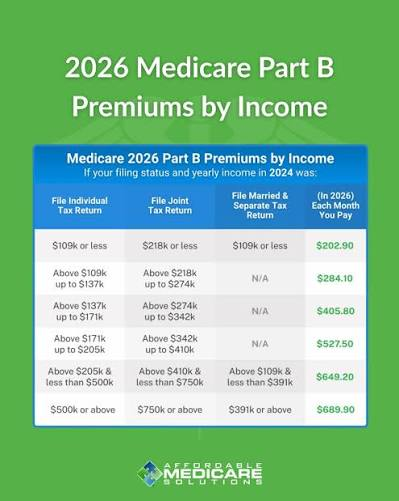
For Medicare beneficiaries, additional taxable income can potentially affect income-related Medicare premiums (IRMAA). Therefore, a large one-time increase in income can have consequences beyond the federal income-tax bill.This is why the headline “$28K Debt Forgiven: AI Tax Alert” captures an important financial lesson: debt relief can have second-order tax and benefits consequences.
AI’s Role in Understanding Debt Relief
AI tools can help explain concepts such as:
- Form 1099-C
- Cancellation-of-debt income
- Insolvency calculations
- Form 982
- Potential Medicare-income implications
- Questions to ask a tax professional
However, AI should not replace a qualified tax or Medicare professional, especially when a large amount of debt has been forgiven.
Bottom line
$28,000 of forgiven credit-card debt does not automatically mean you owe tax on the entire $28,000. Your individual circumstances—particularly insolvency, bankruptcy, and the nature of the cancellation—can change the result.
What Is “$28K Debt Forgiven AI Tax Alert”?
“$28K Debt Forgiven AI Tax Alert” describes a situation where a credit-card company forgives $28,000 of debt, but the borrower may face an unexpected tax consequence.
Under U.S. tax rules, canceled or forgiven debt is generally treated as taxable
income
unless an exception or exclusion applies. A creditor may report the canceled amount to the borrower and the IRS using Form 1099-C.
Example
$28,000 credit-card debt forgiven → potentially $28,000 of cancellation-of-debt income.
That does not automatically mean the person owes tax on the entire $28,000. Important exclusions can apply, particularly when the person was insolvent immediately before the cancellation or when the debt was discharged through qualifying bankruptcy.
Why Medicare Can Be Affected
If the forgiven debt is taxable, it can increase the person’s adjusted gross income (AGI). Medicare uses a modified adjusted gross income calculation to determine whether the Income-Related Monthly Adjustment Amount (IRMAA) applies to Part B and Part D premiums.
So the basic chain is
Debt forgiveness → possible taxable income → higher MAGI → potentially higher Medicare premiums
The “AI Tax Alert” part of the title refers to using AI to help explain this complicated connection between debt forgiveness, IRS rules, Form 1099-C, and Medicare premiums. AI can help organize information, but individual tax situations should be verified with the IRS guidance or a qualified tax professional.
In simple terms
$28,000 of debt relief can be financially valuable, but it may create an unexpected tax—and potentially Medicare premium—impact depending on the person’s circumstances
Benefits of $28K Debt Forgiven AI Tax Alert

Understanding the tax impact of $28,000 in forgiven credit-card debt can help people avoid an unexpected financial surprise. The IRS generally considers canceled debt taxable income, although important exceptions and exclusions may apply.
Key Benefits
- Better tax awareness: AI can help explain how cancellation-of-debt income works and why forgiven debt may appear on a tax return.
- Understand Form 1099-C: Creditors generally use Form 1099-C to report qualifying canceled debt to the taxpayer and IRS.
- Identify possible exclusions: Bankruptcy and insolvency are among the major circumstances that can allow some or all canceled debt to be excluded from income.
- Prepare for Medicare effects: If taxable debt forgiveness increases modified adjusted gross income, it can potentially affect income-related Medicare premiums because Medicare uses income from a prior tax year when determining certain surcharges.
- Improve financial planning: Knowing about potential taxes and premium changes can help someone budget for the consequences of debt relief.
- Ask better questions: AI can help organize questions for a tax professional, such as whether insolvency applies and whether Form 982 may be required.
Important Takeaway
The biggest benefit of an AI Tax Alert is understanding that $28,000 forgiven does not necessarily mean $28,000 of tax is owed. The actual result depends on the person’s circumstances and whether an exception or exclusion applies. AI can explain the rules and help organize information, but a qualified tax professional should review an individual’s actual debt-forgiveness situation before filing.
Conclusion:
Having $28,000 of credit-card debt forgiven can provide major financial relief, but it may also create an unexpected tax obligation. The IRS generally considers canceled debt taxable income unless an exception or exclusion applies, including certain bankruptcy and insolvency situations.
The key lesson is simple
Debt forgiveness is not always completely tax-free. Reviewing Form 1099-C, checking whether an exclusion applies, and properly reporting the result can help prevent costly mistakes. AI can make these rules easier to understand, helping people identify important questions and organize their financial information. However, individual tax situations can be complicated, so professional tax advice is appropriate when a large amount of debt is forgiven.
Bottom line
$28K of forgiven debt can be a fresh financial start—but understanding the tax consequences before celebrating the savings is essential.